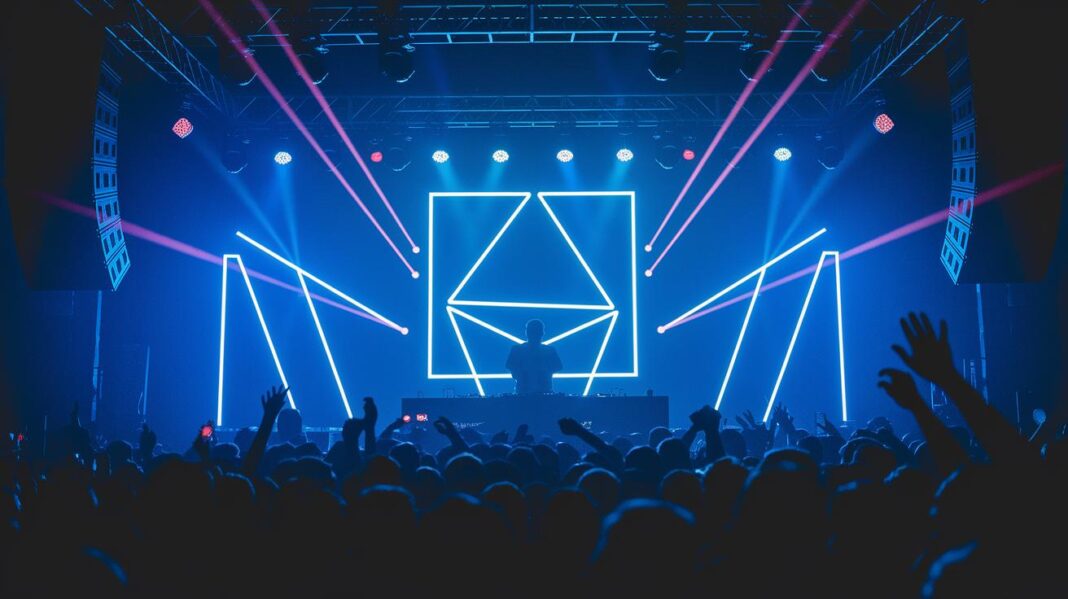
Have you ever felt that your screen offers more than just a quick look? Sometimes, when you click around a website, it feels like stepping onto a tiny stage where little surprises wait to pull you in.
Today, digital experiences are changing the game. Each scroll can feel like a mini-event, like the gentle buzz before your favorite song starts playing. It makes browsing feel exciting and alive.
This fresh approach shows that when online content really grabs your attention, it builds real connections. Every click turns into an experience that brings you closer to the brand, making every moment count.
How interactive digital experiences boost user engagement
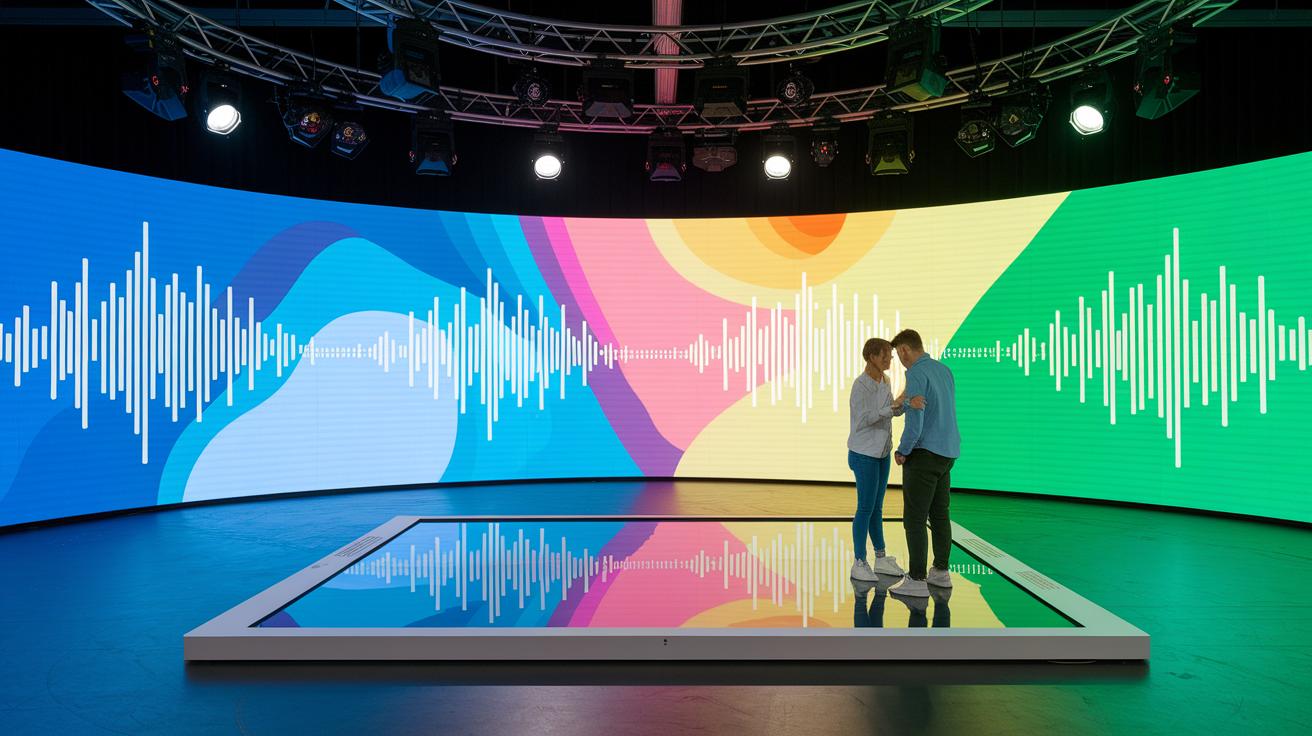
Interactive digital experiences are lively, modern tools that invite you to click, scroll, and explore both visuals and sounds. They give brands a fresh way to share their story and spark fun conversations in the marketing world. Instead of plain, static content, these experiences turn your screen into a mini-adventure that grabs your attention and pulls you in. Check out what interactive media means at https://vasthysfriends.com?p=211 and learn more about digital experiences at https://thezeff.com?p=195.
More companies are jumping on board with creative interactive content because it naturally holds attention and creates a fun, immersive space. They see this as a smart way to turn a casual visit into real loyalty. When users engage with these interactive tools, it boosts how a brand is seen and can even justify higher prices.
- Extended attention span – Imagine your audience completely absorbed by a story that unfolds with every click.
- Deeper engagement – Picture users diving into layers of extra content that keep them curious.
- Higher brand value – Think of brands that stand out with striking and memorable visual storytelling.
- Richer data insights – Visualize getting real-time feedback that helps guide smart choices.
- Premium positioning – Consider the impact of offering a unique, immersive experience that sets a brand apart.
Interactive digital experiences spark real excitement, letting brands connect on a personal level with their audience. With their blend of creative design and friendly interaction, these tools not only capture attention but also build lasting relationships, making the digital encounter feel like an unforgettable live event.
Designing interactive digital experiences: core principles and strategies

Modern digital tools have transformed the way we create interactive experiences. With easy drag-and-drop features and simplified coding platforms, creative teams no longer have to battle complex software. Instead, they can focus on shaping exciting, engaging content. Imagine kicking off a project with a surprising fact, like how Marie Curie once carried test tubes filled with radioactive material, unknowingly setting the stage for her groundbreaking discoveries. These tools speed up experimentation and integrate seamlessly with digital strategies, making interactive projects more accessible than ever.
User-first design means every screen, button, and scroll is crafted with you in mind. It’s like reading your favorite book, everything feels natural and welcoming. Designers keep things clear and simple so that every tap invites you to dive deeper into the experience. The aim is to turn a quick browse into a personal, unforgettable journey.
Smart planning and creative mapping are at the heart of every interactive experience. By carefully setting up clickable stories, colorful visual narratives, or interfaces that work smoothly on every device, designers ensure that every interaction feels consistent and exciting. They think ahead, predicting how users will respond on different platforms and updating content in real-time. This dynamic approach builds trust by offering reliable, engaging, and ever-ready digital encounters.
Technologies powering interactive digital experiences
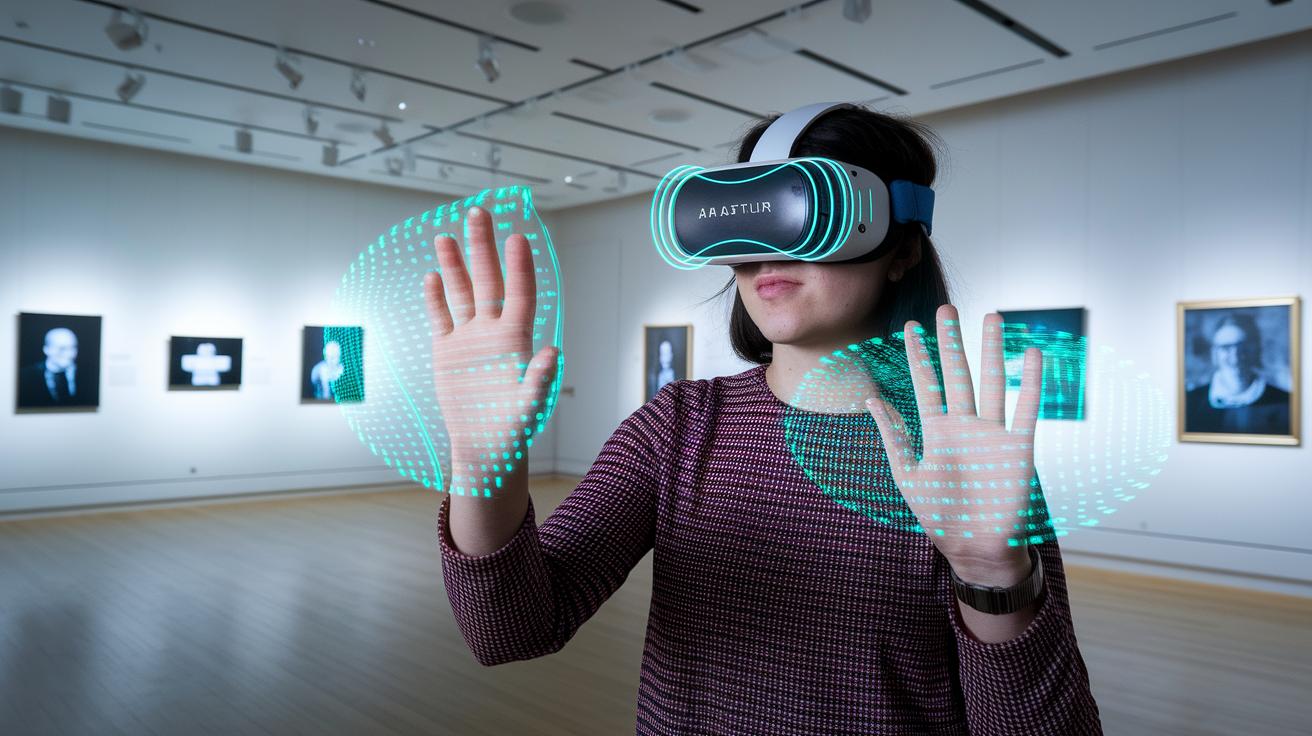
Today’s digital experiences are built with a cool mix of advanced tools that bring each scene to life. Think of augmented reality, virtual reality, 3D simulation, and touch-responsive screens, all working together to create vibrant, immersive moments. These tools let you see, feel, and explore in ways screens have never allowed before. They pump energy into every interaction with flashy visuals and smart feedback, making the digital world feel alive.
| Technology | Description | Example Use-Case |
|---|---|---|
| AR immersion | Adds digital elements to your real view, making everything interactive | Fun exhibits and cool AR scavenger hunts |
| VR navigation | Creates entire worlds for you to explore in a digital space | Virtual tours of historical sites and product demos |
| 3D simulations | Makes detailed and moving digital scenes that seem real | Architecture walkthroughs and training sessions |
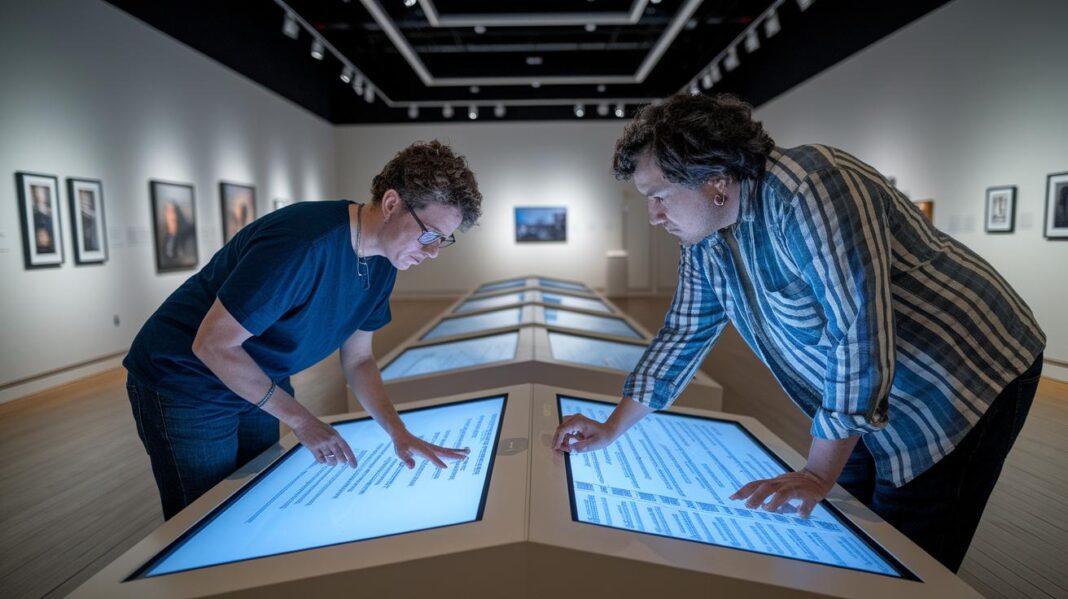
| Touch-responsive displays | Uses multi-touch screens for lively, real-time interactions | Museum kiosks and interactive retail setups |
In these projects, digital tools blend naturally to create multimedia installations full of life. Picture interactive infographics mixing with stylish animations to tell a modern story. Real-time rendering and XR platforms help run live displays where touch and animated graphics work in harmony. This smooth blend lets designers create visual stories that are as striking as they are engaging, giving you a truly full-on digital experience.
Real-world interactive digital experiences: examples and case studies
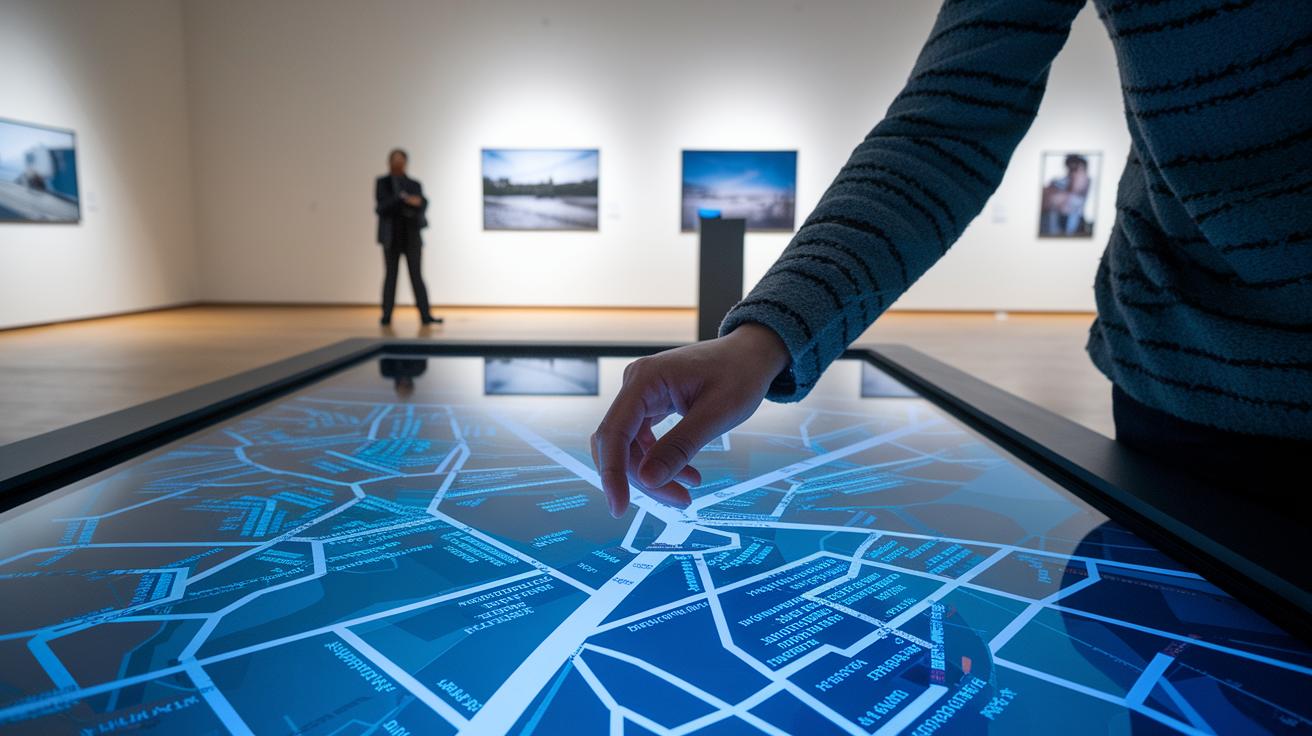
This section shows off a mix of cool, interactive examples where brands turn digital screens into lively hubs that pull you right in. Think of blending a great story with interactive fun, each example here brings the customer experience to life. You might see art installations that wow your senses or virtual tours that make you feel like you're right there in the moment.
Interactive narrative maps
Imagine a digital map that makes nature come alive. One project about otter habitats in Catalunya pairs bright, illustrated images with touch-friendly layers so you can dive into otter behavior. It even throws in fun facts like, did you know otters can sleep while floating on their backs? Another map about highway construction uses clickable spots to reveal hidden local stories, mixing pictures with real-world narratives that feel both personal and exciting.
Audio-visual content experiments
There’s also a project about a small-town entrepreneur’s climb that reads like a mix between a mini documentary and interactive art. Text, images, and sound work together like ingredients in your favorite playlist, each element adding to a rich, modern mix. And then there’s “The Hoarder’s Treasure,” which pairs compelling audio tracks with vivid images and written stories, showing just how interactive digital content can keep you hooked while blending fun and facts.
Data-driven and sports marketing engagements
Data plays a big part too. One story about German parliament demographics invites you to explore interactive charts and narrative tips that make numbers feel dynamic. Meanwhile, a digital matchday program from Manchester City Women brings live behind-the-scenes glimpses, real-time data, and engaging updates. These smart digital projects turn everyday viewing into a layered exploration, putting you right at the center of the action.
Best practices for interactive digital experiences

When you match your digital tools with your brand's goals, every click and swipe can do more than just entertain, they empower your brand to shine. Teams set clear targets, like boosting brand visibility and connecting with people on a personal level. Imagine a campaign where each clickable feature tells a unique part of your brand’s story. For example, think about this surprising stat: "Small changes in screen interactivity led to a 200% engagement surge during a live event." This approach turns everyday content into standout moments that not only tell your story but also spark real reactions.
Next up, it’s all about keeping quality high with every visual and sound. Your digital pieces need to have clear, attractive graphics and audio that fits perfectly together, creating an immersive experience. Using modern templates and frameworks isn’t just about looking good, it speeds up development so that creative teams can focus on those big, exciting ideas that keep audiences hooked.
And then comes the fun part, testing, tweaking, and growing. Regular check-ups on how things perform help spot what needs a little boost. Designers can fine-tune elements like gamified interactions or event-based features using real-time data. This cycle of continuous improvement keeps every digital piece fresh and in tune with what users want, ensuring a smooth, engaging experience that grows with your audience every day.
Emerging trends in interactive digital experiences
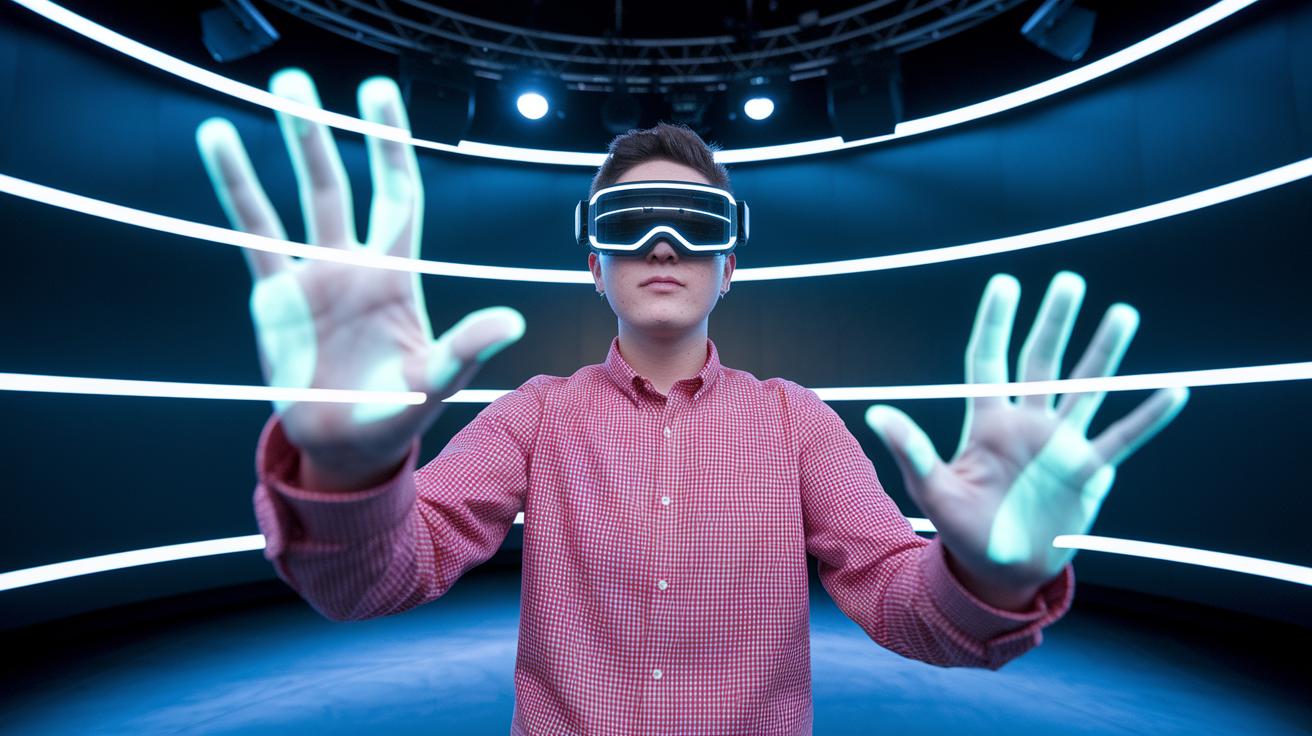
New tech is opening up cool new ways to enjoy interactive digital experiences. Designers and brands are starting to use tools that help them build content that grabs your attention from the first swipe. Imagine an interface that talks back to you like a friend, with every touch revealing a delightful surprise. Today’s innovations are setting up interactive features that feel fast and clear, drawing you in with every move.
AR and VR are fast becoming stars in this digital show. Picture yourself stepping into a virtual world where digital images mix perfectly with real surroundings. Meanwhile, AI tools are making these interfaces even smarter, and mobile-first designs ensure that every click feels just right on the go. With 5G real-time interactions and touch-powered screens, you get a smooth and lively digital experience that responds in a flash.
Brands are getting creative by turning digital spaces into immersive playgrounds. They’re testing XR platforms to offer virtual tours and interactive setups that truly wow you. These exciting moves promise a future where engagement isn’t just about clicks but about beautiful, unforgettable moments every time you interact.
Final Words
in the action, interactive digital experiences show how engaging assets boost attention and spark creativity. We explored design tricks that simplify creating lively, clickable content and how modern tech makes these ideas possible. Real-world examples and clear best practices tied everything together, while emerging trends point to even more thrilling possibilities ahead. This blend of smart design and innovative tech makes every interactive digital experience a chance to captivate and connect with fans. It's all about lighting up the moment and keeping the energy high.
FAQ
Q: What are interactive digital experiences?
A: The term interactive digital experiences refers to digital assets that require user actions like clicking or scrolling, blending visuals and audio to create engaging, user-driven encounters.
Q: What are some examples of interactive digital experiences and interactive content?
A: Interactive digital experiences include clickable infographics, dynamic videos, and navigable PDFs that invite users to explore content, making information both engaging and memorable.
Q: What can be found in an interactive digital experiences PDF?
A: An interactive digital experiences PDF contains navigable links, multimedia elements, and dynamic pages designed to boost engagement and transform static documents into active user tools.
Q: How does Salesforce integrate digital experiences?
A: Salesforce enhances digital experiences by offering tools that manage and track interactive content, allowing brands to build personalized, engaging journeys that connect with audiences more effectively.
Q: What defines immersive digital experiences?
A: Immersive digital experiences envelop users with engaging visuals, responsive audio, and interactive elements, creating deep, sensory encounters that feel as engaging as a live, in-person event.
Q: What are the best digital retail experiences?
A: The best digital retail experiences combine interactive content with smooth navigation so users can browse products, receive personalized tips, and complete purchases in an engaging, dynamic online space.
Q: What are digital experiences in general?
A: Digital experiences encompass all interactions users have with digital content, from static images to engaging, interactive media, designed to inform, entertain, and keep audiences involved.