
Ever notice how one simple message can spark a worldwide chat? Each text feels like a tiny heartbeat that connects friends and colleagues, almost like you're sharing a secret smile across the globe.
Whether it's a quick email or catching a live video call, every interaction comes across as real and instant. It changes the way we build trust and share our thoughts, making our connections feel warm and authentic.
Imagine it like the electric buzz of a live concert, the way light fills a dark room, bringing everyone together. That's the magic of digital communication today.
Digital Communication Elevates Modern Connections

Digital communication is all about connecting with others through digital tools, whether you’re halfway around the globe or just next door. It’s like having a friendly chat that zips across cities and time zones, making conversations feel as natural as sitting down with an old friend.
There are lots of ways to do this. You might drop a quick email, fire off a message on Slack, or hop on a Zoom call where everyone’s face lights up the screen, even join a live video where it feels like you’re right there in the room. It’s a bit like the excitement of a live concert where every beat brings people together.
What’s really cool is the mix of live chats and messages you can catch up on later. One moment you could be in a real-time video call, and the next you’re reading an email or social media post at your own pace. This blend of text, pictures, audio, and video makes everything feel personal and easy to understand, like your boss sharing a short video update with a few friendly words.
Digital tools are super fast and easy to use on any device, so teams everywhere, from small startups to big organizations, are keeping in touch, sharing ideas, and pushing projects forward seamlessly. Imagine over 15,000 clients and 490+ locations around the world using these platforms to make sure everyone’s on the same page.
And now, the trend is all about having it all in one place. Tools are getting smarter by bundling scheduling, analytics, and multimedia sharing into one neat package. It’s no wonder digital communication has become a vital part of making our connected world work smoothly.
Historical Evolution of Digital Communication Technologies

It all started back in the 1960s and 70s with telegraphy and early packet-switched networks. Picture this: tiny bits of a message, like pieces of a puzzle, split up and sent over wires. Imagine sending a quick series of coded taps, each one connecting like a little secret handshake in a busy room. This simple yet clever trick laid the foundation for the electronic data sharing we depend on today.
Then in 1971, ARPANET rolled out an email system that changed the game. Suddenly, messages didn’t need to be delivered manually, they could travel on their own. This leap turned our everyday chats into something automated and super efficient.
By the time the 1990s arrived, instant messaging platforms such as ICQ and AOL Instant Messenger made chatting in real-time a reality. These services used neat signaling tricks, allowing people to connect almost instantly, no matter how far apart they were. And as the early 2000s rolled in, social media joined the scene. These platforms mixed one-on-one conversations with messages that reached many people at once, creating a whole new way to keep in touch.
Nowadays, emerging tech like AI, VR, and AR is taking our digital conversations to a whole new level. They bring a feel of being right there in the moment, think of the rush of a live concert or the warm glow of your favorite screen lighting up your room. These tools push the limits of traditional communication, blending old and new methods while making our digital lives even more exciting and immersive.
Core Protocols, Standards, and Security Foundations in Digital Communication
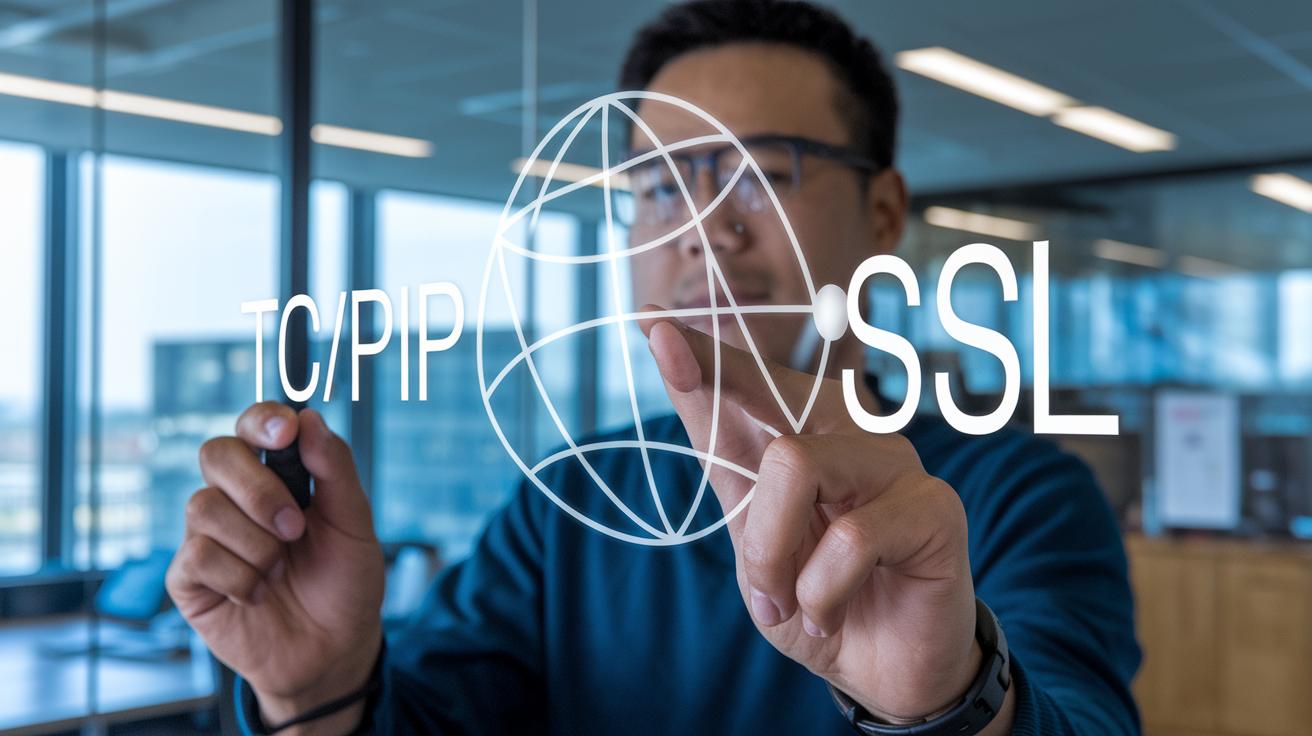
Digital communication depends on a set of clear rules that keep our messages safe and steady. The TCP/IP suite is like the backbone of the internet, making sure data moves correctly from one device to another. When you surf the web, HTTP and HTTPS work in the background to deliver content smoothly and reliably. And think about SMTP, it’s like a digital mailman ensuring your emails find their way, while RTP makes sure a live chat feels crisp and clear.
Organizations like IETF and IEEE set the rules so that devices can all "talk" the same way. This shared language helps messages fly accurately and boosts overall performance. Then there’s secure messaging, which wraps your data in encryption layers like SSL/TLS and end-to-end methods. It’s a bit like using a secret code that only your trusted friends can understand.
Error-correcting tools like CRC and Reed-Solomon catch little hiccups along the way. And with network latency optimizations, every digital exchange moves as smoothly as a well-rehearsed dance.
Benefits and Practical Applications of Digital Communication

Digital communication lets teams work from almost any device with internet access. It means you can connect with friends and colleagues whether you're in the same room or miles apart. Imagine joining a live video call and switching over to a digital whiteboard where everyone can scribble out ideas, just like drawing on a clear glass table.
Time is saved too. One company, Mettler Toledo, cut their weekly newsletter work by 4 hours, adding up to 25 days saved every year! They did this using scheduled email tools and easy-to-use online systems that keep work moving with hardly any delays.
Many groups now pack their messages with pictures, sound, and video. Think of a sparkling update video with cheerful graphics and heartwarming messages that fire up the entire team. It makes news feel lively and fun.
Other handy tools include automated surveys and SMS alerts. These help collect quick feedback from everyone, even those not at a desk. Cloud-based systems also gather all messages in one spot, plan follow-ups, and track replies so nothing slips through the cracks.
| Tool | What It Does |
|---|---|
| Remote collaboration tools | Let teams brainstorm anytime, anywhere |
| Cloud-based outreach systems | Keep messages organized and track feedback |
| Multimedia content integration | Add images, audio, and video to spice up messages |
| Online collaboration systems | Streamline projects with smooth teamwork |
| Video conferencing technologies | Connect team members live for instant chat |
Isn't it cool how these digital tools make work more fun and efficient, almost like getting a backstage pass to the future of teamwork?
Security, Privacy, and Common Challenges in Digital Communication

Have you ever read a quick email and thought, "Wait, is this rude or just brief?" Without a friendly face or body language to guide us, even simple messages can feel a bit off. It’s like watching a movie without any background music, important cues are missing, and you can end up feeling confused.
Privacy is a huge deal too. When your data travels unencrypted, it’s like leaving your diary open for anyone to read. To fix this, many companies are now using strong encryption and multi-factor authentication. In plain terms, these tools act like a sturdy lock on your personal conversation, making sure your messages stay safe.
And then there’s the technical side of things. Sometimes, the flow of a conversation gets interrupted by glitches like latency (that's a delay in data transmission) or packet loss, which can make a chat feel choppy, as if someone hit the pause button during your favorite song. Luckily, smart fixes like error correction and network tweaks are there to iron out the kinks and keep your talk smooth.
There’s also the human factor at work. When a team uses the wrong channel for a quick update or doesn’t manage their online persona well, it can slowly chip away at trust. Little missteps like these build up over time and can leave everyone feeling a bit uneasy about digital exchanges.
Emerging Trends and Future Directions in Digital Communication

AI-powered message routing is lighting up the digital scene. Imagine an assistant that neatly clears your inbox and greets you with a friendly “Hey there, I got your back!” It’s just one cool way new media tech is totally shaking up how we chat.
Next-gen transmission tech is boosting our ability to stream sharp, high-definition videos and link up smart devices. Picture yourself in a live video meeting that feels as crisp as your favorite blockbuster, all thanks to speedy connections and reliable 5G.
Virtual reality and augmented live tech are turning routine meetings into immersive, real-life experiences. Think of stepping into a digital room that feels as cozy as your favorite coffee shop, a space where every detail grabs your attention.
Unified messaging hubs bring email, chat, voice, and video together in one neat spot. With cloud messaging platforms, marketing, customer service, and team chats blend effortlessly, giving you a digital space that just works.
Technology keeps breaking barriers, making sure our digital interactions are always fresh, fast, and completely engaging.
Final Words
In the action, we saw digital communication's dynamic nature, from everyday emails to live streaming events that bring creativity and ease to our lives. The post covered its evolution, technical building blocks, and security measures that keep our messages safe. Practical uses like remote collaboration and multimedia sharing bring these concepts alive. New trends point to even more interactive ways to connect. This clear look at digital communication leaves us inspired to enjoy and share innovative experiences.
FAQ
What is digital communication?
The definition of digital communication means sharing information through online tools like email, chat, video calls, and social media. It makes quick and clear interaction possible in remote or hybrid setups.
What are some common types, examples, and popular forms of digital communication?
The common types of digital communication include emails, instant messages, video calls, text messages, and social media posts. They combine text, pictures, sound, and video for engaging exchanges.
Is digital communication a skill?
The idea of digital communication as a skill means being good at using online tools effectively. It involves learning to present ideas clearly and improving with practice.
Why is digital communication important?
The importance of digital communication lies in its ability to provide fast, accessible, and multimedia-rich interactions. It helps teams work together better and share ideas quickly no matter where they are.
What does a digital communication course cover?
The main topics in a digital communication course include email, real-time video streaming, messaging, security protocols, and best practices for clear online exchanges. It equips learners with both technical and creative skills.
What resources are available like digital communication books or PDFs?
The digital communication book or PDF contains detailed guides on key concepts, real-life examples, technical standards, and best practices. They serve as handy resources for both beginners and experienced users.
What digital communication jobs and academic degrees exist?
The term digital communication jobs and degree programs refer to roles like online media specialist, digital strategist, and communication consultant. These careers blend creative, technical, and strategic skills for modern workplaces.