Ever wondered if digital magic could turn everyday moments into playful adventures? Augmented experiences mix digital visuals with the real world, making ordinary tasks feel like a live show.
Imagine trying on a cool digital outfit or catching an animated character right in your room. Smart technology blends digital content with your surroundings, turning a simple moment into something exciting.
In this post, we dive into how this mix of tech sparks interaction that grabs your attention and makes you want to come back for more.
Overview of Augmented Digital Experiences
Augmented digital experiences are like interactive worlds where digital magic meets the real thing. Think of AR, augmented reality [tech that adds digital images or info to your view], where you might try on a virtual outfit or see a digital character pop up in your room. It’s a fun, new way to connect with content that goes beyond the usual screen.
By mixing AI-powered AR with spatial computing [tech that turns everyday spaces into interactive canvases], our surroundings transform into cool 3D playgrounds. AI jumpstarts the process by instantly updating and adapting the content around you, creating layers of interaction that feel both natural and exciting.
The perks are amazing. Augmented digital experiences pull you into interactive scenes that invite you to get involved. They bring storytelling to life, turning plain ads into fun virtual try-ons or simple guides into immersive tours. In short, this blend of tech not only captures your eye but also makes every moment memorable and a blast to explore.
Core Technologies for Augmented Digital Experiences
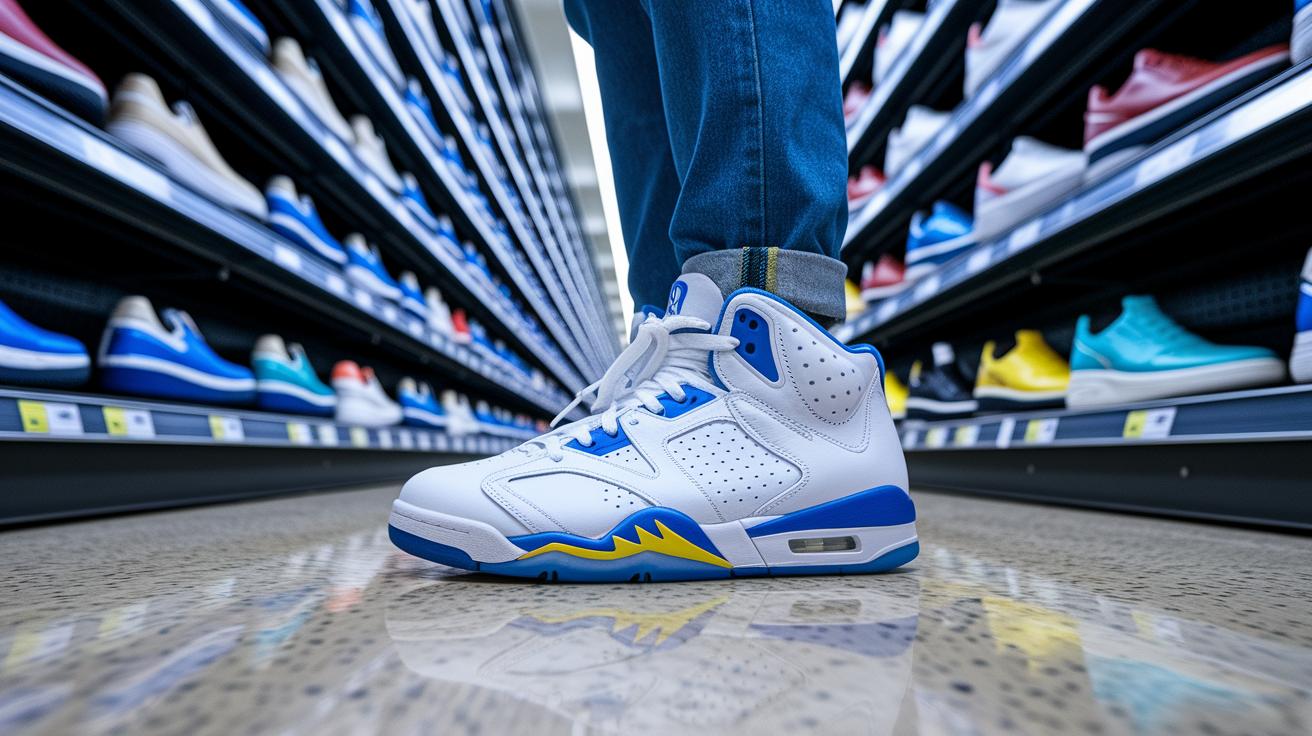
Imagine your browser turning into a window of digital wonder. Tools like Three.js and A-Frame help creators blend virtual images with real-life views, making everyday scenes pop with energy. With exciting tech like WebXR and platforms such as 8thWall, building web AR becomes a breeze – no need to start from scratch. Picture checking out an online store and seeing a virtual model rock the latest sneakers. That’s AR making your browsing experience truly interactive.
Next comes sensor integration. Using cameras and LiDAR (a tool that uses lasers to measure distance), this tech maps real-world environments so digital layers fit perfectly. It’s like placing a digital street sign right on a busy road, syncing perfectly in real time. This careful alignment is what powers interactive installations and on-the-go games that mix the real with the virtual.
Then, AI and spatial computing jump in to make things even smarter. They work together to detect objects and adjust digital visuals as you move around, much like a personal museum guide that keeps pace with your steps. This clever tech keeps virtual elements locked in place, creating dynamic and immersive experiences that feel both real and magical.
| Technology | Function | Use Case | Complexity |
|---|---|---|---|
| WebXR | Browser AR integration | Virtual try-ons | Medium |
| Three.js | 3D rendering | Interactive overlays | High |
| 8thWall | No-code web AR | Marketing activations | Low |
| AI Computer Vision | Environment mapping | Spatial anchoring | High |
Augmented Digital Experiences in Marketing and Engagement
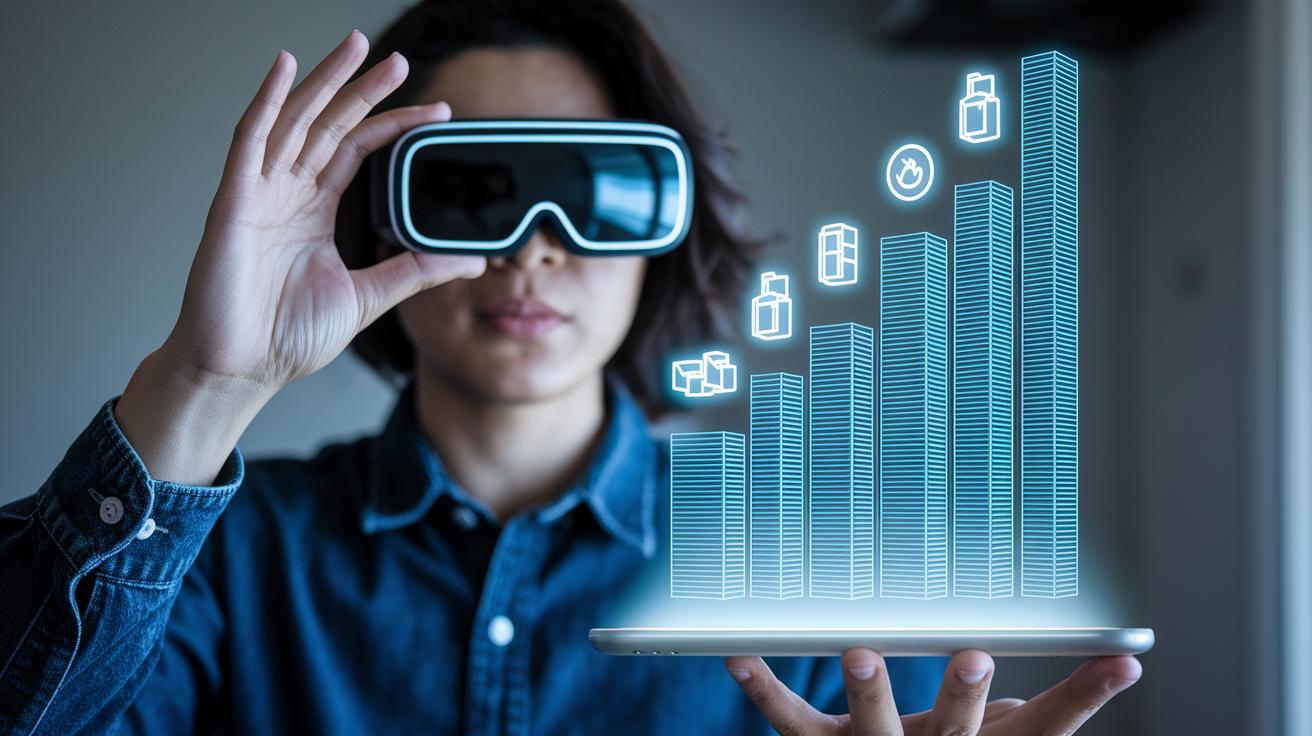
AR campaigns are turning plain old websites into interactive playgrounds. Think of a site where you can virtually try on clothes or watch a product come alive, it’s like stepping into a digital wonderland that grabs your attention and keeps you around for more.
Retail and E-commerce
Retailers are having fun with AR to keep customers engaged. Imagine trying on shoes or checking out a jacket without having to leave home. Inside stores, AR brings physical displays to life by adding eye-catching details. It’s like each display transforms into its very own mini exhibit, making shopping a fun, confident adventure.
Brand Storytelling Campaigns
Brands are ditching boring ads and inviting you into living stories. Instead of just reading about a product, you get to experience its story firsthand. This hands-on, immersive approach makes you feel like you're part of the narrative, building a stronger bond with the brand.
Live Events and Experiential Activations
At live events, AR brings a burst of digital magic to the real world. Picture a festival where digital art lights up the stage or interactive branded moments that pull you in. These experiences mix digital flair with real-life touch, leaving you with memories that stick long after the event ends.
Data shows that adding AR into the mix boosts how long people stick around and even brings them back for more, making brands more memorable and trusted.
Strategies for Implementing Augmented Digital Experiences

When starting an AR project, begin by setting clear goals and choosing the perfect augmented or virtual reality platform. Think of it like planning a live show where every actor has a job. Write down the interactive pieces you want to include, much like setting the stage for a memorable performance. For instance, you could say, "We want to create a scene where digital elements take users on an exciting journey."
Next, dive into the technical side. This is where you pick the right software tools (SDKs) and make sure your device's sensors and hardware chat smoothly. Imagine it as tuning your instruments before a big performance. You might work with camera inputs or motion sensors to bring real-world details into your scene. And always consider devices like phones, tablets, or headsets to keep the experience consistent and alive.
Then, focus on performance and accessibility. It’s like making sure the lights are bright the moment the show starts. Fine-tune your code and digital assets so everything loads quickly, and check that your work plays nicely with different browsers. This guarantees that everyone, no matter their device or ability, can join in and enjoy the experience.
Finally, embrace the process of constant improvement. Think of this as rehearsing over and over to perfect your performance. Use analytics and user feedback to spot areas that could do with a little extra magic. If you notice that users are tapping certain features again and again, consider enhancing those moments to make the whole experience even more engaging.
Future Trends in Augmented Digital Experiences
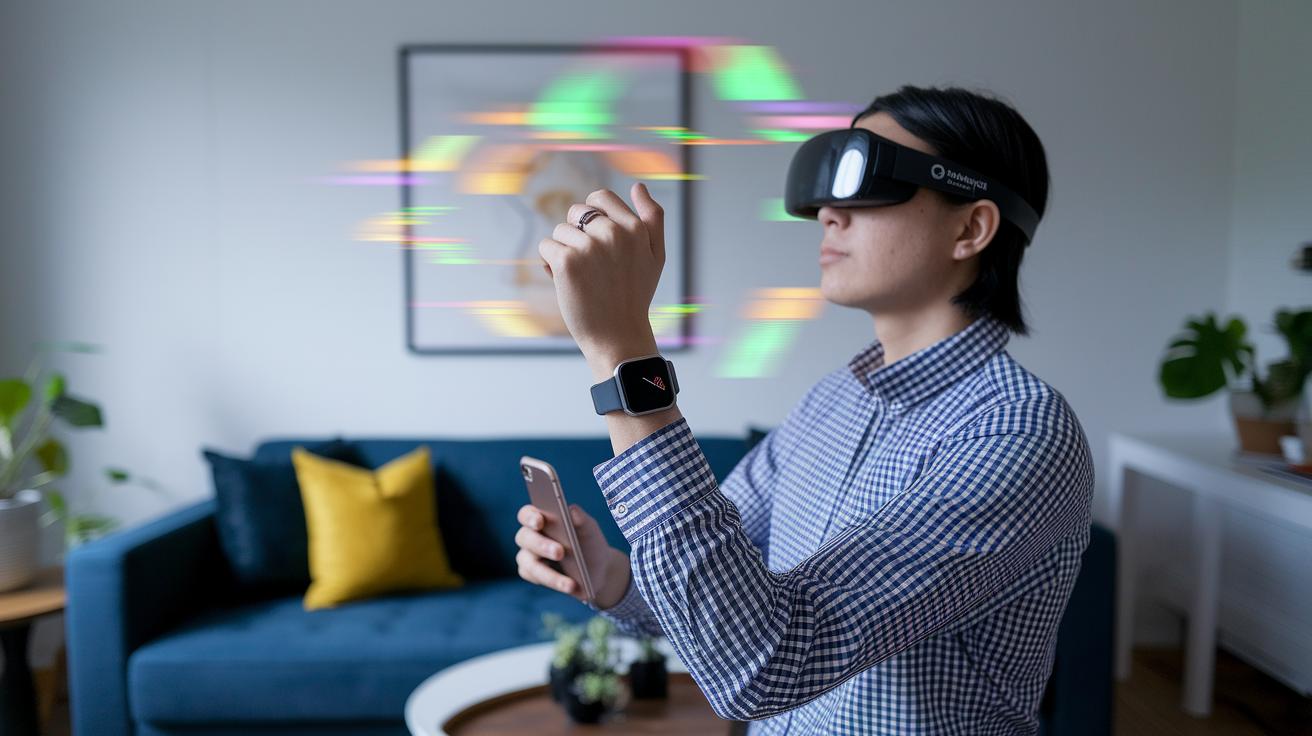
Our digital world is mixing with real life in some amazing ways. Picture technology that blends computer images with what you see around you. AI works together with spatial computing and AR (augmented reality, which shows digital images right in our real world) to create 3D experiences that feel almost magical, like a live show right before your eyes.
New 5G networks and cool wearable AR devices are making these ideas possible. Tools like WebAR (using your web browser for AR) and simple, ready-made toolkits mean that brands and developers can easily add digital touches to everyday settings. Imagine a smartwatch that shows sparkling visuals or a phone that turns a plain room into a lively virtual scene. As our devices connect even more, the digital experiences we enjoy will become smoother and richer.
Looking ahead, these exciting changes will spread into art, business, and everyday life. From a fun new way to shop to innovative entertainment, more industries will use immersive displays and interactive elements to connect with us in a whole new way.
Final Words
In the action of exploring dynamic AR overlays, sensor integration, and interactive platforms, the post brings lively insights into how tech transforms our screens and surroundings. We touched on technical setups, creative storytelling, and live event magic that make digital encounters so real. Key strategies and emerging trends work together to spark innovative moments and build strong communities. Embracing augmented digital experiences can spark fresh, memorable adventures in today’s fast-paced world.