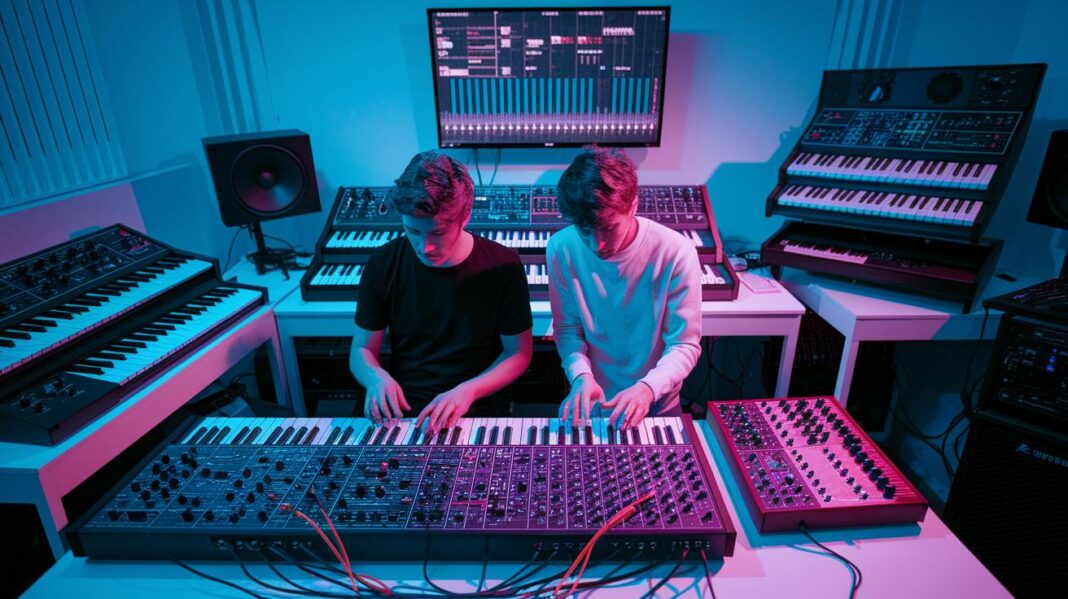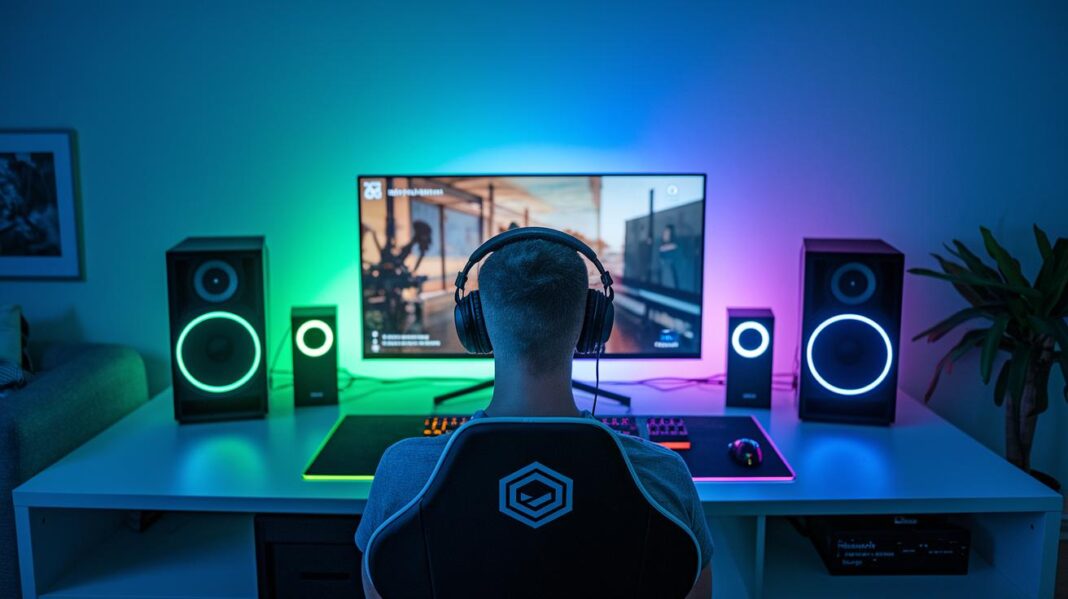
Ever noticed your heart beat faster when a soft sound in your game slowly grows louder, hinting at what comes next? It's like each little note matches your every move, making the game feel alive.
The music becomes a friendly signal, building suspense and a burst of excitement right when you need it most. It whispers secrets and surprises, turning a usual play session into something truly unforgettable.
Today, we're chatting about how smart sound design can transform every game session. The right audio can boost your gameplay, making every moment pop with energy and wonder.
Immersive Music Experiences: Elevating Player Engagement in Gaming
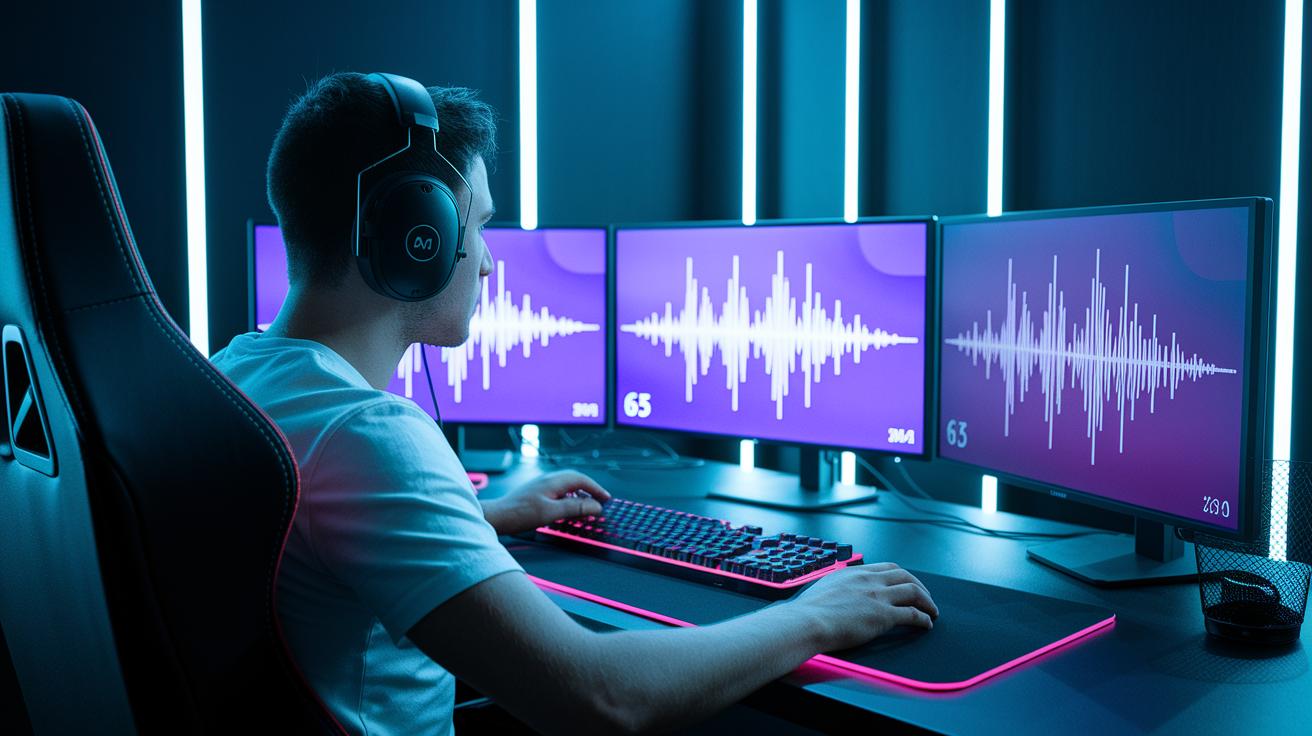
When music meets gaming, every moment turns into a feast for your senses. Cool sounds like rustling leaves and gentle machine hums pull you right into the action. Ever notice that soft tremor in the background just before a big battle? It’s like a secret hint of the chaos ahead.
Games like Hellblade: Senua’s Sacrifice use binaural audio, which means you feel as if you’re inside the hero’s head. And in DOOM, the booming soundtrack and sharp effects make every fight feel super intense. When you open a door or fire a gun, the matching sound makes the action feel even more real.
Music in these games isn’t just a background feature, it reacts to how you play. As you explore bright, lush landscapes or zoom through high-speed chases, the beat shifts and new layers of sound pop in. A slight change in the music might even warn you of a hidden threat, turning every sound into a vital clue.
Every note and cue is placed with care to boost the story and pull you deeper into the adventure. It’s like sitting front row at a live show where the music itself leads the way. So next time you game, listen closely; there’s a whole world of secrets waiting to be discovered.
Interactive Audio Engagement Techniques in Game Music
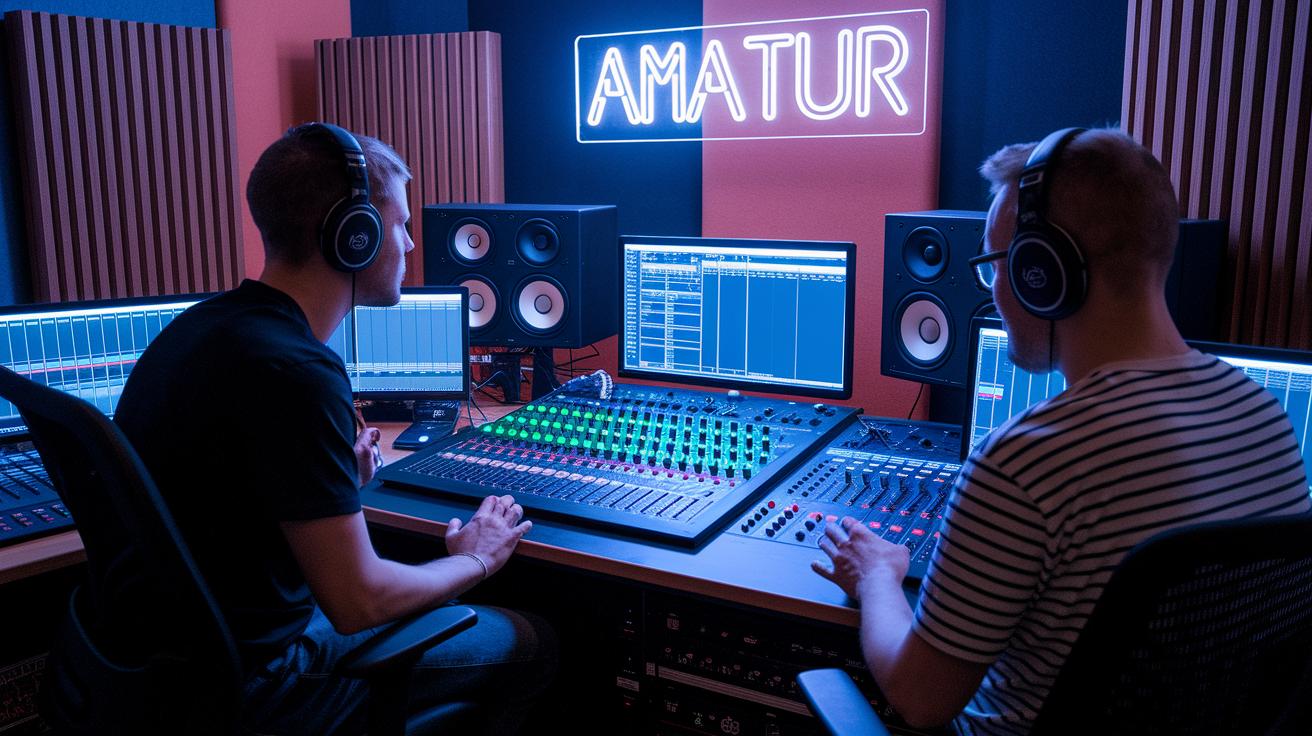
Sound design is a team effort where sound designers, composers, developers, and voice actors come together, all working to create a sonic world that matches a game’s vibe and style. They craft every sound to echo the game’s theme and action. So when you suddenly change direction in the game, the music might drop a quick burst of beats, a fast, musical pat on the back for your move.
But it doesn't stop there. Reactive audio synthesis takes the game’s score and adjusts it in the moment. Basically, smart algorithms shift the instruments, volume, and pace as you play. Meanwhile, on-the-spot sound effects, known as procedural foley, and lively voice changes add extra depth to character voices. It’s like the music grows and changes just for you, maybe building quiet tension in a sneaky part of the game or bursting into exciting tunes during big battles.
All these techniques, from fast mixing to spot-on sound cues, turn every player choice into a live performance. The music stays alive with you, changing its tune to keep you gripped through every twist and turn of the game. Every beat and note plays its part, making your gaming experience feel like a unique, interactive concert.
Interactive Audio Engagement Techniques in Game Music

Game music now responds to what you do in real time. Adaptive musical layers and live audio interactions change the soundtrack based on your actions. For example, when you step into a shadowy area on the map, a quiet melody quickly shifts into a tense beat.
Smart systems use clever algorithms to adjust the tempo, instruments, and overall intensity while you play. Imagine leaving a bright outdoor space and entering a dark corridor, soft background notes suddenly give way to clear, urgent rhythms that fit the scene perfectly.
Live audio interactions let new sounds mix during exploration, combat, or crucial story moments. As the game pace changes, the music flows smoothly like a live performance that follows every spontaneous cue.
For more details on adaptive sound in modern game engines, check out how immersive audio works.
Spatial Sound Innovation for Multidimensional Immersive Music
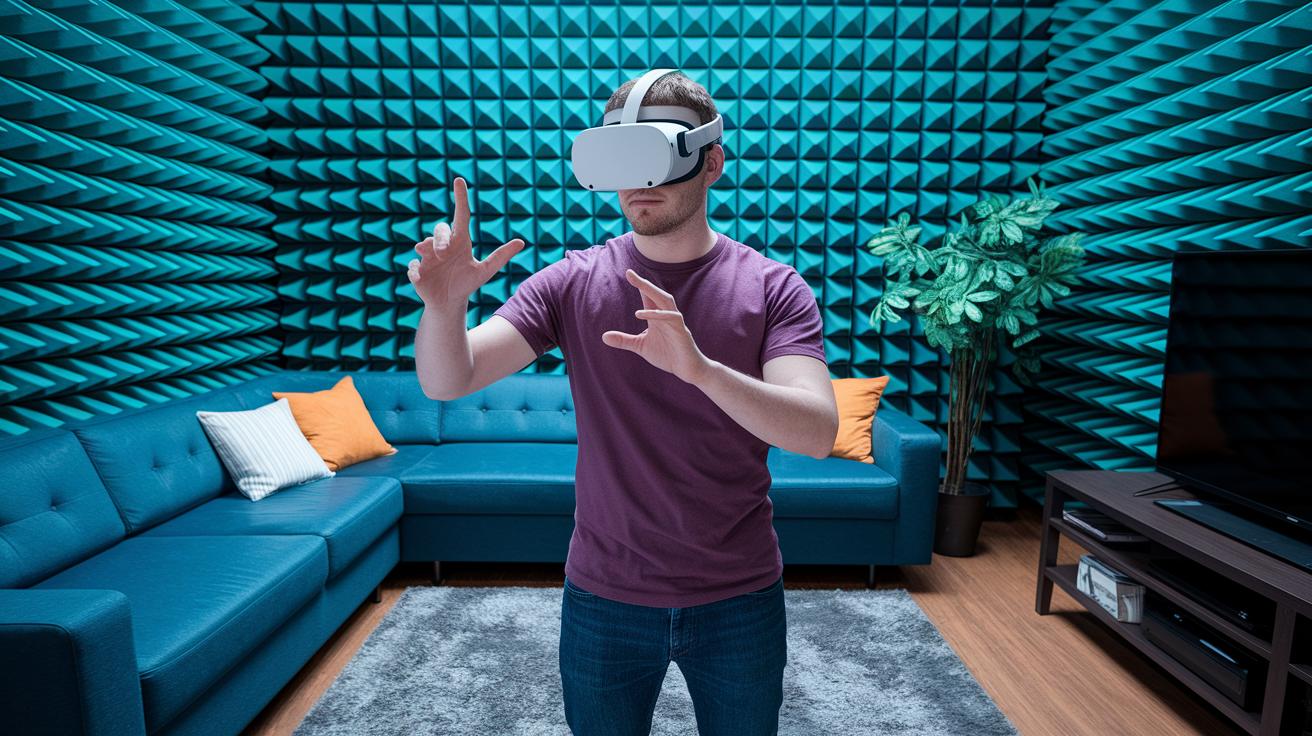
Spatial sound innovation brings game audio to life by sending sounds swirling around you in a three-dimensional space that moves with you. Imagine walking through a bustling digital city and hearing footsteps shift from one ear to the other, you really feel like you're part of the scene.
Modern audio engines on consoles and PCs work like magic, placing sounds in virtual spaces so clear and lively that each sound feels right on cue. Simple cues, like the soft rustle of leaves or a far-off mechanical hum, become your guide as you roam vibrant digital worlds.
VR headsets take this experience to another level by mixing real-time motion tracking with sound, so as you turn your head, the entire audio world adjusts with you. It's a bit like enjoying a live concert where every note wraps around you, making the digital world feel incredibly real and exciting.
Procedural Soundtrack Creation and Digital Orchestrations in Gaming
Imagine exploring a vast digital world where the music literally changes with each step you take. In many games, soundtracks aren’t pre-set; they grow and evolve as you progress. It’s like having a personal concert that adapts to the thrill of your journey. For instance, you wander into a dark cave and suddenly, a mix of digital beats with live string sounds fills the air. It’s a signal that something new and mysterious is right around the corner.
Some games use a cool trick called procedural soundtrack creation. This means they use rules to decide what music plays during epic battles or peaceful exploration. Think of it as a musical recipe that changes based on your actions in the game, making every play session a unique experience.
Digital orchestrations take this one step further by blending all kinds of sounds. Sampled instruments, live recordings, and synth layers mix together, sort of like creating a vibrant digital painting. Game developers use special software to combine these musical bits, ensuring that no two game sessions sound exactly alike. This means that every time you play, there's a fresh vibe ready to match your adventure.
Every note, every beat feels like part of a live show that grows and shifts along with you. It’s this dynamic sound design that makes gaming feel like you’re part of a one-of-a-kind concert. Enjoy the ride and let the music lead the way!
Cinematic Sound Adventures and Emotional Resonance in Game Scores

Austin Wintory’s soundtrack in Journey feels almost like another character. It sets the tone and guides you through each heartfelt scene. Imagine one swell of strings that seems to speak right to your soul, turning gameplay into a living story.
The music is crafted carefully, much like a movie score that builds a rich, unfolding world. Think about a soft piano piece that plays just as you uncover a secret, it adds a layer of depth like a supportive actor in a scene.
Then there’s the reactive audio that shifts instantly with your every move. It mirrors the pace and changes in tension, making sure you feel every moment of the action.
All these musical touches work together, creating layers of emotion that draw you even closer to the game world.
Emerging Game Music Trends Shaping Immersive Music Experiences in Gaming

AI-powered adaptive audio systems are taking game sound to a whole new level. They adjust tunes on the fly, crafting soundscapes that almost seem to predict your next move. Instead of just reacting after a moment has passed, these smart systems set the mood right before the action unfolds.
On March 28, 2025, Pingle Studio hit a major milestone by becoming an Authorized Unreal Engine Service Partner. This breakthrough not only broadens their audio toolkit but also opens up fresh paths for interactive musical storytelling that blends gameplay with engaging narratives.
While older methods waited until after the fact to change the music, today’s AI tools work their magic in real time. Imagine a calm melody that smoothly shifts into a tense beat when a challenge appears, capturing the vibe before you even know what's coming.
Final Words
In the action, we saw how sound transforms gameplay by blending rich audio cues with on-screen events. We explored adaptive musical layers, real-time interactivity, and spatial sound techniques that bring virtual worlds vividly to life. This post highlighted immersive music experiences in gaming that elevate every encounter, from atmospheric exploration to high-energy combat. It’s a fresh look at how music can pull you right into the game, sparking excitement for every new moment ahead.