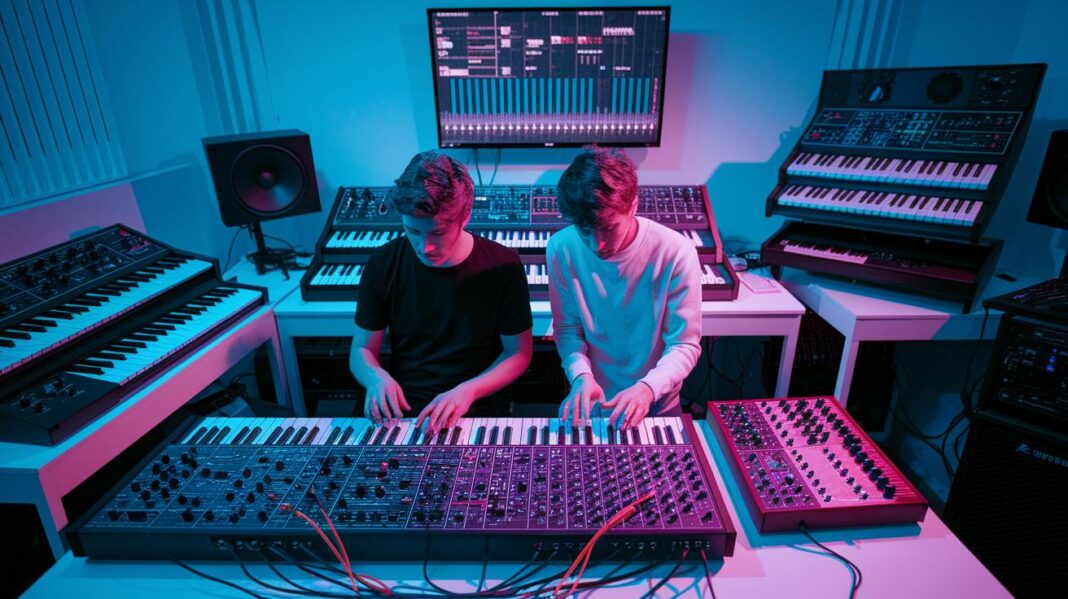
Ever listened to a song that seems to wrap you in a cozy embrace? Immersive music takes simple beats and transforms them into a lively experience that fills every corner of your space. Imagine feeling the sound like a cool breeze sweeping across your room or the vibrant glow of stage lights. It's like painting with sound, where every note blends together to create a full, captivating picture.
In this article, we explore fresh techniques that let each sound step into the spotlight and reveal bold new worlds of musical expression.
Key Methods for Immersive Music Composition
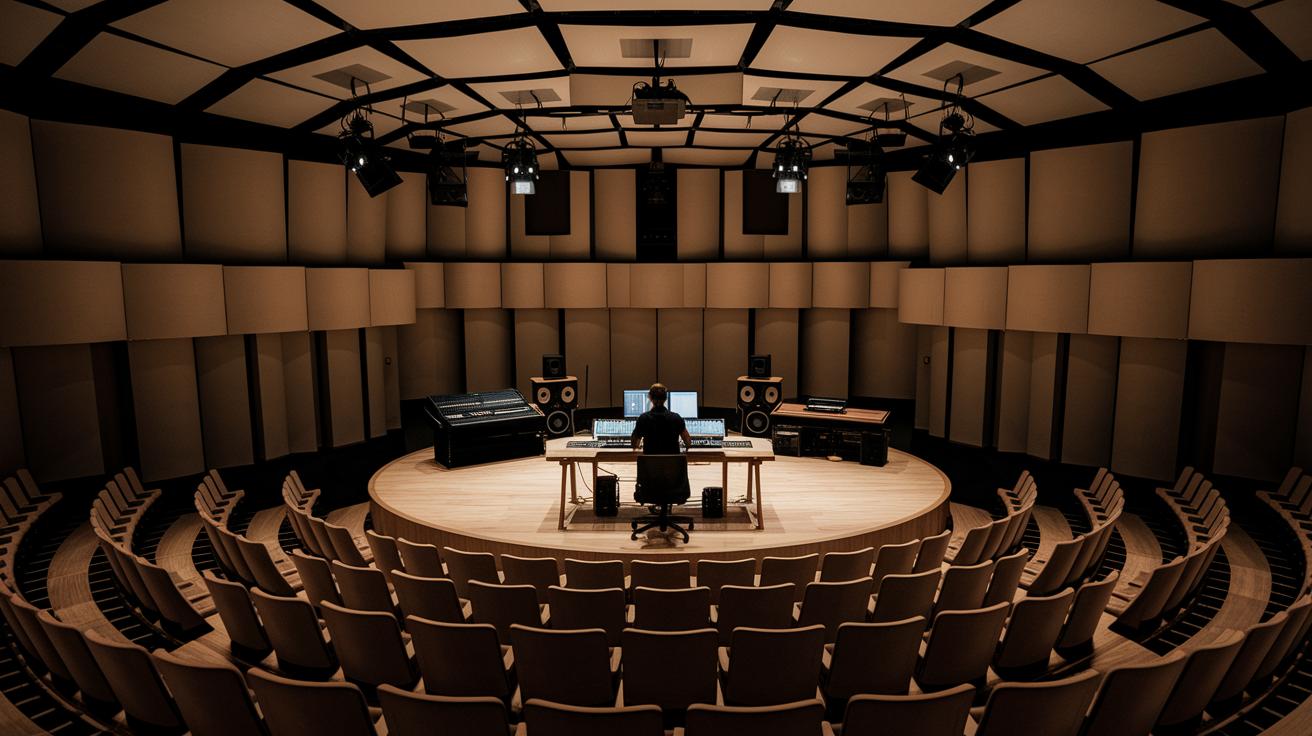
Immersive music composition moves away from the old idea of just splitting sound left and right. Instead, it tells a story that fills every nook and cranny of your listening space. The Flow project gives us a peek at how mixing classic composition with smart, spatial techniques can create a soundscape that feels three-dimensional.
Today’s composers work with a setup where the main sounds burst from the center while supporting textures drift in from the sides or rear. Imagine a strong, catchy drum beat right before you, pulling you into the sonic scene, and then soft harmonies gently float around you like a cool breeze.
This blend of classic recording methods and modern tools lets creators experiment freely. Free binauralizer plugins, tools that mimic how our ears naturally pick up sound, mean you don’t need a heavy setup to dive into new ideas. Many producers play around with things like these:
- Trying different ways to arrange sounds in space
- Combining live audio with digitally made textures
- Tweaking the balance between bold and background sounds
Interactivity plays a huge role too. This approach invites both performers and listeners to shape the sound right in the moment. Composers often set up simple controls using MIDI controllers or app-based tweaks, so you can really feel the music shift and breathe. It’s like being at a live show where the vibe changes depending on where you’re sitting.
By embracing these techniques, today’s creators design a world of sound that feels as natural as it is immersive. Every musical piece turns into an inviting journey, drawing you deep into its vibrant, living narrative.
Spatial Audio Techniques in Immersive Music Composition
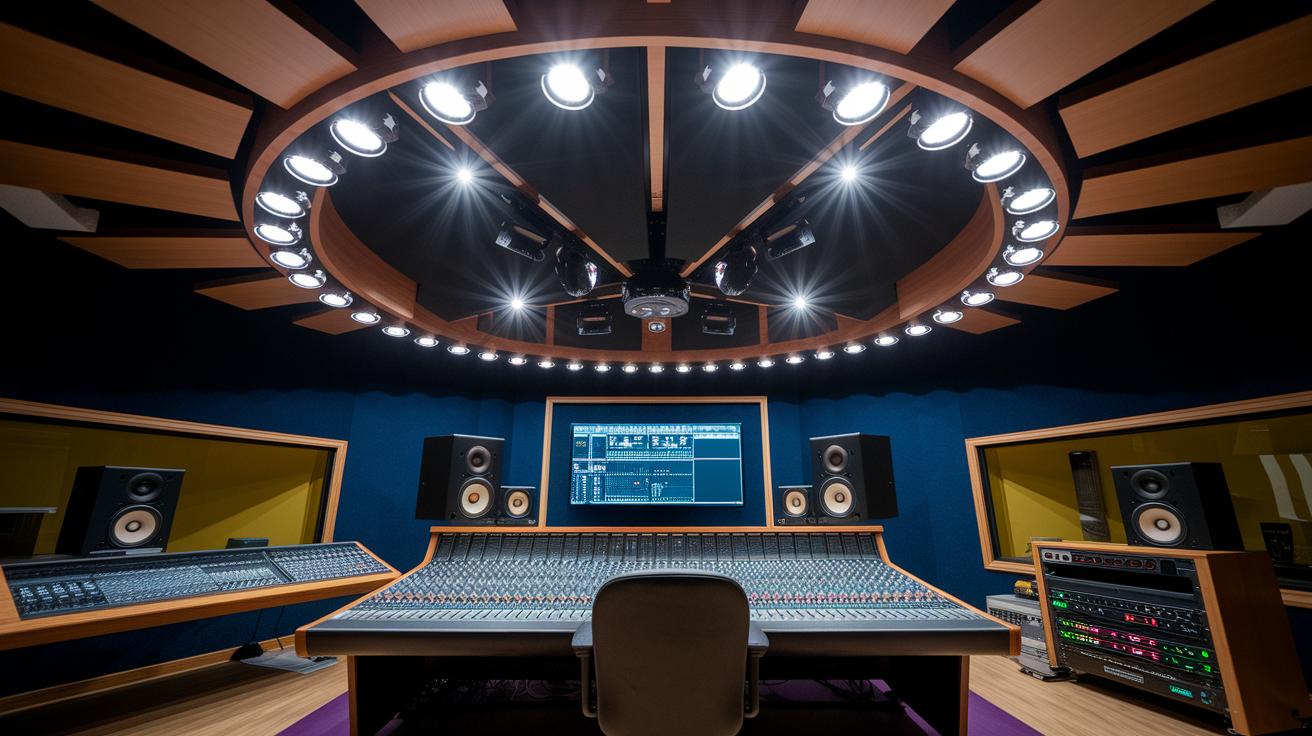
Immersive music goes beyond just blending tracks, it’s about sculpting sound in space, like painting with audio. The album Immersed, released on June 19, 2025, shows off a cool approach that uses careful microphone placement to catch natural echoes, surrounding you with sounds from every direction. Imagine being at a live concert where the echoes feel as real as the stage performance.
In Episode 21, “Composing Pendulum – Creating Music in Dolby Atmos,” producers dive into an immersive setup that uses advanced spatial mixing to position sounds fluidly across the scene. They mix old-style recordings with modern 3D techniques so that each note finds its perfect spot, much like arranging furniture to create a cozy, well-flowing room.
Take, for example, the immersive saxophone sessions in Episode 18 or the drum kit experiments in Episode 22. Each instrument gets a custom mic setup designed to capture its true character. At Real World Studios, one standout case study featured seven DI’d guitars and amps arranged in a circle with an 8-mic central array, creating a balanced sound field that makes you feel completely surrounded by music.
Curious to learn more about how immersive audio transforms live experiences? Visit https://thezeff.com?p=380 and step into a world of sound that feels as vibrant and dynamic as a live show.
Interactive Processes for Audience Engagement in Immersive Composition
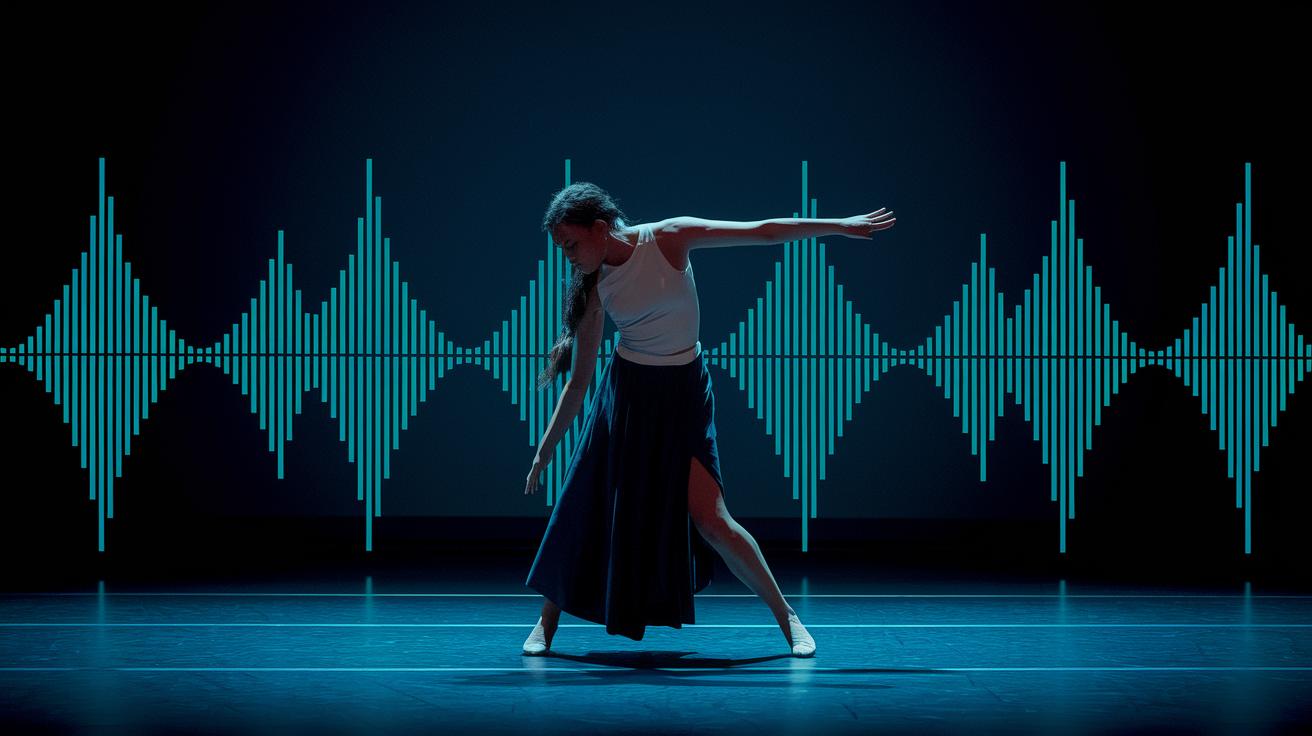
Today’s interactive systems go far beyond basic MIDI or simple app controls. They use advanced sensors and smart algorithms to shape live sound in real time. Imagine using gesture sensors, computer vision (which is computer software that sees and understands movement), and live data to tweak tones and effects as a performer moves or even when the crowd reacts.
It’s like watching magic happen. Picture a dancer’s arm sweep across the stage, instantly changing the reverb and delay so that a soft echo turns into a burst of shimmering sounds. The system feels alive, reacting with the energy of the moment.
New methods now bring in machine learning, basically, tech that learns from what it sees, to keep things fresh. Instead of just flipping a switch between preset sounds, the software gently adjusts things like filter settings and dynamic effects on the fly. For example, a simple hand gesture can deepen the bass and brighten the highs, creating a wave of sound that feels natural and dynamic.
Recent shows have shown that blending sensor data with smart feedback can create an environment that’s always evolving. When people move or the lighting subtly shifts, the system rebalances the effects to keep the soundscape fluid. Think of a live setup where motion sensors pick up on crowd energy, and the audio responds with a cascade of lively accents that ripple throughout the venue.
| Interface | Innovative Use |
|---|---|
| MIDI Controllers | Boosted with algorithms for dynamic sound changes |
| Gesture Sensors | Trigger real-time shifts in filters, effects, and spatial movement |
| Environmental Inputs | Adjust settings based on ambient conditions and audience vibes |
Algorithmic Structure and Generative Blueprint in Immersive Composition
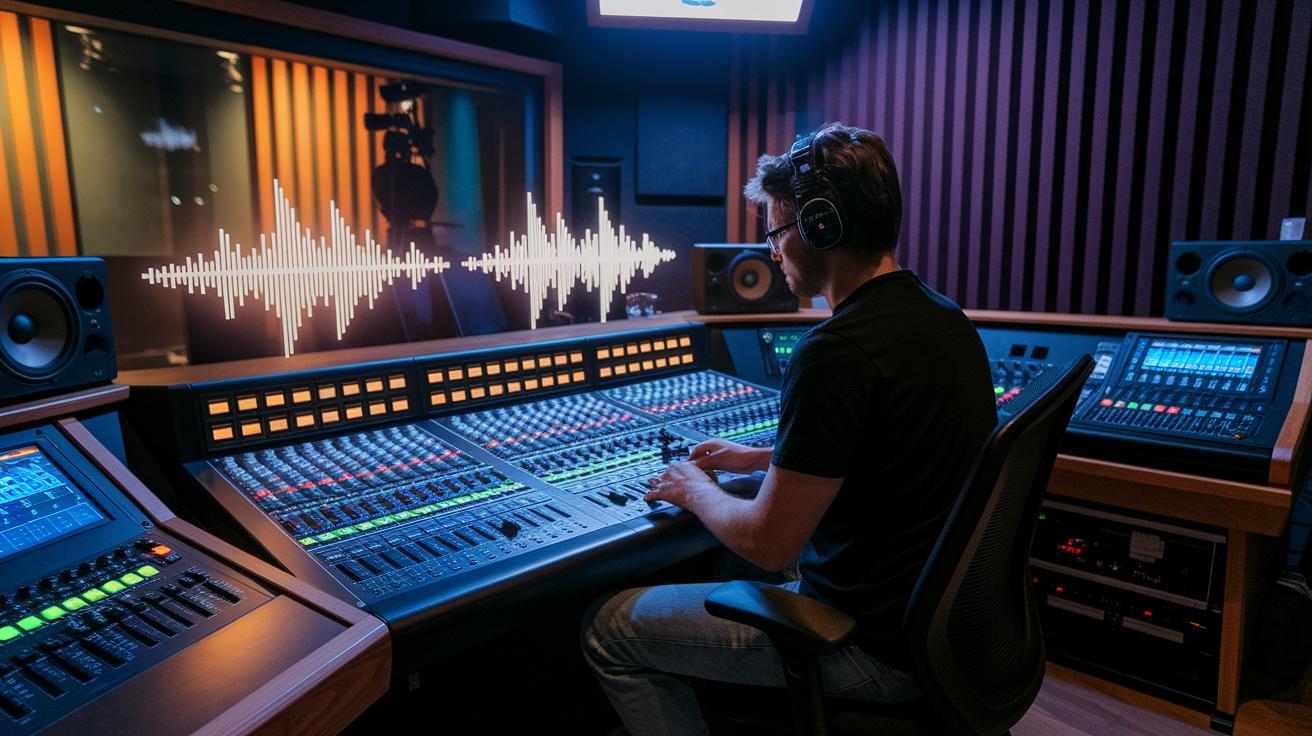
Composers are mixing fixed patterns with a touch of chance to create soundscapes that change as you listen. Imagine a tune that starts with a steady beat and then, all of a sudden, twists into something unexpected. It’s like the music is playing a fun game of hide and seek with your ears.
Deep learning is one of the tools they use. It creates little musical ideas that adjust based on where the sound is placed. Think of it as a conversation between you and the music, where soft hints prompt the track to tweak its tone and filter settings in real time, almost like it’s breathing along with you.
Some creators experiment by blending these smart algorithms with live sounds to produce surprising results. The music almost writes itself as the performance unfolds. Picture a live session in Dolby Atmos where digital technology and live input join forces, creating textures that continuously evolve. Every time you listen, it feels like a new adventure.
Producers use these techniques to build immersive structures that are both complex and adaptable. The creative process turns into an interactive experience, where the space around you becomes part of the story. It invites you to feel every beat, transforming listening into a full-on sensory journey.
Case Study: The Flow Project’s Immersive Composition Workflow
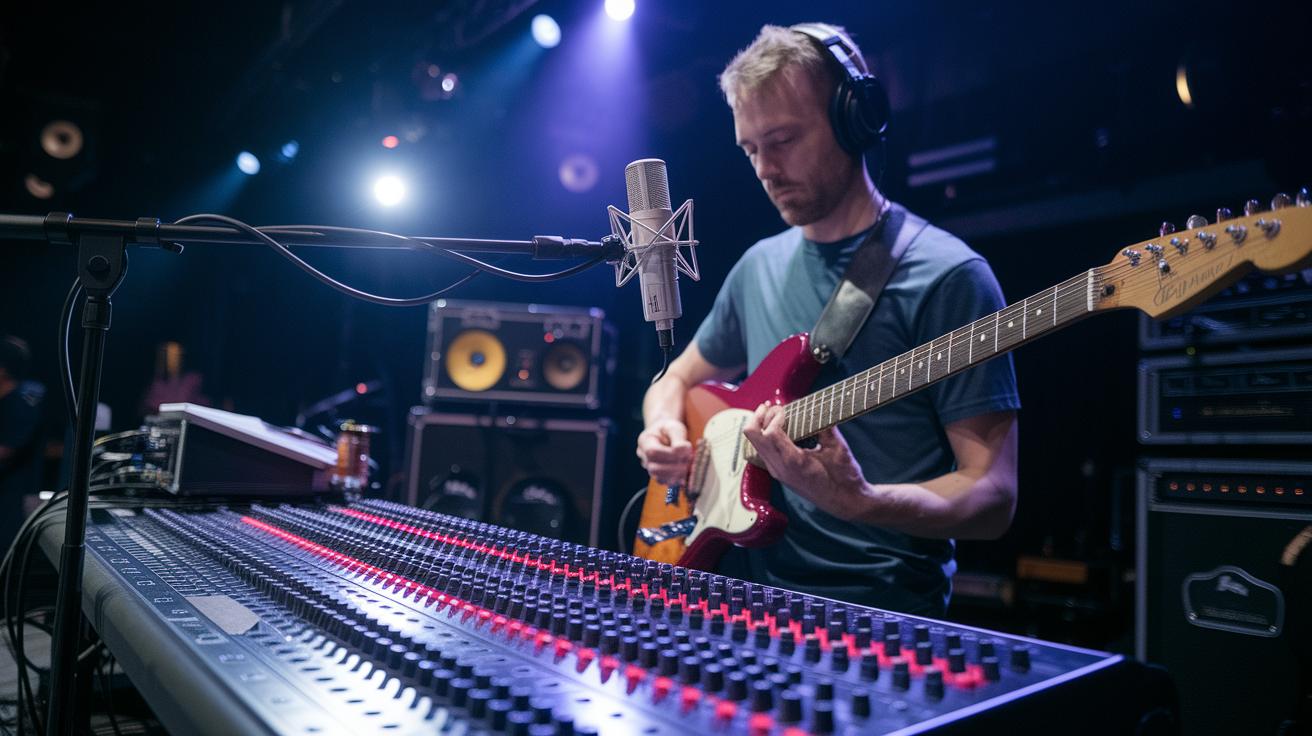
The Flow Project is a cool initiative funded by MyWorld and boosted by Digital Catapult. It changes the way we capture and layer sound by blending old-school recording with space-based techniques that make everything feel more alive. In cinema halls with top-notch immersive audio, tests have shown that mixing classic methods with new spatial tricks brings a whole new vibe to music.
At Real World Studios, one session used a mix of direct inputs and a special microphone setup to craft a smooth soundscape. For example, they combined DI-recorded guitars with a surround mic array to transform a simple recording into an interactive experience. Before these innovations, recordings often sounded flat and confined, missing out on the rich interaction with the space around them.
Now, artists can choose from different formats, stereo, mono, or immersive, which opens up a whole range of creative possibilities. This hybrid method not only expands their options but also gives each recording a unique, engaging feel.
The project’s final version is set to debut in Autumn 2025. It promises to showcase cutting-edge techniques and a fresh take on spatial audio that pushes beyond the usual recording methods.
Tools, Software, and Adaptive Setup for Immersive Music Composition
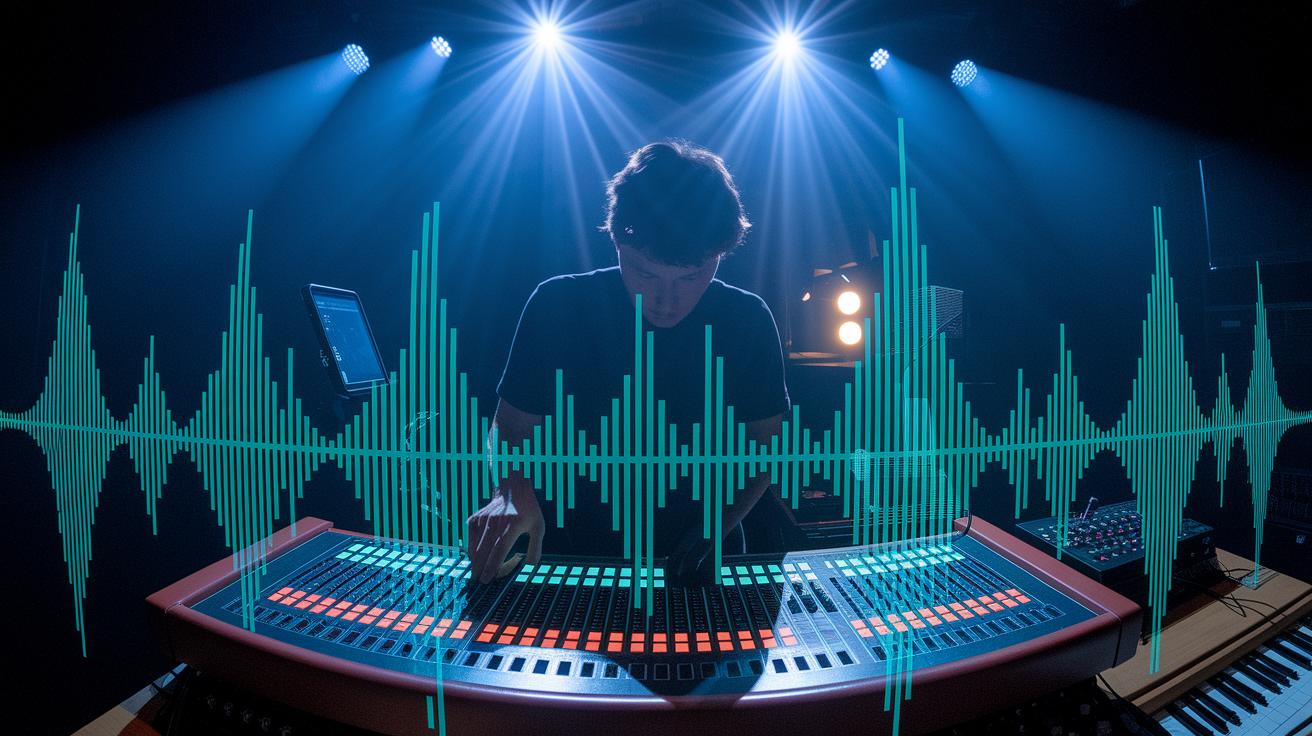
Today’s immersive music setup goes way beyond the old methods. Imagine using cool spatial mapping tools that work with flexible multi-channel systems to shape sound perfectly for each venue. Creators can tweak digital controls live to mix sound layers on the fly, kind of like watching every note dance in tune with the room’s vibe.
Now, interfaces have gotten smart enough to adjust on their own based on the crowd’s energy. Think about a live solo that changes instantly as the room starts to buzz, interactive controls let performers shift their sound in real time, keeping the moment fresh and electric.
| Component | Application |
|---|---|
| Advanced Spatial Mapping Tools | Tracking and shaping sound to match the venue |
| Multi-Channel Configurations | Layering sound to fit the venue’s unique feel |
| Live Control Surfaces | Adjusting sound in real time during shows |
Emerging Trends and Future Directions in Immersive Music Composition Methods
Music today comes in all sorts of flavors. You can easily switch from stereo or mono to an immersive mix that wraps around you. Imagine listening to your favorite track in a classic stereo version, then hitting play on an immersive mix where instruments circle you, like a guitar riff gliding from left to right as the beat plays on.
Live performances are getting a brand new spark thanks to real-time rendering engines. These clever systems position every sound onstage during a live Dolby Atmos show, making you feel like the music is moving around you. Picture a concert where the percussion suddenly seems to come up from behind before rushing forward right when the moment hits, it's like being in the middle of the action.
And now, friendly AI assistants are jumping in to make everything even cooler. They work with the setup to adjust sound placements and even create little musical phrases on the spot. In other words, they let producers mix classic sound design with fresh, data-driven ideas, adding an extra layer of magic to every performance.
Key points include:
- Multi-format releases for a variety of listening experiences
- Real-time engines powering dynamic live Dolby Atmos shows
- AI assistants that fine-tune spatial effects during a performance
Each of these trends shows how technology is making music more interactive and alive, blending creative vision with innovative sound design.
Final Words
in the action, this article explored how modern sounds come alive through spatial techniques, interactive elements, algorithmic ideas, and real-world case studies. Each part painted a picture of transforming traditional songs into engaging, three-dimensional experiences.
We walked through practical setups, clever tools, and the evolving scene of digital audio craft. Embracing immersive music composition methods opens up a lively world of creative sound experiences. Enjoy pushing boundaries and share the magic of these innovative sound adventures!
FAQ
What are some compositional techniques in music?
The compositional techniques in music include spatial placement, generative algorithms, and interactive layering. These methods blend traditional arrangements with innovative audio processing to create dynamic and engaging soundscapes.
What makes music immersive?
The immersive quality of music comes from a three-dimensional sound design that places elements around the listener, interactive controls that let the experience evolve, and layered textures that invite full audience engagement.
What is the rule of 3 in music?
The rule of 3 in music refers to using groups of three elements—such as phrases, beats, or dynamic shifts—to create a balanced and memorable structure that naturally draws in the listener.
What are the four music techniques?
The four music techniques encompass spatial audio design, interactive composition, algorithmic structuring, and adaptive setups using specialized tools, all of which work together to form an engaging and complete auditory experience.