Ever thought music could have its own heartbeat in a virtual world? Imagine stepping into a space where every beat brushes past you like it’s dancing with your every move. Immersive music in VR transforms listening into a full-body adventure that sparks pure excitement. Smart sound tricks paired with clever gear turn ordinary tunes into living, breathing journeys that mix emotion with cool technology. Stick around to see how these ideas are reshaping music into an experience you can feel deep in your bones.
Audio Integration Techniques for Immersive Music in Virtual Reality
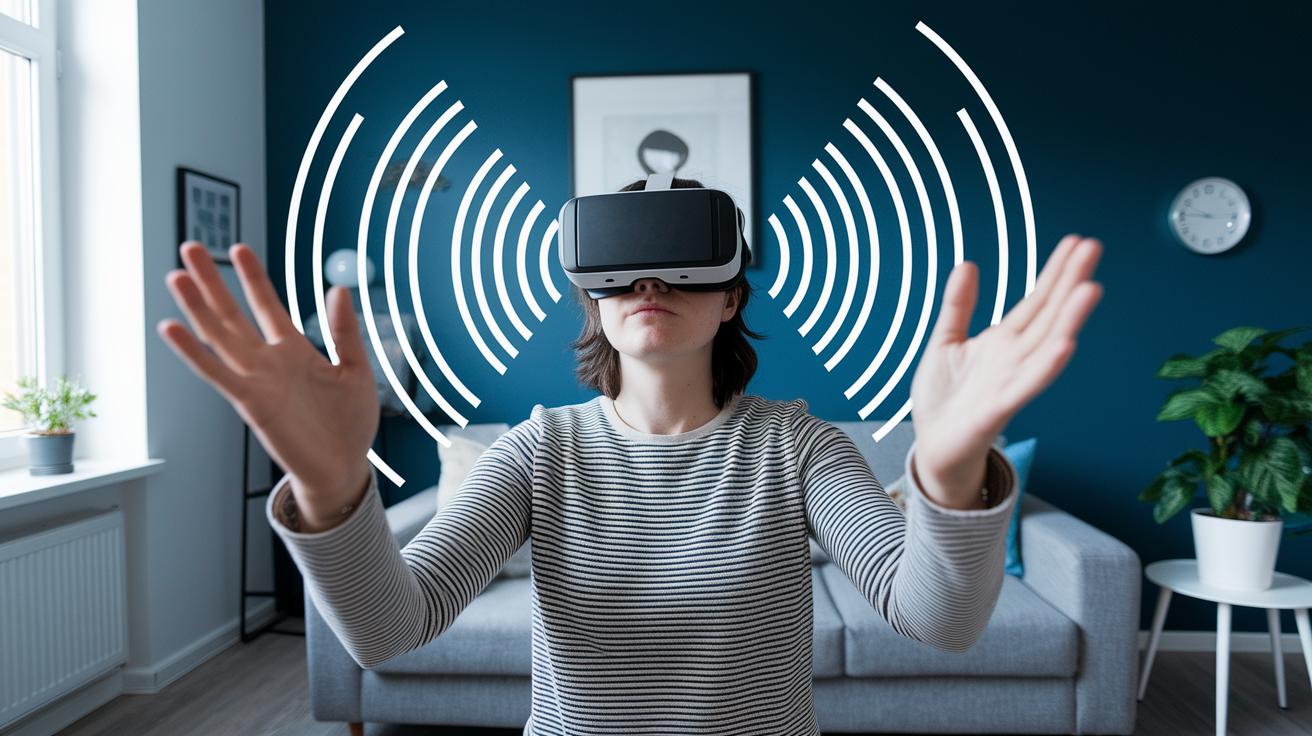
Virtual reality opens up entire 3D worlds you can step into with headsets and goggles. It’s not just about playing a tune; it’s about placing sounds all around you so that each beat and melody flows with your every move. Imagine an AI tool like CassetteAI creating fresh tracks that match your mood while the audio shifts in real time as you explore. The trick? Keeping the sound and visuals tightly synced, with delays under 20 ms ensuring you never miss a beat.
Creators use cool spatial audio tricks to build soundscapes that react to your every move. Here are some of the key methods they use:
| Technique | Description |
|---|---|
| Binaural Rendering | Wraps sound around you like the vibe of a live concert |
| Ambisonics | Creates a 360-degree sound dome that moves with you |
| HRTFs | Helps place sounds in space as if they’re really there |
| Dynamic Occlusion | Adjusts audio when objects or walls get in the way |
| Reverberation Modeling | Mimics how sound echoes in different spaces |
| Interactive Mixing | Merges all these elements to tweak the sound in real time |
Together, these techniques push VR audio way beyond regular stereo sound. They let you feel like the music is coming from every direction, just like that electric buzz you get at your favorite concert. To dive deeper into how these immersive sound worlds are built, check out How Immersive Audio Works – https://thezeff.com?p=380.
Technological Requirements for Immersive Music in Virtual Reality
Bringing immersive music into virtual reality is all about mixing sturdy hardware with smart software. Headsets such as the Oculus Quest 2/3 and Valve Index pack built-in spatial audio that makes every beat pop, almost like you're right there at a live show. Developers use game engines like Unreal or Unity, and add plugins like Steam Audio, Resonance Audio, or Oculus Spatializer to craft a full, three-dimensional sound stage. With real-time processing running at 48 kHz and 24-bit resolution, audio stays perfectly in sync with your every move by keeping lag under 20 milliseconds.
| Platform/Device | Function | Typical Cost |
|---|---|---|
| Oculus Quest 2/3 | Standalone VR headset with spatial audio | $299–$499 |
| Valve Index | PC VR headset with high-fidelity audio | $999 |
| Steam Audio | Spatial audio plugin for Unity/Unreal | Free–$99/year |
| Resonance Audio | Cross-platform spatializer library | Free |
The tech specs here really make a difference. Fast processing, powered by multi-core CPUs and GPU boosts, handles tricky tasks like sound blocking, bending, and echo effects. Developers mix in immersive sound design tricks to keep every note sweet and every echo smooth.
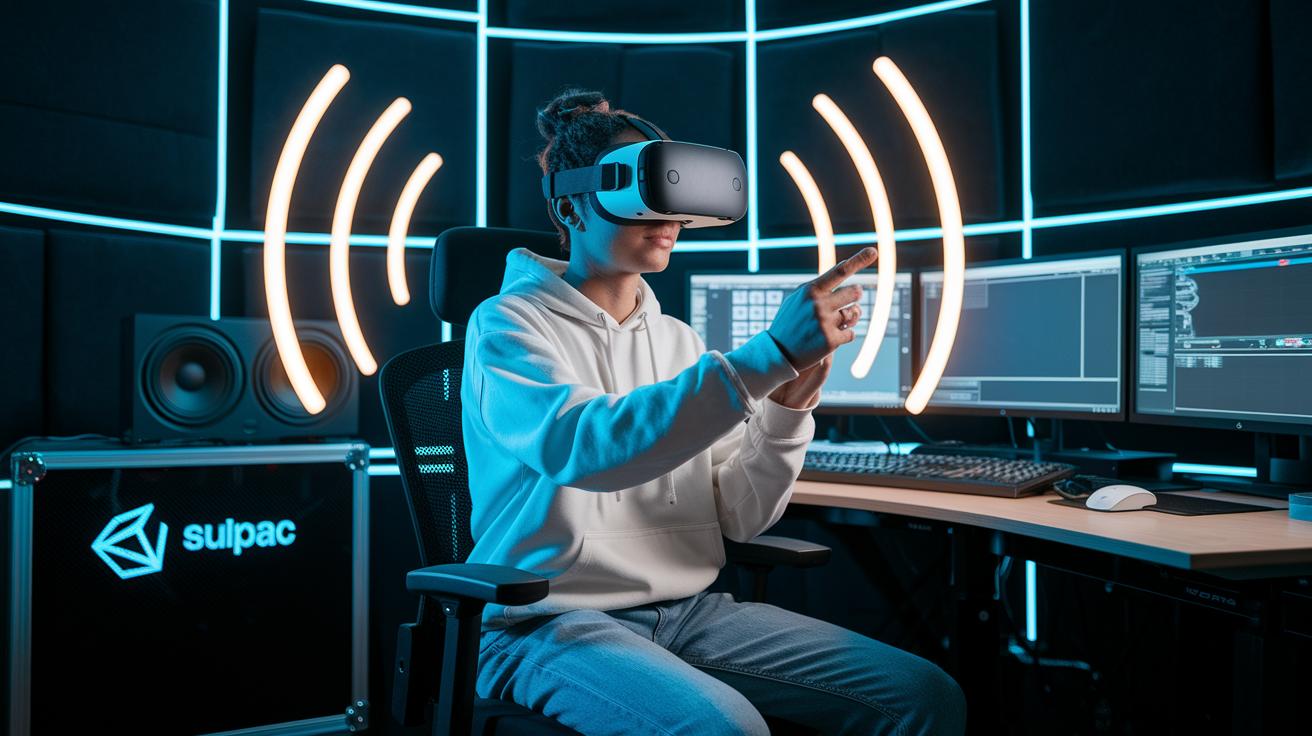
For an extra dash of realism, haptic devices like SubPac add bass vibrations that let you feel the music deep in your bones. This perfect blend of hardware and software meets high performance standards while creating a lively, interactive virtual world where every sound shines with clarity.
Virtual Platforms Powering Immersive Music in Virtual Reality
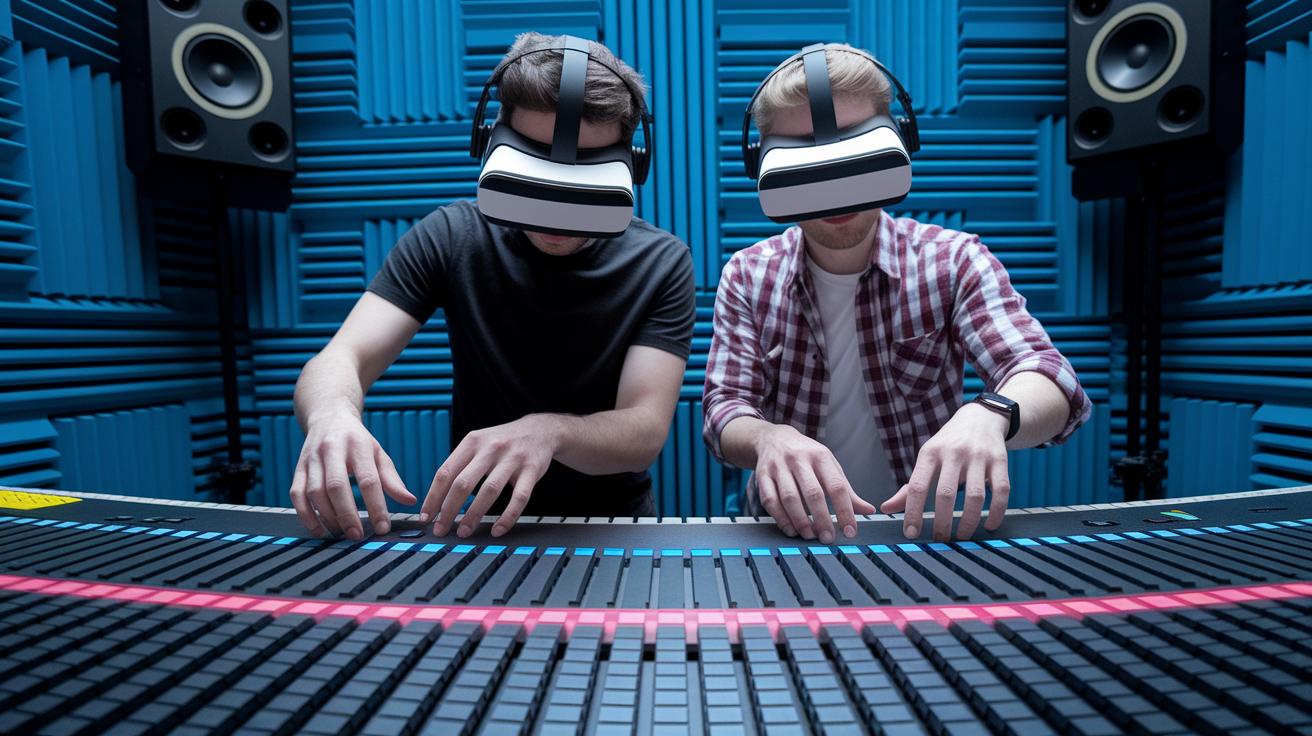
SoundStage is a cool digital studio where artists and listeners mix and play with sounds. On this platform, performers try out neat sound tricks while sharing a virtual space. Imagine adjusting live sound settings, just like playing for a room full of excited fans.
Virtuoso adds a fun visual edge to working together. In its virtual studio that looks a lot like a real stage, creative folks come together to make magic. Artists explore interactive sound worlds where every audio cue gets paired with vibrant visuals, making the performance feel quick and real. It almost feels like joining an impromptu jam session with your favorite musician.
VRTIFY sets the stage for live performances and private listening sessions in engaging digital realms. Musicians can deliver shows with smart spatial sound that reacts to every move. Whether they set the mood with gentle ambient tunes or pump up the energy for a high-octane set, the immersive 3D visuals make each note feel like you’re right there in the front row.
Soundscape VR turns listening into a hands-on adventure. With simple gestures, you can tweak subtle changes in the background sound, much like how fans can shape the vibe in popular VR music videos. And then there’s WaveXR, which brought an interactive twist to a motion-capture concert for John Legend, echoing the thrill of unforgettable events like Travis Scott’s Fortnite show that captivated millions.
Audio Design Strategies for Immersive Music in Virtual Reality
Step into a virtual space where music joins your journey, matching your mood and lighting up your day. Imagine a place where every note feels like a warm invite, wrapping around you like a friendly smile on a sunny afternoon. This approach shows how reactive soundscapes can create a real connection, making every move feel like a little celebration.
As you wander through the space, the soundtrack changes with you, painting a lively picture that dances with your energy. Think of a scene where soft beats spark flashes of color in the digital world. Picture a quiet moment when one single piano note spills a wash of warm, glowing light, as if the whole place is celebrating with you. This smooth blend of music and visuals tells a story that feels naturally whole and deeply full of heart.
The experience even touches on your sense of feel. Soft vibrations move in sync with the music, echoing its gentle ups and downs. Imagine feeling a light pulse with each deep note, like the beat of your favorite song brushing gently over you. This mix of touch and sound creates an experience that is both unforgettable and full of genuine emotion.
Case Studies of Immersive Music in Virtual Reality
Travis Scott’s Fortnite concert burst onto the scene like a live explosion of energy. His performance mixed crisp in-game sounds with dazzling 3D visuals, drawing 12 million viewers into what felt like a real-life show. Imagine watching your favorite artist live, with every beat and light pulse syncing perfectly with the game world.
Gorillaz’s Saturnz Barz VR video raised the bar for interactive art. Fans got to tweak sound elements just by moving their heads, turning every moment into a one-on-one experience. It was like stepping into a personal concert where every step you took changed the music around you. The setup brought people together by mixing creativity with cool tech in a way that felt truly spontaneous.
The 2019 Bejby Blue WebAR Concert made waves as Europe’s first live show you could enjoy without any extra downloads. Without the hassle of extra apps or gadgets, the show opened up a whole new way to enjoy live music. It proved that cutting-edge tech can make live entertainment simple, engaging, and available to everyone.
Artmaster VR Piano Training earned its XR Award by reimagining music lessons as a full-on sensory journey. The experience surrounds students with sound, so each piano key and note comes alive with spatial audio. It turns learning into an interactive adventure, showing just how powerful live performance technology can be in sparking creative learning.
Challenges and Future Trends of Immersive Music in Virtual Reality
Timing really is everything when it comes to immersive music in VR. Even a blink-and-you-miss-it delay of under 20ms, the tiny gap where images and sounds need to sync perfectly, can pull you out of the magic moment. A small lag feels like when your favorite song skips a beat, breaking the vibe completely. And get this, only about one in four concertgoers used AR/VR gear in 2023. That shows we still have a way to go in making this tech comfy and cool enough for everyone to jump in during live events.
Next, fresh business ideas are sparking new ways for artists to connect with fans. Virtual ticketing and XR-enhanced album drops are shaking things up. With the market set to grow from $114 billion to $442 billion by 2030, innovations like AI-powered personalization and hands-on music adventures are on the horizon. Imagine a world where every note feels custom-made for you. Projects like Immersive Art and Digital Storytelling are merging sound, visuals, and interactivity, paving the way for creative collaborations that feel fresh and personal.
Then there’s the exciting world of haptic feedback. Picture this: feeling the deep rumble of bass pulses through your body as you move around in a virtual space, it’s like the music is giving you a high-five. Developers are busy mixing responsive audio with touch sensations from haptic devices, pushing the frontiers of VR music. This blend of sound and touch might just change the way we experience our favorite beats in digital realms.
Final Words
In the action, we walked through key audio integration techniques, explored the tools that power virtual platforms, and checked out fresh audio design strategies. Case studies showed how immersive music in virtual reality connects tech with creative storytelling to give fans an interactive experience like no other.
New challenges and emerging trends point to even brighter days ahead in digital entertainment. The future holds plenty of potential for memorable, shared moments that bring people together in a world of live, interactive fun.
FAQ
What do Reddit discussions reveal about immersive music in virtual reality?
Reddit discussions on immersive music in VR highlight personal experiences, tech tips, and creative setups where users explore how spatial audio and interactive visuals transform digital concerts into engaging, lifelike soundscapes.
What insights can an immersive music in virtual reality PDF provide?
An immersive music in VR PDF typically explains spatial audio techniques and integration methods, detailing technical specs and guiding steps to craft realistic, interactive sound environments for virtual reality experiences.
What are some examples of the best immersive music experiences in virtual reality?
Some standout examples include VR concerts that combine 3D audio, real-time interactivity, and dynamic visuals, letting users feel part of live performances that adapt to their movements and engagement.
What does immersive mean in virtual reality music?
Immersive music in VR means crafting an audio experience that surrounds you with 3D sound, placing and moving sounds around you in real time to create a captivating, lifelike encounter.
How is virtual reality used in music, and what is VR music?
VR music integrates high-quality spatial sound and interactive visuals, delivering a live performance feel in a digital space that turns music listening into an engaging, multi-sensory event.
How do augmented reality music and 360-degree music videos enhance music experiences?
Augmented reality music overlays digital sounds onto your real-world view, while 360-degree music videos offer fully encompassing visuals, both expanding traditional listening into a complete audiovisual event.
Is immersive VR truly possible in today’s technology?
Immersive VR is achievable through real-time audio interactivity, precise synchronization, and advanced spatial sound techniques that together create a digital environment where sound and visuals integrate seamlessly.