
Ever wondered why some companies spark with fresh ideas while others stick to the same old routine? Open innovation is like inviting unexpected friends, customers, start-ups, or research teams, into your creative process. It’s a bit like finding that secret spice that turns an ordinary dish into a crowd favorite.
In this article, we share how mixing your in-house talent with new insights from outside can lower costs and build a brand that really stands out. Think of it as blending a familiar recipe with a dash of magic to create something truly exciting.
Defining Open Innovation and Its Core Benefits

Open innovation is a smart approach where companies invite fresh ideas from outside partners like customers, start-ups, research groups, even competitors. Instead of relying only on their own labs, businesses now mix in outside perspectives to light up new solutions. Imagine how many companies missed out on cool ideas by sticking only to in-house work!
This way, a wider range of creative minds joins the process. In truth, it means lower costs and a brand image that really shines. Companies that welcome outside ideas often see extra revenue, a boost in employee spirit, and a competitive edge that makes a real difference.
And it’s like building an all-star team, everyone adds their special skills to create something amazing.
The benefits are clear:
- More creative minds joining product creation
- Lower costs by sharing development expenses
- Stronger brand trust and loyal customers
- New revenue opportunities that widen market reach
- Boosted motivation from a shared, energetic culture
All in all, blending your own talents with fresh, outside input helps move big ideas forward fast. Open innovation shakes up old routines by keeping the creative energy flowing, modernizing how companies grow and stay ahead in a fast-changing world.
Exploring Open Innovation Models and Frameworks

Open innovation is all about welcoming fresh ideas from outside and mixing them into a company’s own efforts. It lets teams tap into a vast pool of creative minds and useful know-how.
The first approach, called outside-in, means bringing ideas from the outside into the company. Imagine a team that catches wind of a cool tech breakthrough from a small start-up and decides to weave that idea into their own products. It’s that external spark lighting up the whole lab.
Then there’s the inside-out model. This one turns old or unused ideas inside the company into something great when shared with the right partner. Think of it like discovering a hidden treasure in your research files and handing it off to a friend who knows just how to finish the masterpiece.
Next comes the coupled model, which blends the best of both angles. In this case, companies join forces and mix their internal smarts with fresh external inputs. For example, two firms might swap their insights or technology to create something new that neither could build on its own.
Lastly, we have collaborative innovation. Here, several companies gather their resources and expertise to tackle a challenge together. It’s like a team of experts, from research labs to industry pros, uniting to solve a tough problem that benefits everyone involved.
These ideas have roots in older practices where companies used to work closely with suppliers, customers, universities, and start-ups. Today, smart tools like the UNITE Business Model Canvas, the UNITE Jobs-to-be-Done Map, and the UNITE Value Proposition Canvas (each racked up thousands of downloads each month) help pave the way for clear and effective collaboration.
The Open Innovation Process: From Preparation to Agreement

Imagine mixing your company’s own smarts with fresh ideas from outside sources to create something new. That’s the magic of the open innovation process, a simple, step-by-step plan that brings together in-house know-how and external creativity. It’s like setting the stage for a live show where everyone plays a part, sharing their best ideas and skills.
First up is the Preparation phase. Here, teams pinpoint their most important needs and lay out clear rules for teaming up. This stage is all about setting a solid foundation. Companies decide which challenges matter most and what winning really looks like. Picture it like discovering a secret: one small startup once found that clearing up their project needs sparked a breakthrough that turned a rough idea into a big market hit.
Next comes the Discovery phase. During this time, teams dive into a creative hunt, gathering a wide range of ideas without giving away too much of their secret sauce. Many companies even host open calls or fun idea challenges where creative minds from everywhere step up. It’s all about collecting as many fresh thoughts as possible to meet those key needs.
Then we move to the Evaluation phase. Here, the focus shifts to sorting through all the ideas. Teams take a close look at each one using simple checklists, much like picking the best tracks for your perfect playlist. With clear criteria in place, it’s easy to decide which ideas hit the mark and deserve a closer look.
Finally, in the Agreement phase, the magic starts to turn real. Innovation Seekers and Solution Providers join forces formally, whether through small-scale tests, sharing of intellectual property, or even a joint venture. This is where the plan comes to life, turning a cool idea into a practical, working solution that benefits everyone involved.
Real-World Examples of Open Innovation in Action

Take Samsung for example. This well-known tech company teams up with small startups and university researchers to uncover breakthrough ideas. Picture a tiny team coming up with a bold sensor design that turns a regular gadget into something out-of-this-world. Fun fact: a modest university lab project grew into a smart device that completely changed mobile photography.
General Electric mixes industry challenges with global contests. They invite engineers from all over to pitch fresh solutions for tough problems. Imagine a young engineer scoring big with a design that boosts energy efficiency. Procter & Gamble does something similar with their Connect + Develop program by welcoming outside inventors to help improve everyday products. Even the things you use at home can get a kick of creativity from this approach.
LEGO proves that fans can really shape a brand. Think about a devoted builder who comes up with a new brick design that soon takes the world by storm. And then there’s NASA’s prize contests, where science meets public passion. Someone might share a story like, "My idea for better earth observation turned into an award-winning project," sparking more cool research ideas.
IBM also shows off its creative side by working with developer networks and open-source platforms to keep refining its tech. Meanwhile, the National Institutes of Health set a high bar by giving IdeaScale a $6 million contract to crowdsource research solutions. All these examples show how open innovation not only drives new products and services forward but also invites a global mix of creative minds to solve problems together.
Overcoming Challenges and Driving Successful Open Innovation
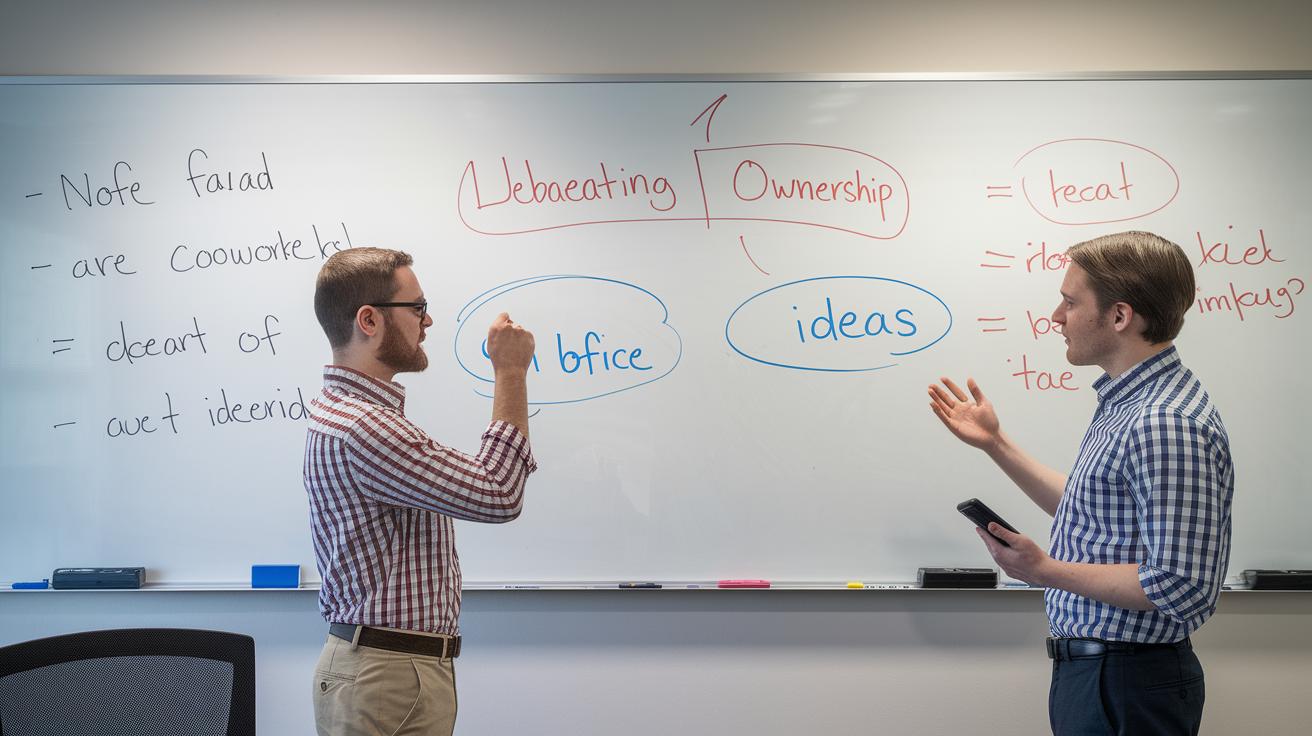
Companies often hit rough patches when trying to bring in fresh ideas from outside. It can get tricky with who owns what and fitting new ways into everyday routines takes extra time. Imagine a project where teams hold back on sharing cool concepts because they’re not sure who gets credit. This kind of confusion can really slow things down.
Switching up how things work can feel like extra weight on everyone’s shoulders. Sometimes, leaders find that the plans for open innovation don’t quite match the current company goals. This mismatch leaves teams wondering which ideas to push first. One team once said, "We had brilliant ideas but struggled to fit them into our traditional framework." Even very smart teams can find these choices tough.
The company culture matters a lot too. Some people worry that sharing outside ideas might mean losing control over their work. Shifting this mindset requires opening up at every level, from the R&D labs to HR and finance. It’s about making space for creativity all around.
The secret to pushing through these challenges is to set clear goals, get top leaders like CEOs to show the way, and build a solid process for checking each new idea. In truth, success comes when a strong, creative culture meets a smart plan.
Think of it like tuning an instrument. With the right tweaks, the clear, full sound of open innovation can spark new, creative business wins.
- Clear strategic objectives
- Active executive sponsorship
- Robust evaluation processes
- Cross-boundary idea fusion
Emerging Trends and Future Directions in Open Innovation

Companies all over the world are stepping outside the old lines of ideas to explore new ways of innovating. They’re setting up vibrant digital hubs where creativity flows freely, inviting fresh minds from government, schools, and local communities. Did you know a small digital hub in a mid-sized city recently brought together local talent and international experts, leading to a breakthrough in sustainable design?
Online creativity is booming too. More and more businesses are turning to the internet to collect ideas quickly through crowdsourcing. Picture it like a live jam session where each person’s contribution adds a unique note, creating an exciting, blended final masterpiece.
Looking into the future, many companies are pairing smart AI tools with human insights to create even better ideas. Imagine an algorithm picking out promising concepts, then a creative team fine-tuning them into real-world solutions. This mix makes the world of innovation flexible, lively, and ready to match the changing needs of the market.
Final Words
in the action of open innovation, this post sparked fresh insights on how companies team up with external partners to create smarter ideas. It walked you through creative models, clear step-by-step processes, and real examples from major brands that mix in-house talent with outside expertise. The piece highlighted challenges and implied that blending different approaches can lead to innovative breakthroughs. It leaves a feel-good, excited vibe about future trends in interactive, digital entertainment that you’re bound to love. Enjoy the ride ahead!
FAQ
What does open innovation mean?
The phrase open innovation means companies mix their own research with ideas from outsiders. This helps them create new products, lower costs, and bring in fresh perspectives.
What is an example of open innovation?
An example of open innovation is when a company works with startups or online communities. For instance, LEGO collaborates with fans to co-create product ideas.
What are the types of open innovation?
The types of open innovation include inbound, where ideas are sourced from outside; outbound, where unused ideas are shared; and coupled, which combines both strategies.
Who is the father of open innovation?
Henry Chesbrough is considered the father of open innovation. He introduced the concept that companies should use external ideas alongside internal research to grow.
What is an open innovation book?
An open innovation book explains ways to source ideas from outside a company. Such books often show how blending internal and external perspectives leads to creative solutions.
What does open innovation in business involve?
Open innovation in business involves teaming up with external partners like research groups or startups. This mix of ideas helps reduce costs while boosting creative problem solving.
What is an open innovation company?
An open innovation company actively seeks solutions from external experts, customers, or partners. This approach helps them speed up product development and drive growth.
What is an open innovation model?
An open innovation model outlines a framework that guides companies to blend internal research with external ideas. It shows how to integrate outside talent into innovation processes.
What are the benefits of open innovation?
The benefits of open innovation include a broader pool of ideas, lower development costs, faster market entry, and improved product offerings by combining external and internal insights.
Where can I find open innovation PDFs?
Open innovation PDFs are available online through academic websites, industry reports, and company resource pages. They offer guides and case studies on applying open innovation practices.



cenforce red pill
cenforce red pill
semaglutide compresse dosaggio
semaglutide compresse dosaggio
semaglutid tablett pris
semaglutid tablett pris
topiramate moa
topiramate moa
cialis generic for sale
cialis generic for sale
vardenafil reddit
vardenafil reddit
normal flagyl dose
normal flagyl dose
bupropion uses rxlist
bupropion uses rxlist
generic xenical reviews
generic xenical reviews
ketoconazole for Malassezia
ketoconazole for Malassezia
terbinafine nail fungus treatment article
terbinafine nail fungus treatment article
sildenafil pharmacodynamics
sildenafil pharmacodynamics
Alcohol Interaction Resource
Alcohol Interaction Resource
Peak Timing Documentation
Peak Timing Documentation
OnsetDelay.online
OnsetDelay.online
sildenafil vs tadalafil guide
sildenafil vs tadalafil guide
sildenafil pharmacology
sildenafil pharmacology
what conditions sildenafil is used for
what conditions sildenafil is used for
India tadalafil brands
India tadalafil brands
SemaGLP pharmacy information
SemaGLP pharmacy information