Ever thought sound could whisk you away on an unforgettable trip? Today, immersive music isn’t just a simple tune, it’s a full-on sensory blast that pulls you right into every beat. Early breakthroughs like the old phonograph set the stage for what was to come, sparking a creative twist that made listening feel nearly alive. In this post, we dive into the rise of these thrilling experiences, showing how bold ideas have reshaped the way we connect with music and turn mere melodies into lasting memories.
Evolution of Immersive Music Experiences: A Chronological Overview
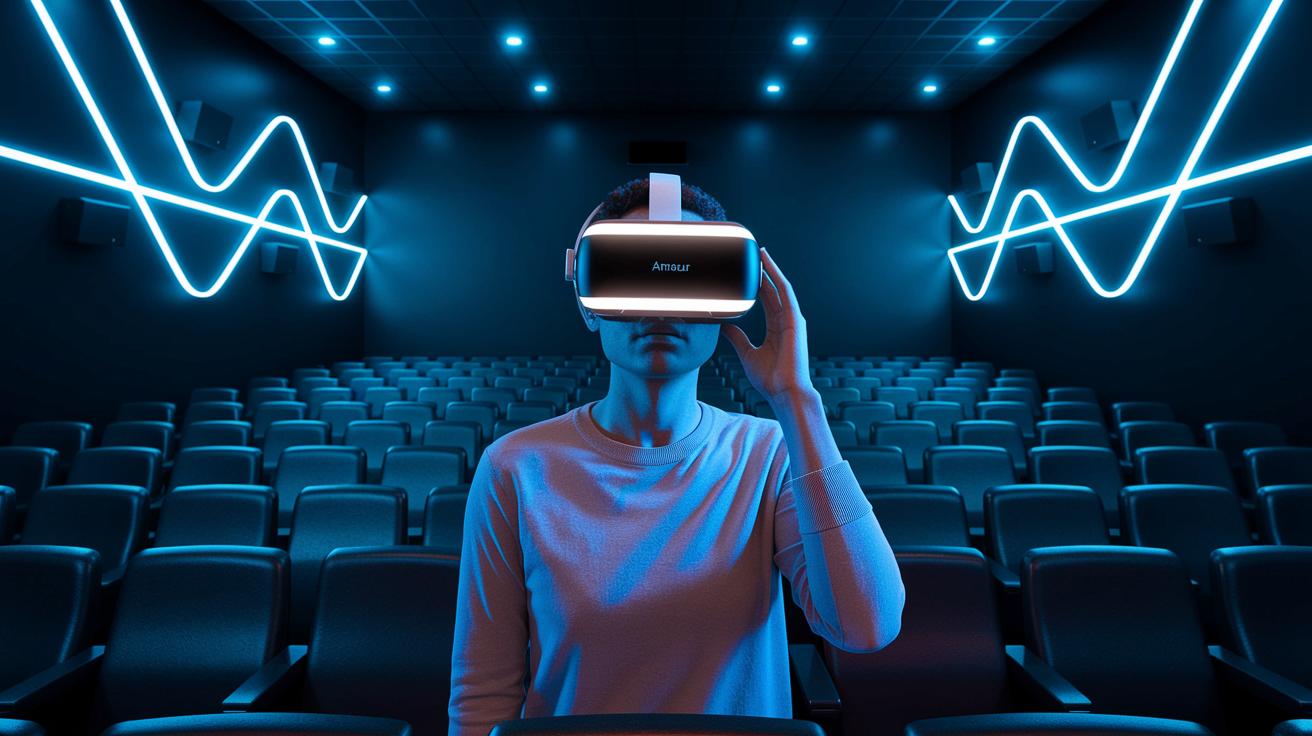
Immersive music journeys have come a long way. What began with simple recordings has evolved into multi-channel adventures that pull you right into the heart of the sound. Early breakthroughs, like the invention of the phonograph, set the stage for a whole new way of listening. And then creative minds stirred the pot with bold ideas. For example, someone even mentioned a kind of virtual world for theaters, sparking thoughts of mixing digital ideas with live shows.
Soon, experiments with stereo and binaural sound made music feel more natural, like listening to a friend speak right beside you. As stereo and quadrophonic systems hit the scene, everyday listening turned into an event that truly engaged the senses. Big moments like the 1992 SIGGRAPH performance, where VR gear like the EyePhone and DataGlove wowed audiences, and the 2018 debut of a VR instrument mimicking a bow's movement, helped push the limits of what music can feel like.
| Year | Milestone | Significance |
|---|---|---|
| 1877 | Phonograph invention and mono recordings | Laid the groundwork for recorded sound and early audio experiences |
| 1932 | First mention of virtual reality in a theater manifesto | Introduced fresh ideas about blending digital tech with live performances |
| 1933–35 | Stereo experiments mimicking binaural hearing | Enhanced sound reproduction to mimic natural hearing, drawing listeners deeper in |
| 1950s–1970s | Adoption of stereo and quadrophonic formats | Created rich, multi-channel audio experiences that felt like live events |
| 1992 | SIGGRAPH “Sound of One Hand” performance | Showcased breakthrough VR instruments, opening up brand new musical frontiers |
| 2018 | Robert Hamilton’s Cortet VR instrument | Delivered realistic aural feedback with a VR bow, pushing virtual sound to new limits |
These milestones tell a story of how creative experiments and tech innovations have reshaped what it means to experience music. They not only highlight new ways to sound but also capture changing tastes and expectations. In truth, the evolution of immersive music is a perfect blend of artistic vision and technological ingenuity, an ongoing journey that continues to surprise and inspire.
Immersive Music Through Audio Formats: From Mono to Surround
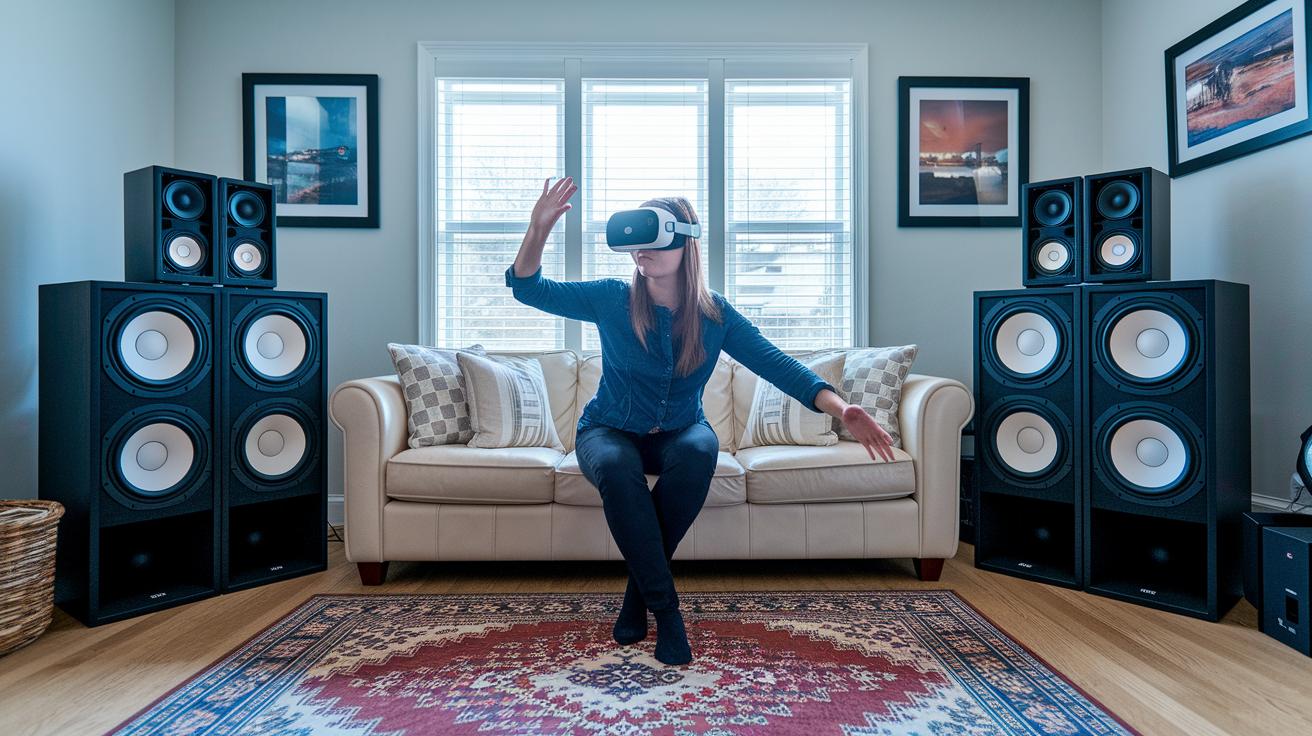
Imagine stepping into a live show every time you hit play. Multi-channel sound takes ordinary playback and turns it into an adventure, making you feel like you’re standing right at the front row. It’s like the music wraps around you, filling the room with its energy.
The journey began with simple devices like phonographs, graphophones, and gramophones that played one channel of sound. They were charming, but a bit limited. Then, in the 1930s, stereo experiments introduced a second channel to match how our ears naturally pick up sounds. Later, between the 1950s and 1970s, record labels embraced stereo and even tried quadrophonic sound, a technique that placed each note in its own spot, like a small live performance happening all around you. Ever listen to a track where the sound shifts gently across the speakers? It can feel like you’re right in the heart of the action.
When digital formats like Compact Discs, DAT, and DVDs came into the scene in the late 1980s and 1990s, the 5.1 surround system took the experience further. Now, every instrument and voice seems to have its own little home in the soundstage, making the experience even more engaging.
These tech leaps have blurred the line between live and recorded shows, creating a musical world where you don’t just listen, you live the music.
Virtual Reality Instruments in the History of Immersive Music Experiences
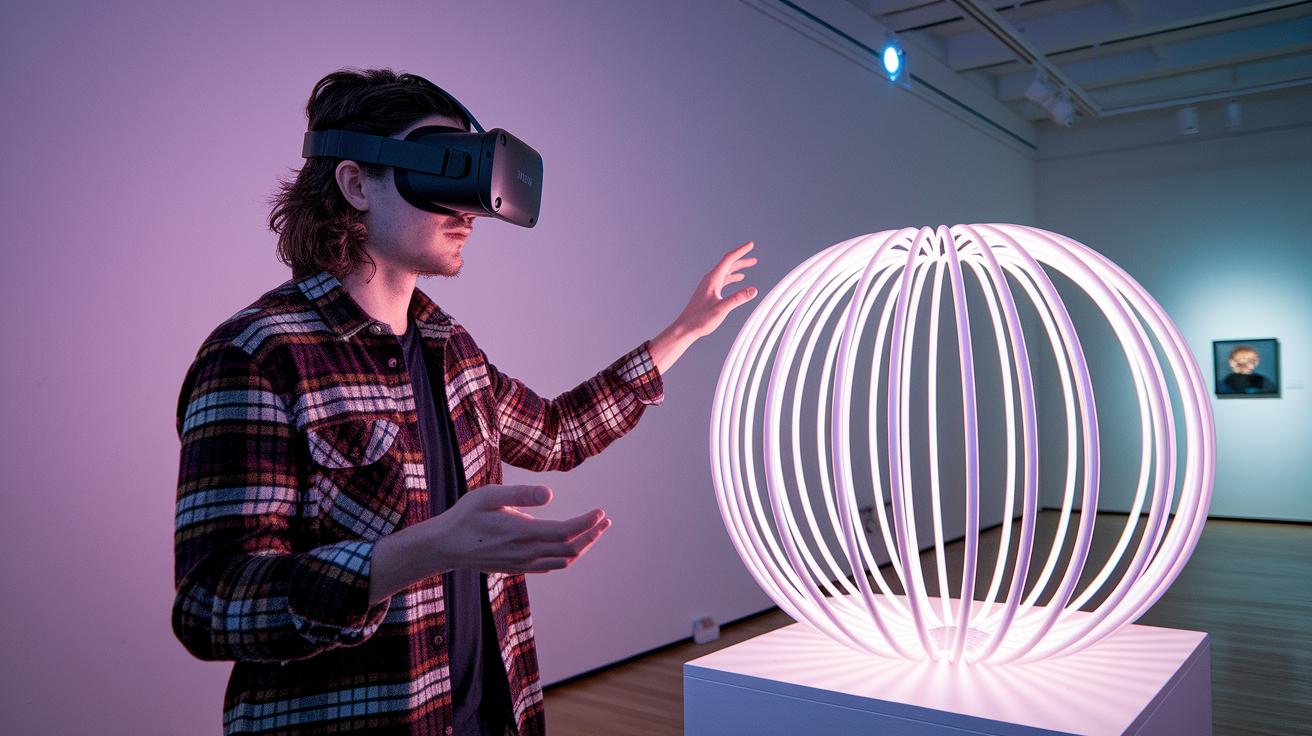
Back in 1932, a bold idea took shape. A theater manifesto imagined a stage where digital controls could stretch the limits of sound. It was like picturing your favorite tune played by tools that turn movement into music.
At SIGGRAPH in 1992, artists began to bring that vision to life. They used gadgets like the EyePhone headset and DataGlove, devices that let hand gestures create sound. Imagine a digital sax playing as every flick of the hand added new layers of melody.
By 2018, sensor technology had come a long way. Musicians used a VR bow instrument, played by a group of four, to show that digital tools were getting closer to the feel of traditional instruments. Even with all the advances, capturing the real touch of a physical instrument was still a challenge. This journey shows how virtual reality keeps pushing music into exciting new territory.
Immersive Music Experiences with Spatial Audio and Interactive Installations
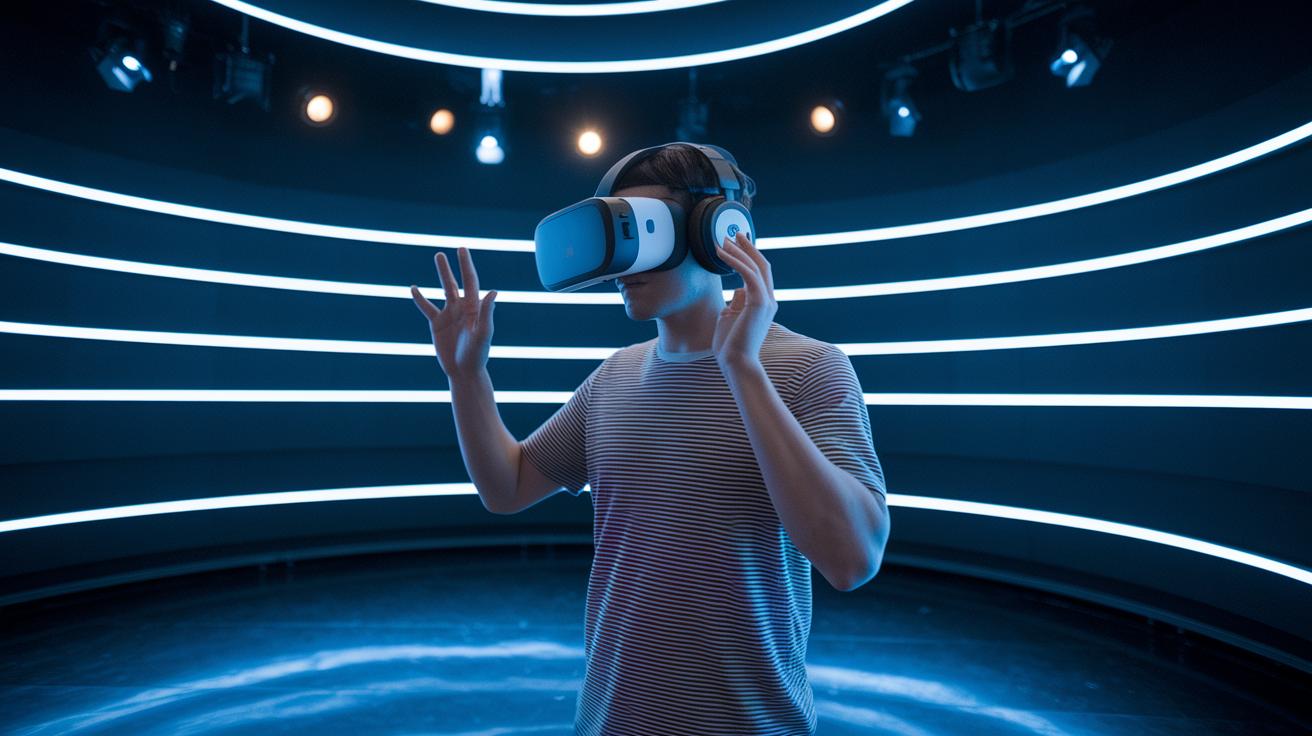
Have you ever experienced the thrill of feeling music come alive around you? Today’s gadgets like VR headsets, soundbars, and headphones let us enjoy sound in a whole new way. They build on years of learning, from simple mono to rich surround sound, making every listen feel like a live gig.
Imagine putting on your headset and hearing a guitar tune coming from your left while a drum beat snaps on your right. It’s like being at a small, intimate concert where every sound feels perfectly placed.
Art and music are teaming up too. With smart sensors and motion tracking, interactive installations let your every move bring visuals and sounds to life. When you walk around, the scene changes with you, making it feel like the art was made just for your steps.
At festivals and museums, large setups with connected speakers and changing lights are changing how we join in the fun. Picture an exhibit where your movement sparks a shower of colorful lights and swirling sounds that wrap you up in the experience. It turns simple listening into a full, hands-on adventure where everyone gets to feel the music deep down.
Future Directions in Immersive Music Experiences: Metaverse and Tactile Innovations
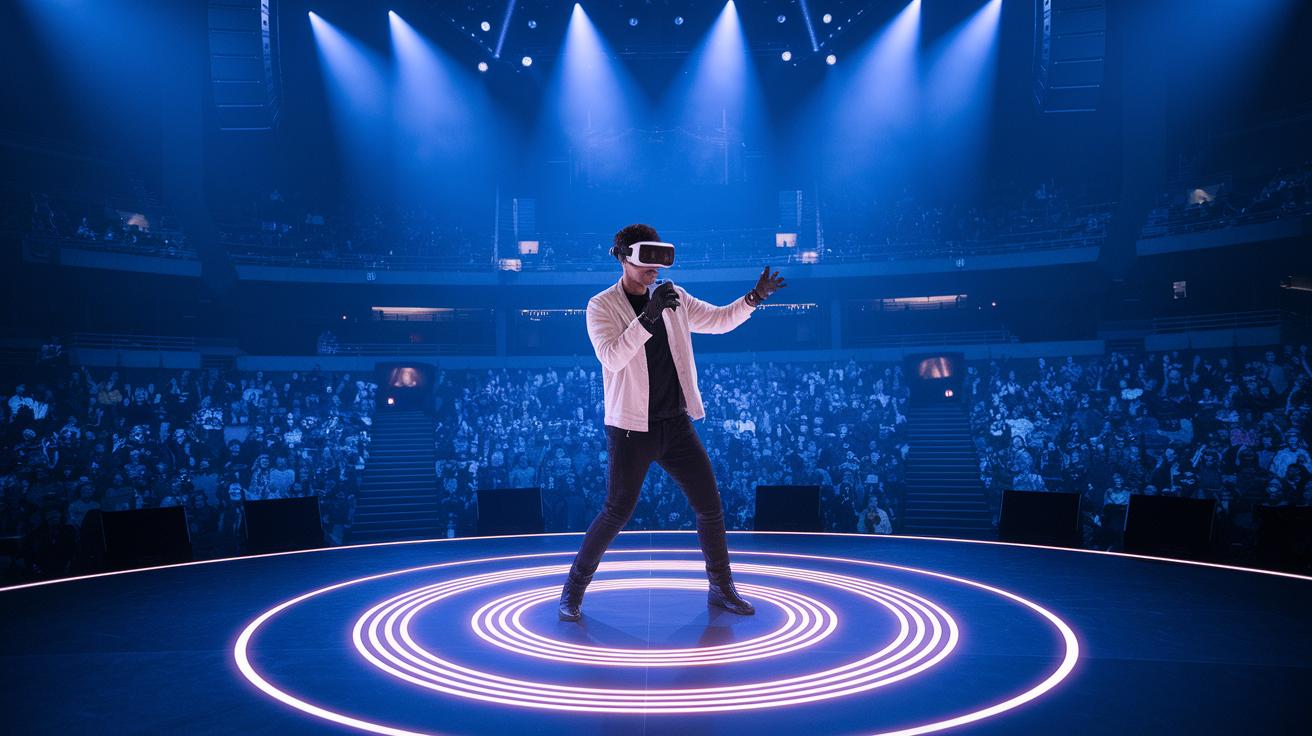
Next up in immersive music, we're shifting focus to how the performance actually feels. VR gear can be cool, but many musicians still miss that genuine touch. New ideas like force-feedback controllers and brain-computer interfaces are on the horizon to fix those tactile gaps. Picture a holographic stage where every pluck or beat gives you a real, satisfying sensation. Tech and creativity are coming together, with experts testing fresh hardware to bring digital music closer to a truly hands-on experience.
Another twist in the scene is the rise of all-virtual performance spaces. During COVID-19, digital venues exploded, letting artists perform live or share pre-recorded shows on platforms that blend physical and digital elements (extended reality, or XR, for short). These online settings are starting to feel like traditional concert halls, changing how tours work and broadening the audience reach. Plus, some pros are adding narrative design, kind of like storytelling in immersive art, to make these spaces even more engaging. As XR becomes a go-to platform, we’re likely to see live shows reinvented in exciting, cost-effective ways.
Final Words
In the action, the article took us through the exciting timeline from early mono recordings to innovative VR performances. It showcased how live, digital events evolved with every breakthrough in audio and interactive tech.
The blog stitched together each key milestone, reflecting the rich history of immersive music experiences. The insights remind us that every new twist in technology brings a chance to feel closer to live entertainment, making every moment more engaging. Enjoy the ride ahead!
FAQ
Q: What is the history of immersive music experiences?
A: The immersive music timeline spans from early mono recordings in 1877 to modern VR instruments. It documents innovations in sound reproduction and interactive installations that changed how audiences experience music worldwide, with detailed timelines often available in PDF format.
Q: What is immersive music?
A: Immersive music incorporates interactive, digital soundscapes that mix spatial audio with VR elements and interactive installations. It invites audiences to actively engage with music, creating a dynamic, multi-sensory experience that brings performances to life.
Q: What is the trend in immersive audio?
A: The trend in immersive audio embraces high-fidelity spatial sounds delivered through interactive setups and VR headsets. It combines evolving audio technologies with creative presentation to offer engaging, detailed experiences that blend live energy with digital innovation.