Ever thought that sometimes less really is more in music? Minimal tunes clear away the extra noise so that every beat feels like a soft, steady heartbeat inside you. It turns quiet moments into a stage where every little sound takes center stage, inviting you to really listen. In this chat, we'll show you how simple sounds create a chill space that lets the music breathe while your thoughts drift along.
Minimal Music: Pure Sonic Simplicity

Minimal music is all about getting down to the basics. It uses a repeating beat, moments of quiet, and tiny changes to draw you into a soothing, almost trance-like state. Imagine a song that builds slowly, almost like a heartbeat, where every note has its own little moment to shine.
This style relies on repeated sounds that keep a steady rhythm, making the music feel like a calm, meditative pulse. Silence isn’t just empty space here, it gives every sound a chance to stand out. It’s a bit like watching a sunset come alive one moment at a time.
The beauty of minimal music is in its simplicity. It invites you to listen closely, catching every small shift and pause, just like you might notice the soft glow of stage lights before a live show. By focusing on just a few sounds, it creates a space where you can really feel the music and let your thoughts come and go.
Historical Evolution of Minimal Music
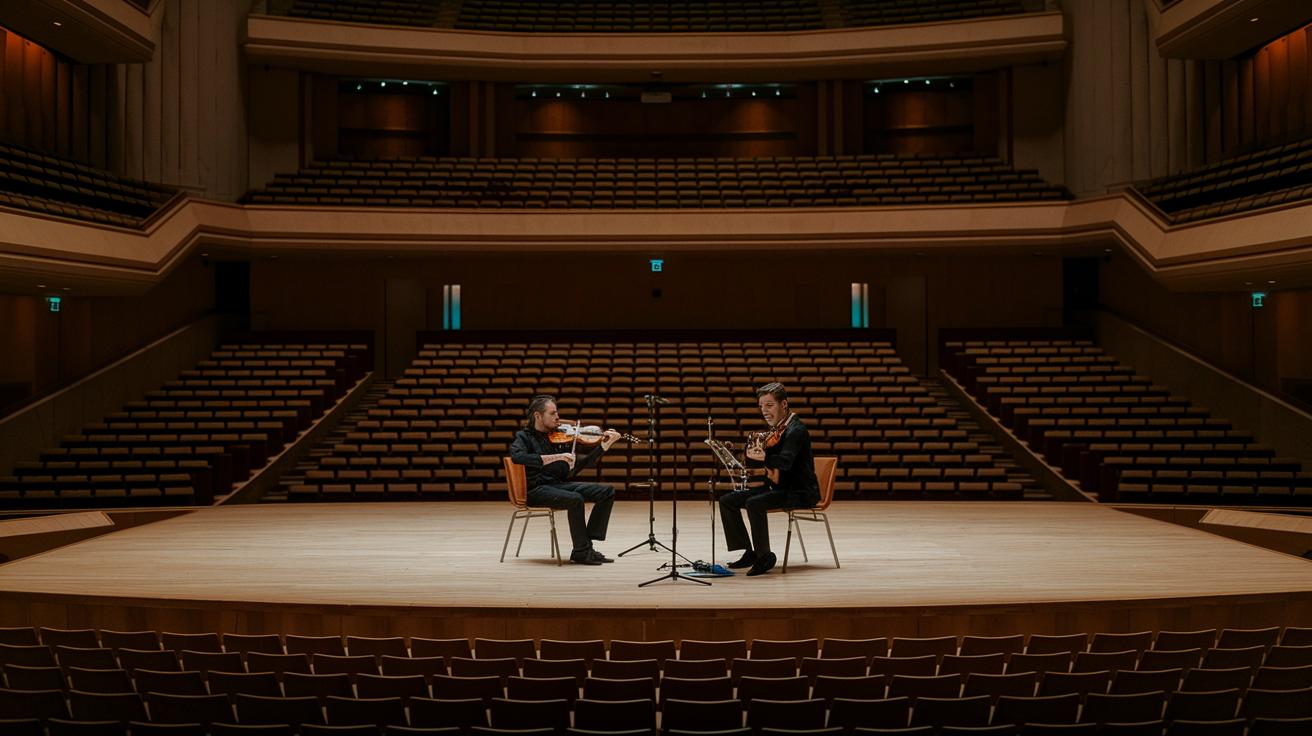
Minimal music burst onto the scene in the middle of the 1900s, shaking up the old sound with fresh ideas. It all started with Terry Riley’s 1964 work, In C, a piece that embraced repetition and got groups playing together. That simple and looping style inspired countless composers later on. Early experiments focused on tiny shifts and soft pauses, offering a clear, engaging contrast to the complex music of the time.
In February 2005, a concert by the Boston Modern Orchestra Project showed just how these ideas had grown into landmark works. At the show, each piece put a new spin on the minimal approach. For example, Elena Ruehr’s “Shimmer” played gently with little changes over constant loops, while Philip Glass’s Symphony No. 3 told a story through steady repeating harmonies. Steve Reich’s Tehillim layered rhythms that built up and captivated every listener. And then there was John Adams’s Common Tones in Simple Time, which merged simple repetition with a rich orchestra to transition from bare experiments to full, immersive soundscapes.
These standout performances proved the powerful influence of minimal music. They firmly established minimalism in modern composition, showing that even the simplest ideas can change the way we experience sound and spark fresh, creative experiments in music today.
Minimal Music Pioneers: Profiles of Core Composers
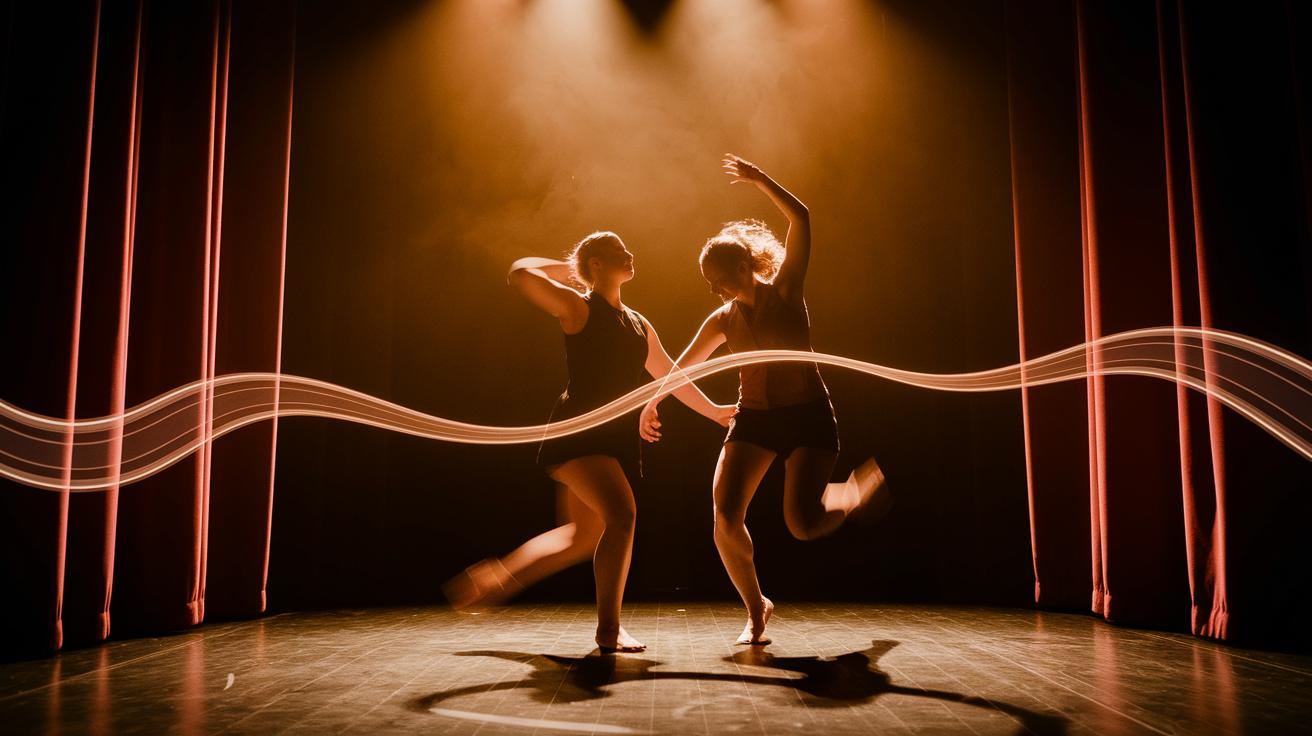
Philip Glass is famous for using repeating music cells that slowly change over time. His operas and orchestral pieces build up layers much like a painter adds color to a canvas. Picture this: listening as the music unfolds gradually, each note acting like a brushstroke in a grand painting. That’s his unique style.
Steve Reich turned the way we listen to rhythm on its head with a method called phasing. In works like Clapping Music and Music for 18 Musicians, he takes a simple beat and shifts it just enough to create a surprising, evolving pattern. Imagine a line of dancers who are just a bit off step, forming an intricate rhythm that keeps you hooked. It’s like the music is playfully chatting with time.
John Adams brings warmth and depth to minimal music by mixing simple, repetitive patterns with a full, orchestral sound. In Short Ride in a Fast Machine, he starts with something sparse and then injects energy that makes every note pop, all while keeping things simple. Think of it like watching a quiet sunrise that slowly bursts into a riot of color.
Elena Ruehr offers a modern twist on minimalism in her piece “Shimmer” by blending basic structures with gentle, lyrical phrasing. Her work draws out the emotional side of minimal music, inviting you to hear a story in every repeated sound. Imagine soft echoes carrying whispers of untold tales, simple yet deeply moving.
Electronic Austere Soundscapes: Techno, Ambient, and Experimental Textures
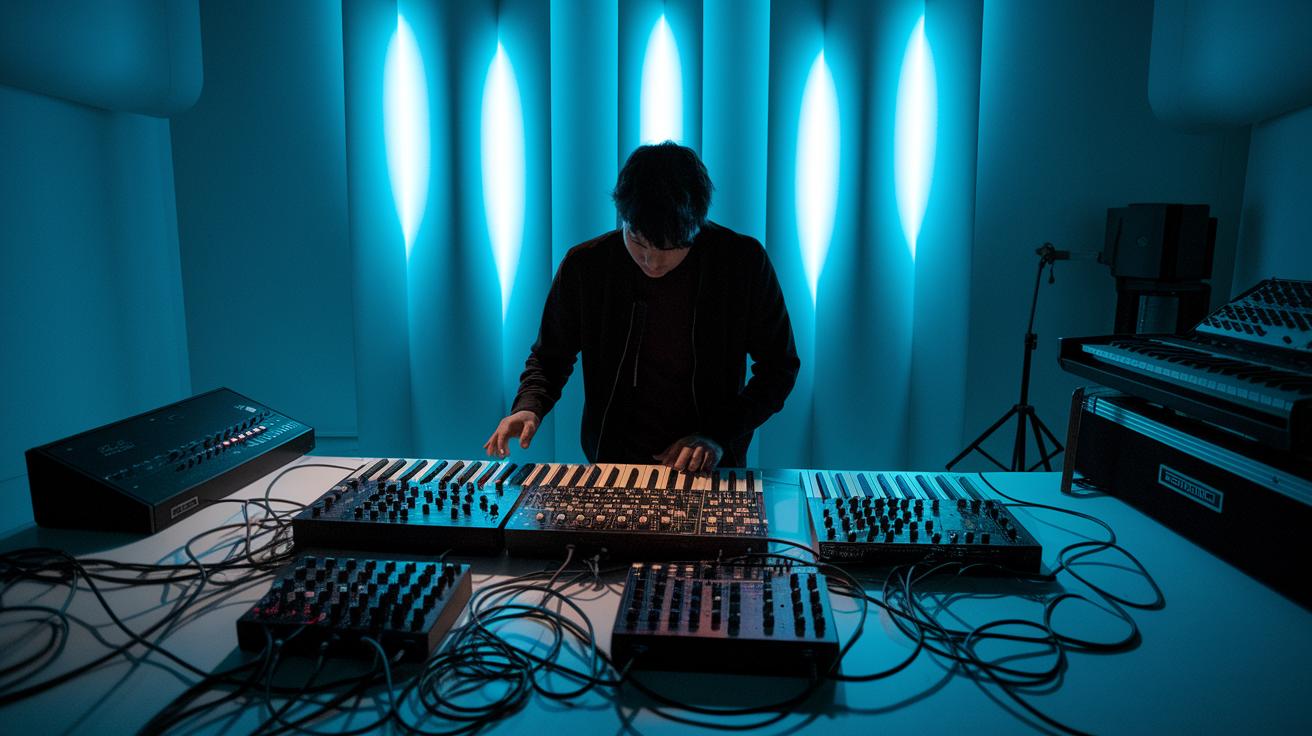
Minimal music has carved out its own special niche in the world of electronic sounds. By looping simple beats over and over, it inspires ambient drones, cool house experiments, and stripped-back techno pulses. Musicians take these ideas and transform them into soundscapes filled with gentle pulses and almost hypnotic layers. It’s like hearing a heartbeat that stays steady yet shifts subtly over time.
The magic lies in repeating patterns that slowly evolve. Imagine being in a room filled with constant, soft rhythms, almost like watching ripples spread across a calm pond. That clear, simple image captures the mesmerizing vibe of these textured sounds perfectly.
Artists also mix in experimental acoustics by playing with unusual scales and tiny shifts in tone. In plain terms, they blend offbeat musical notes with studio techniques so every small change tells a new part of the story. It feels like a slow, dreamy dance where the sounds blend and separate just like the colors in a sunset.
Even the beats get a chance to breathe. Picture a laid-back club beat that pauses just enough for a distant melody to drift by, creating an airy, experimental feel. This relaxed approach not only shakes up traditional song structures but also shows how minimal music can open up a fresh and engaging new view of electronic sound.
Interactive and Educational Presentations of Minimal Music

Imagine joining a friendly lecture, free talk, or music series where minimal music comes to life. These sessions break down tricky ideas into simple parts so you can feel the magic of a stripped-back sound. Picture a cozy room where every small beat is examined until the rhythm feels like a heartbeat, steady and alive.
Then there are live listening sessions and concerts that spark curiosity. One great example is the Boston Modern Orchestra Project’s 2005 show. Attendees get helpful program notes that guide them through each layer of sound, making it easy to catch even the tiniest shifts. It's like turning a regular concert into an interactive, hands-on lesson.
There’s also a treasure trove of blog posts and digital guides that celebrate a long-lasting love for minimal music. Think of these as online classrooms where you can explore detailed notes and real insights about how minimalism has grown over time. They invite you to ask questions, share your thoughts, and really connect with the music.
To top it off, free talks and audio maps of pieces by composers like Beethoven add a classic twist. This mix of old and new deepens the chat about how clean, lean sounds can be so moving.
Contemporary Platforms for Minimal Music: Digital Channels and Festivals

Digital channels have completely reshaped how we enjoy minimal music. Today, special YouTube channels and online festivals bring fans together around lean, stripped-back sounds. Picture joining a live stream where every beat and soft note is showcased like an unfolding art show.
Blogs and detailed guides serve as friendly roadmaps, breaking down the layers of minimal music and even comparing it to classical tunes. One post might whisper, "Listen closely to this steady rhythm, it’s like discovering a secret message in a digital hum." These insights feel like a backstage pass that brings you closer to the music.
Extra sections on these sites also show the strong support behind this musical style. Impact funds, grant programs, and local events help launch new projects, giving creative ideas room to grow. It’s much more than just money, it builds a community where artists and fans learn from each other.
Virtual concerts and digital festivals mix intimacy with a grand, open vibe. Imagine watching a live stream where minimalist visuals light up your screen, echoing the music’s simple lines. This blend of smart technology and community spirit keeps the pulse of minimal music beating strong all over the world.
Techniques and Aesthetics of Minimal Music Composition

Minimal composers craft sound worlds by repeating catchy motifs and layering soft, steady textures with small, gradual changes. Think of it as drawing with sound, where every new sound fills out a simple base to create a vivid musical picture. For example, imagine a plain beep that slowly welcomes gentle echoes, turning into a dynamic soundscape. Did you know that in a studio, a single repeated note can blossom into a rich auditory journey as more subtle layers join in?
These artists often use a cool trick called phasing. It's like watching two dancers start their steps just a bit out of sync, gracefully drifting apart and coming back together. They also build up their tunes bit by bit, allowing a single theme to expand gently. Sometimes, they mix in sounds from non-Western music or experiment with microtonal scales, refreshing the sound while still keeping that minimal vibe.
Modern production now embraces digital tools that let creators line up these repeating patterns with perfect precision. Picture a high-tech studio where sleek hardware meets intuitive software, working together to polish each loop until it shines. The newest digital tools blend seamlessly with traditional instruments, resulting in a setup that feels both innovative and timeless.
Innovative sequencer programming forms the heart of minimal music, making sure every note plays with clear, vibrant energy. The outcome is a sound that is as carefully crafted as it is naturally flowing, where smart technology meets creative spark in every minimalist beat.
Final Words
In the action, the post took us through the basics and rich history of minimal music. It highlighted the simple beats, steady pulses, and iconic works of key composers while steering us into today’s digital arenas and interactive formats.
The discussion felt like a series of backstage passes, each section unfolding new layers of creativity and inspiration. Every insight leaves us charged to explore more and share the excitement that minimal music evokes.
FAQ
Who are the influential minimal music composers?
The minimal music artists include Philip Glass, Steve Reich, and John Adams, among others. They define the style with repetitive patterns, steady pulses, and gradual shifts that captivate the listener.
What are some famous minimal music examples and how are they featured in videos?
The famous examples of minimal music include Terry Riley’s “In C” and works by Philip Glass. Minimal music videos often showcase clean visuals that mirror the genre’s repeating patterns and sparse textures.
What are the main characteristics of minimalism in music?
The characteristics of minimalism in music include steady beats, repetitive motifs, and subtle changes that together create a clear, focused sound design meant to draw listeners into a calm, hypnotic space.
Is minimal music recognized as a music genre?
Minimal music is recognized as a genre defined by its emphasis on repetition, limited tonal materials, and quiet shifts in rhythm. This format offers an immersive listening experience that feels both refined and engaging.
Who is credited with inventing minimal music?
The invention of minimal music is credited to early pioneers like Terry Riley. His work, especially “In C,” laid the foundation for the style, using repetitive sequences to create a fresh listening experience.
How is modern minimal music perceived today?
Modern minimal music is seen as a fresh blend of classic repetitive techniques with today’s digital production tools. Listeners appreciate its simplicity and focus, which invite a relaxed yet active engagement.