Have you ever thought about sound having its own story? It’s like each noise has a secret life waiting to be discovered. Sound design today mixes simple tools and clever technology to create audio that really pulls you in.
Imagine being surrounded by sound that feels as real as if you were at a live show, with every note and whisper carefully arranged. Techniques like spatial audio or binaural production, where sounds are recorded to mimic real life, work together to give you that buzzing, immersive feeling. It’s a bit like stepping right into the middle of a live event.
Artists turn everyday noises into detailed soundscapes that boost the energy of any video, game, or story. And the result is nothing short of amazing, set against the backdrop of vibrant visuals, these sound creations make every moment come alive.
Core Strategies for Immersive Sound Design
Systematic sound design techniques make audio that sounds amazing and tells a story at the same time. When you pick the right tools, understand sound waves, and break down complex noises, it’s like setting up the perfect stage for a thrilling movie scene or an electrifying music beat. For instance, start by choosing your favorite mixer and let the magic flow.
By following clear methods, you turn creative chaos into an organized soundscape that elevates videos, games, or any visual story. This approach gives artists the freedom to experiment with cool modulation and transformative effects while keeping their vision in focus. Wanna dive deeper? Check out how immersive audio works here: https://thezeff.com?p=
- Spatial audio
- Binaural production
- Ambisonics
- Surround mixing
- Dynamic layering
- Interactive synthesis
These strategies are like a trusty roadmap for creating unforgettable sound worlds. They help you build the perfect audio layers while making sure your project stays true to its story. Each section offers clear examples, handy tips, and best practices to help you design sound that truly immerses and inspires.
Spatial Audio Engineering and 3D Acoustics for Immersion
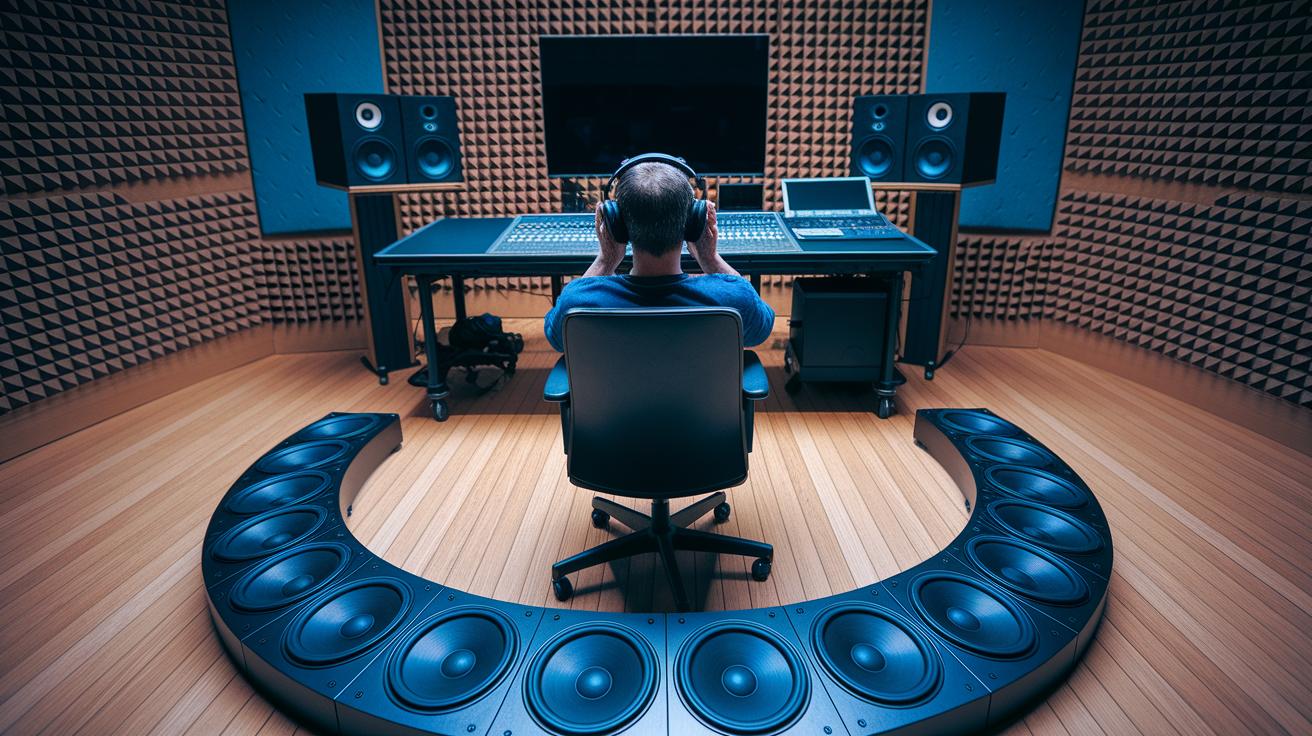
Imagine being at a live show where sounds seem to wrap around you. Spatial audio makes this magic happen by placing sounds all around in a 3D space, almost like they're dancing in the air. Designers use setups like 5.1, 7.1, and Dolby Atmos along with a cool trick called binaural rendering for headphones to get that effect just right. This approach is a hit in films, video games, and art installations because it makes every sound feel placed exactly where it should be.
Let’s break down some of the neat tricks behind this experience. HRTFs, or Head-Related Transfer Functions, capture how sound waves interact with your head and ears, giving every noise its own special fingerprint. Loudspeaker arrays bring multiple speakers together so they fill the room with sound that feels naturally positioned. And with ambisonic panning, audio can spin all around you in a full circle.
It gets even more interesting with object-based audio, where sounds are treated like little moving objects instead of just being stuck in fixed channels. This means designers can shift and adjust sounds more freely. Plus, head-tracked rendering makes sure the sound moves with you as you turn your head, adding to the real-life vibe.
Setting up these techniques takes a bit of careful tuning. Experts adjust levels, delay, and equalization to find the perfect balance. They keep an eye on everything with a spatial mixing board and test different setups so the sound remains clear and true, whether you're in a small room or a vast space. The result is an immersive sound experience that feels lively, natural, and perfectly in tune with every beat and whisper.
Ambisonics and Binaural Audio Production Methods
Recording with Ambisonic microphones turns everyday sounds into a 360° audio adventure. These special mics capture sounds from every direction, whether it's the hum of chatter, the patter of footsteps, or even subtle clinks in a busy market. Imagine standing in the middle of a bustling street where every sound comes together to create a living, breathing audio scene.
Decoding Ambisonics into a binaural format is where the process really shines. This step transforms the full-circle audio into stereo sounds designed for headphones, making you feel like you're right there. Engineers use head-related transfer functions (HRTFs), which are simple techniques that mimic how our ears pick up sound, to place every note in its natural spot.
Decoding Tools and Their Settings
Engineers get creative with decoding tools like specialized plugins. They adjust settings such as HRTF selection, delay, and equalization to craft the perfect listening experience. A little tweak, maybe boosting a frequency here or shifting the timing just slightly, can make all the difference, ensuring every sound feels right at home in the mix.
Adding custom field recordings completes the journey by layering in real-world textures. Using field recorders and samplers, sounds like rustling leaves or the murmur of a busy street are captured to inject authenticity. This step makes the overall experience feel personal and alive, just like stepping into a scene where every sound has its own story.
Surround Mixing Strategies and Advanced Reverb Design
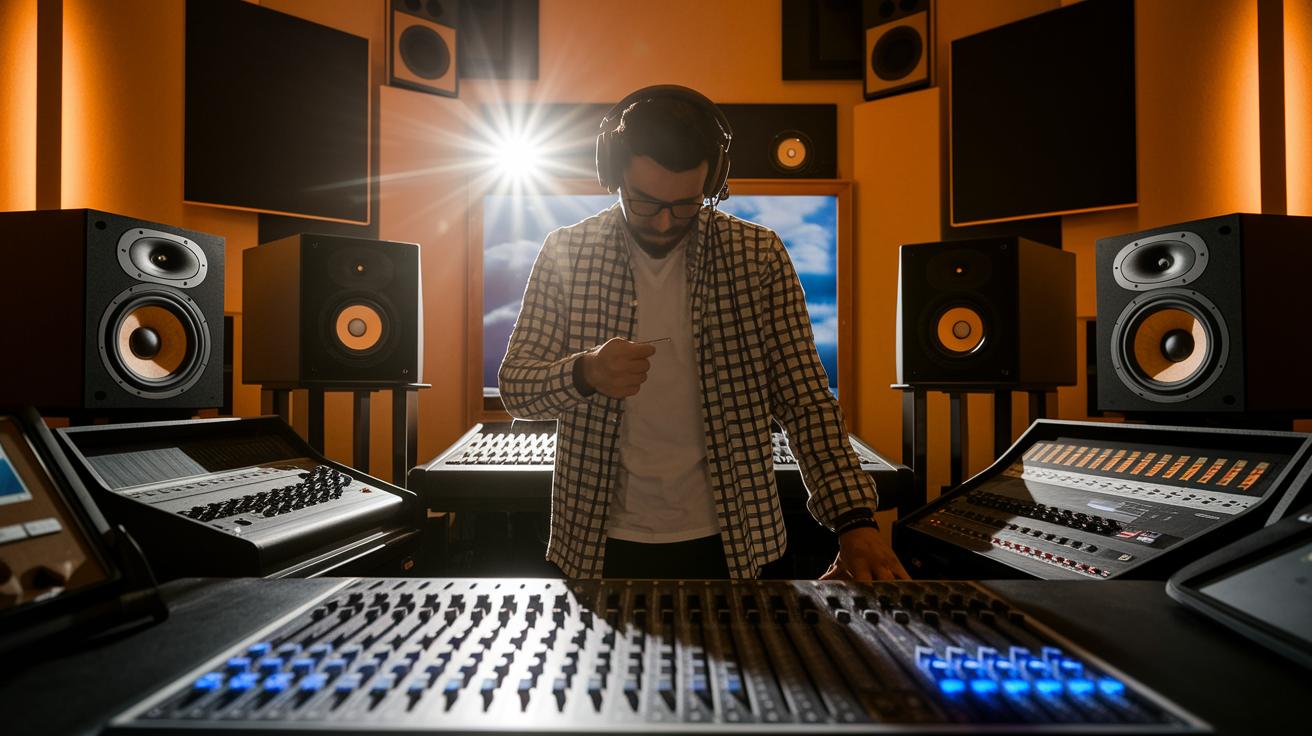
Mixing in surround sound is like painting with audio. Every speaker in your setup gets its moment to shine, adding its own flavor to a space that feels almost real. You use creative panning and smooth, automated moves to let sounds wander naturally, while reverb sends bring in layers of depth. It’s a bit like watching a live show where every beat syncs perfectly with the lights.
Here are some key tricks to master:
- Level calibration – making sure every sound fits just right.
- Panning automation – letting sounds glide as if on stage.
- Mid/side processing – giving your mix a balanced spread.
- Reverb balancing – adding roominess without going overboard.
- Channel decorrelation – keeping each sound distinct.
- Creative panning contrasts – making sure each element pops.
- Tailored reverb sends – designing the perfect echo for your space.
Getting these techniques down means really focusing on the little details. You want every sound to have its own clear spot, whether it comes from the center or the rear channels. A mix with bold contrasts highlights the main parts while still leaving room for soft, background textures. And when you mix in both algorithmic and convolution reverb models – which are just ways to mimic real-life acoustics – you create a soundscape that mirrors what you’d hear in a natural space. With the right blend of automation and careful fine-tuning, you avoid messy phase issues and end up with a polished, expansive mix that feels both grand and intimate.
Dynamic Layering and Interactive Sound Environment Techniques
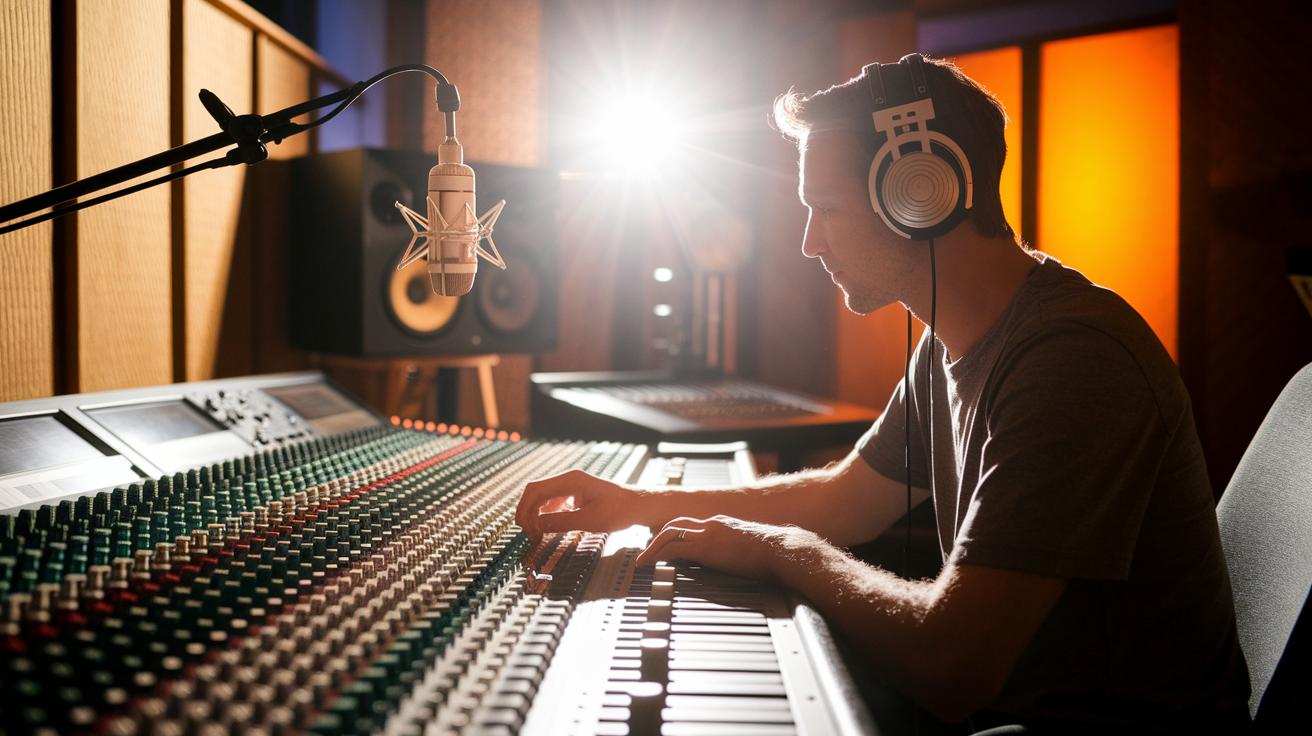
Layering basics lie at the heart of immersive sound design. Think of it as painting with sound, every texture and whisper adds to a rich audio canvas. Imagine mixing a gentle background pad with a small snippet from nature; each sound supports the overall story. A well-placed moment of quiet gives every element room to shine, inviting you to really listen.
Building these layers is like setting the stage for a live show. Each sound plays a part, creating a performance that draws you in. It’s a bit like watching your favorite band hit just the right note every time, with every audio piece adding its own special touch.
Interactive synthesis takes things to a whole new level. This process lets sounds react to what you do in real time. Picture playing a game or exploring an art space where the music changes with your every move. A soft click might trigger a melody that rises and falls in tune with your actions, turning the soundscape into a living, breathing moment.
Here are a few key methods that help create this dynamic experience:
| Number | Technique |
|---|---|
| 1 | Parameter mapping |
| 2 | Granular synthesis |
| 3 | State based triggers |
| 4 | Beat entrainment |
| 5 | Procedural audio |
Field Recording and Virtual Acoustic Mapping for Spatial Realism
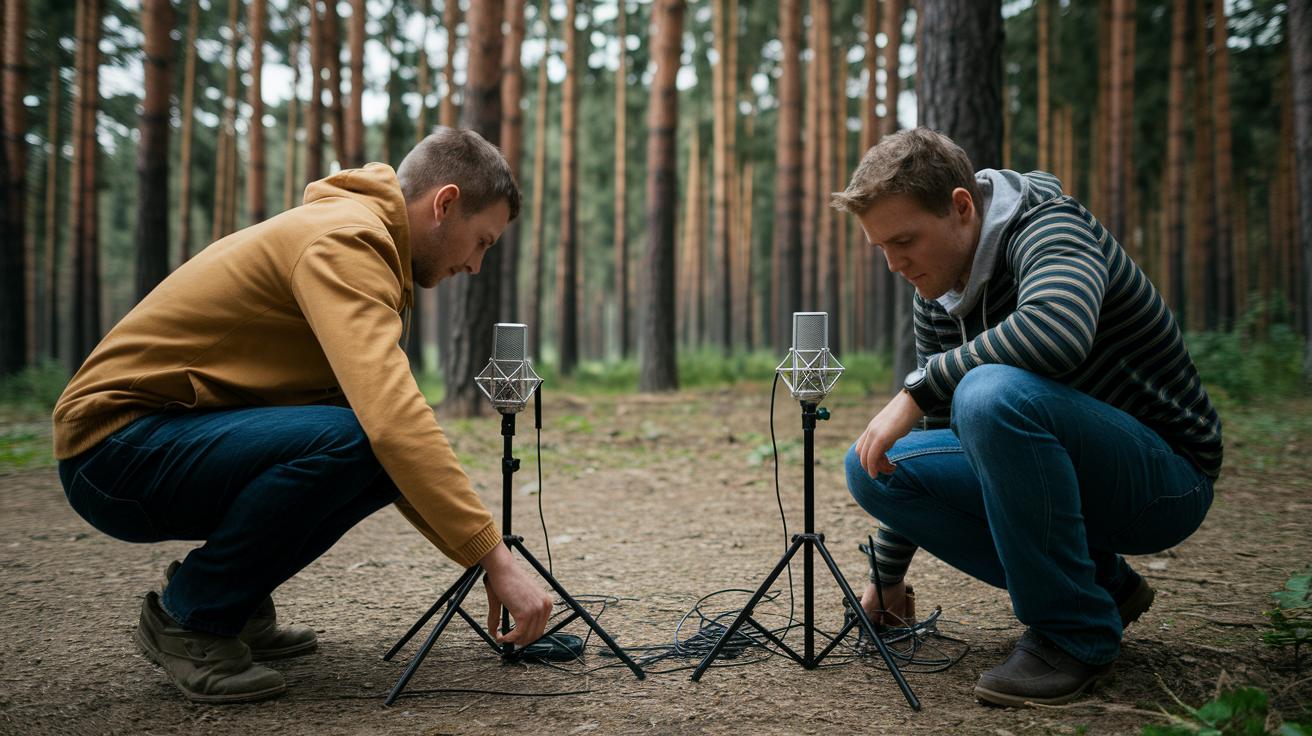
When you record live sound from different places, it all starts with having the right gear and placing your mics just right. Using a trusty digital recorder and setting your mics carefully lets you capture real sounds like chirps of birds, the soft murmur of the city, or even echoing sounds in a big hall. Experiment with different mic angles and distances so you can get a clear, natural sound that truly shows off the space.
- Try using two mics side-by-side in a forest to catch the natural feel of the surroundings.
- For grand halls, opt for Ambisonic capsules that grab sound from every direction, like a full circle of echoes.
- In the busy city, a portable recorder helps you pick up the vibrant energy of the streets.
- And when recording nature, add wind screens to keep gusts from interfering with those pure sounds.
After you’ve snagged these authentic sound bites, the next step is virtual acoustic mapping. Here, you load real-life echo profiles into a convolution reverb plugin (a digital tool that uses recorded echoes) to rebuild the unique tone of any space. This custom field sound design lets you adjust recordings, whether for subtle background noises or bold echoes in large venues, so they match your project perfectly. The end result is raw audio turned into rich, immersive layers that not only boost visual storytelling but also give you a true-to-life listening experience.
Tools, Workflows, and Future Trends in Immersive Sound Design

Today’s toolkits for immersive sound design mix powerful digital audio workstations that come with built-in spatial panners, Ambisonic encoders (tools that capture sound from all directions), and real-time rendering engines. These software tools help designers build 3D audio scenes that feel as natural as live sound. Creators like Stefan Kostaras push the envelope, while up-and-comers like Harmony Redford are fine-tuning workflows that blend surround sound and virtual console mixing effortlessly.
Engineers are now working with a mix of plugins, digital interfaces, and hardware consoles that make mixing and mastering simpler. This clear system turns complicated projects into engaging, easy-to-follow audio stories. It also sets the stage for creative work in immersive art and digital storytelling, where every sound is placed with care. The current tools not only smooth out the production process but also spark fresh ideas that match today’s visual storytelling styles.
| Tool | Purpose |
|---|---|
| DAW with spatial panners | Crafting immersive 3D audio scenes |
| Ambisonic encoder | Capturing full-sphere sound fields |
| Virtual mixing console | Simplifying surround audio mastering |
Looking ahead, tools that help AI with sound placement and cloud-based spaces for team work are going to change the way we produce audio. Future trends point to stronger ties between DAWs and networked platforms that let teams work together in real time. These new advances promise more natural, flexible production processes and push immersive sound design into bold, creative new areas.
Final Words
In the action of crafting immersive experiences, this post broke down core strategies that shape audio to energize every scene. We explored careful selection of tools, precise spatial placements, creative mixing, dynamic layering, real-world sound capturing, and forward-thinking workflows that all work together to spark creativity.
Every step illustrates immersive sound design techniques that bring your creative visions to life. Embrace these ideas and step boldly into your next digital experience.
FAQ
Immersive sound design techniques examples
Immersive sound design techniques examples include layering textures, using spatial processing, and applying creative reverb and field recordings. Each method adds depth, making the audio experience feel full and engaging.
Immersive sound design techniques in music
Immersive sound design techniques in music use layered soundscapes, spatial effects, and tailored reverb to create a three-dimensional audio field that draws listeners into a dynamic and engaging musical environment.
Best immersive sound design techniques
The best immersive sound design techniques rely on dynamic layering, precise spatial processing, field recordings, and advanced reverb effects. These methods work together to craft an audio experience that fully surrounds and captivates the audience.
How to create immersive sound?
Creating immersive sound involves selecting the right tools and techniques—such as spatial audio processing, creative layering, and field recording—to build a rich, multidimensional auditory experience that transforms how listeners perceive sound.
What are the five elements of sound design?
The five elements of sound design include volume, pitch, timbre, rhythm, and spatial placement. Each element plays a crucial role in shaping textures, creating movement, and enhancing the overall audio landscape.
What are the features of immersive audio?
The features of immersive audio include three-dimensional sound placement, depth perception, interactive synthesis, and dynamic layering. These components work together to build a captivating and realistic sound environment.
What is the difference between spatial and immersive audio?
The difference between spatial and immersive audio is that spatial audio focuses on positioning sound accurately in three dimensions, while immersive audio creates a complete, enveloping sound environment that fully surrounds the listener.