Ever wonder how a single beat can flip your mood? Hardcore electronic music packs a punch with fast, driving rhythms and bright synth sounds that hit you like a summer storm. Born from the blend of techno, house, and gabber, its lively beats and charged energy make your heart race. Each tune feels raw and alive, ready to break the rules and get you moving. So, why not dive in and let the bold sounds and electric vibes spark a fire that fills your day with pure, unfiltered energy?
Defining Hardcore Electronic Music
Hardcore electronic music exploded onto the scene in the early 1990s in Holland and Belgium, hitting like a bolt of lightning. Born from a mix of techno, house, breakbeat, and gabber, this style drops a raw, unfiltered energy into every pulse.
The beats race between 160 and 200 BPM, packing an aggressive vibe with high-energy synth sounds. Imagine a kick drum so distorted it seems to vibrate right through your chest, paired with a scratchy synth line that slices through the air.
Key to this genre are those gritty, distorted kick drums and dark, booming basslines that create a sonic landscape full of intense energy. Layered hard synthesizer sounds build a relentless, almost mechanical rhythm, while producers use keyboards, drum machines, samplers, and more to shape its iconic sound.
Picture a room alive with digital aggression, where every beat energizes the space. With its fierce, unapologetic sound, hardcore electronic music has earned its place on underground dance floors and at digital festivals around the world.
Evolution of Hardcore Electronic Music
Hardcore electronic music has come a long way since the early 1990s. In Rotterdam’s working-class neighborhoods of Belgium and the Netherlands, gabber exploded onto the scene with lightning-fast beats and a raw, edgy vibe. Gabber tracks once powered underground raves, sending shivers down every listener’s spine. This bold sound soon splintered into many exciting offshoots.
Then came happy hardcore, which brought a brighter, more cheerful twist while still keeping that rapid pace, and uptempo hardcore that cranked the energy even higher. In the 2000s, hardstyle emerged with a slower beat around 150 to 160 BPM. Its deep bass and catchy rhythms got crowds moving, paving the way for subgenres like jumpstyle, rawstyle, and hardcore hardstyle. Imagine a hardstyle drop hitting the room, it’s like an electric charge surging through you.
Industrial Hardcore also made its mark by blending crisp, mechanical textures with darker sounds borrowed from industrial electronica. Its steady, machine-like pulse creates an atmosphere that's both intense and hypnotic.
| Key Developments | Description |
|---|---|
| Gabber | Born at early European raves with aggressive, fast beats |
| Happy Hardcore | Offers a lighter, upbeat twist while keeping the intensity |
| Hardstyle | Introduces a deliberate slowdown in tempo with commanding bass |
| Industrial Hardcore | Merges mechanical force with dark, industrial sounds |
Every phase tells a story of innovation and raw energy, pushing past old limits while paving the way for the next wave of sounds. Producers kept the creative spark alive by mixing fresh synthesizer layers with inventive rhythmic pulses. They even blended acoustic samples with digital beats, ensuring every track remains a thrilling exploration of sound. It’s like each beat is a mini-adventure, keeping the underground rave spirit alive and buzzing.
hardcore electronic music: Bold Beats and Electric Vibes
Hardcore electronic music is like a wild ride that grabs you with its energy and pulse. Each subgenre brings its own flavor, pushing things to the edge with brisk beats and a fierce rhythm. When you listen, you feel the relentless vibe that mixes modern techno, rave energy, and unique sounds all into one electrifying experience.
Let's take a look at some of these cool styles:
-
Gabber (180-220 BPM): This style is all about aggressive, hard-hitting synths. It smacks you with punchy beats that feel like a powerful shockwave through your speakers. Imagine the bass exploding with every note.
-
Speedcore (>300 BPM): If you crave speed, Speedcore is the ticket. Every beat races past in a flash, almost like riding a bullet of sound. It cranks up the excitement to a whole new level.
-
Frenchcore (180-220 BPM): Here, you get a mix of heavy beats paired with quirky French samples and even some accordion loops. This blend creates a fun and intriguing sound that turns everyday melodies into dancefloor anthems.
-
Hardtek (160-180 BPM): Hardtek throws in some complex beats blended with hints of acid sound. It’s like catching a glimpse of a wild acid trip while sweating it out in a relentless workout.
-
Darkcore (160-180 BPM): Picture eerie sounds with spooky movie-like samples and a deep, ominous bass. Darkcore creates an edgy vibe that makes you shiver as the beats roll in.
-
Terror (160-200 BPM): This style lends a sharp tone with its piercing vocal chops. Every lyric feels like a bold statement, packing a punch in every measure.
-
Hitech (180-200 BPM): Mixing some trance energy with a fierce core, Hitech unleashes a storm of rhythmic beats that sweep you away in a whirlwind of sound.
-
Acidcore (140-180 BPM): Featuring that signature Roland TB-303 acid line, Acidcore offers a squelchy, distorted twist. It gives every beat a memorable, raw edge.
Each of these styles is a unique experience, blending speed, aggression, and creativity into a thrilling auditory adventure. Enjoy the vibe and let the music take you on a journey you won't forget!
Influential Artists in Hardcore Electronic Music
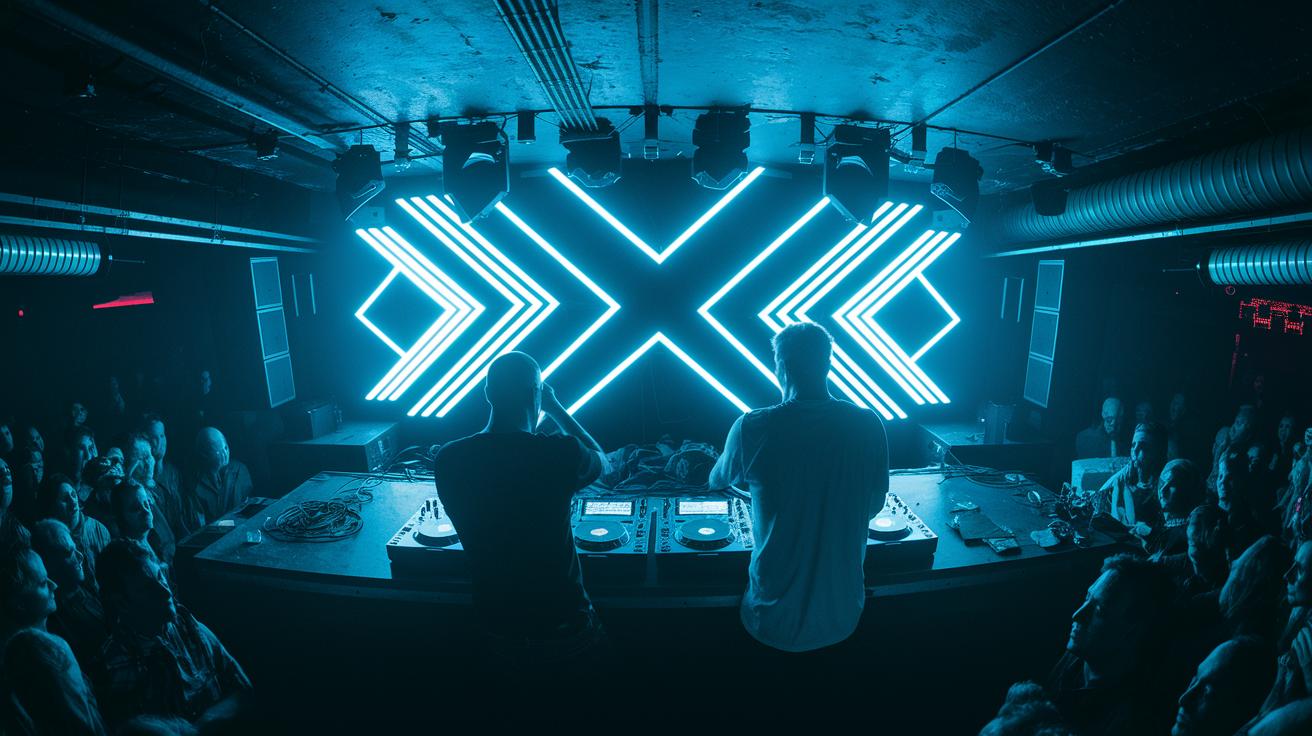
Hardcore electronic music gets its heartbeat from daring artists who push the limits and bring energy to every set. They crank up the vibe with beats you can feel, lighting up underground parties like a live spark. Think about Angerfist, who holds the crown for his fierce gabber sound. His track "Riotstarter" bursts with non-stop kicks and rough synths that shake any dance floor. Imagine stepping into a club and being immediately swept up in that high-voltage energy.
Then there’s The Outside Agency, who found their own groove in industrial hardcore with "Black Box Warning." Their music mixes rough, machine-like sounds with a dark, moody feel that pulls you right into the moment. And let’s not forget DJ Sharpnel, who rides the wild wave of speedcore with the track "[H# D]." Every rapid kick feels like a quick jolt that sends excitement through the crowd. Meanwhile, Evil Activities brings a hardstyle punch with "Nobody Said It Was Easy," blending tight rhythms and driving beats to create a powerful feel.
| Artist Name | Subgenre | Notable Track |
|---|---|---|
| Angerfist | Gabber | Riotstarter |
| The Outside Agency | Industrial Hardcore | Black Box Warning |
| DJ Sharpnel | Speedcore | [H# D] |
| Evil Activities | Hardstyle | Nobody Said It Was Easy |
Production Techniques for Hardcore Electronic Music
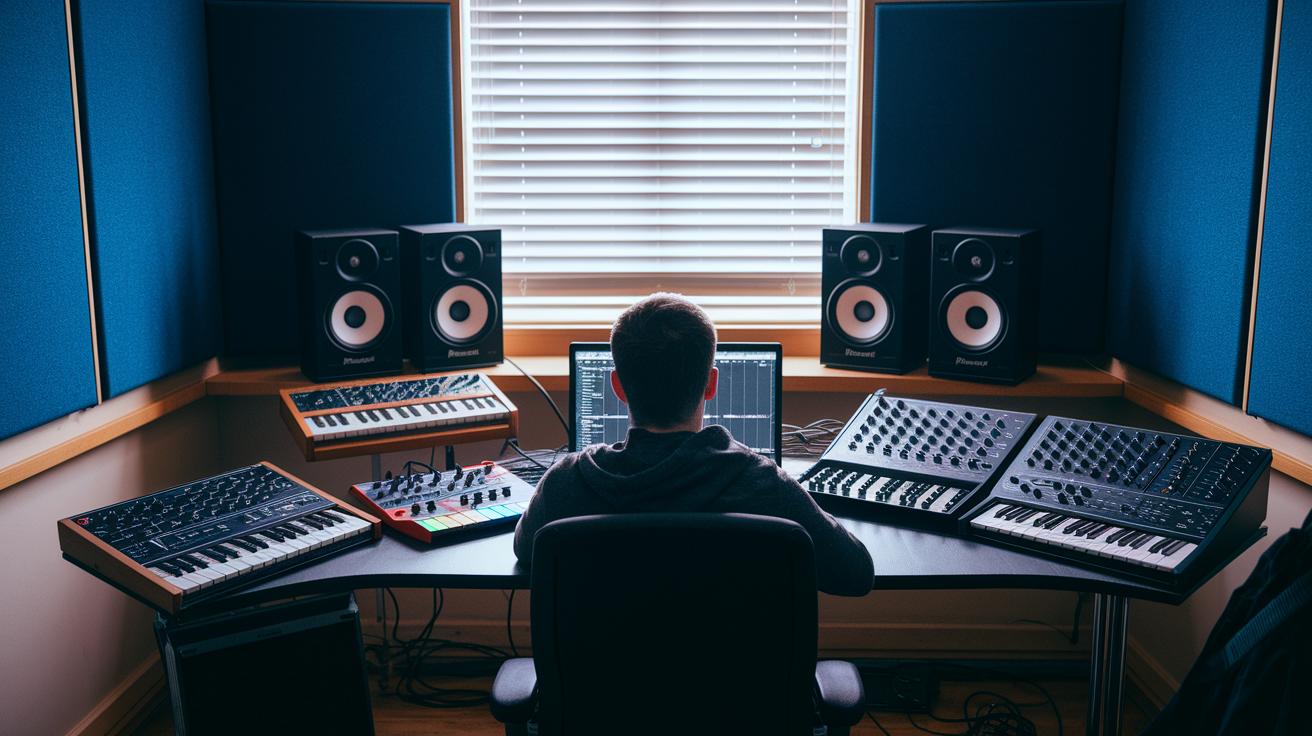
Producers usually start in their digital audio workstation by laying down a clean sine-wave kick. Imagine a smooth, pure tone that soon transforms into a burst of raw energy. Once that base is set, they add distortion, saturation, and bitcrushing to give the sound a gritty punch.
Next, the magic of synth programming takes over. Producers mix rough saw and square wave oscillators with noise generators to create that edgy, signature vibe. Drum machines and samplers then come in, firing off loops at speeds between 160 and 200 BPM, so every beat feels alive and charged.
Mixing also plays a big role in shaping this aggressive sound. Engineers use sidechain compression to let the kick drum stand out, giving each element room to breathe while keeping the mix tight and focused. Imagine each beat breaking through like a powerful statement in an electrifying performance.
Tools like Ableton Live and FL Studio are favorites among producers. They often use emulations of the Roland TR-909 to capture that classic punch. Adding a TB-303 unit brings in the acid sound that makes the track unforgettable. It's amazing how a bitcrusher can take a simple synth line and turn it into something raw and memorable.
For those curious about exploring advanced distortion and synthesis tools, check out the latest innovations in immersive music technology at Thezeff.com. It’s a blend of technical know-how and creative flair that delivers a high-energy experience fans truly crave.
Hardcore Electronic Music Festivals and Live Events
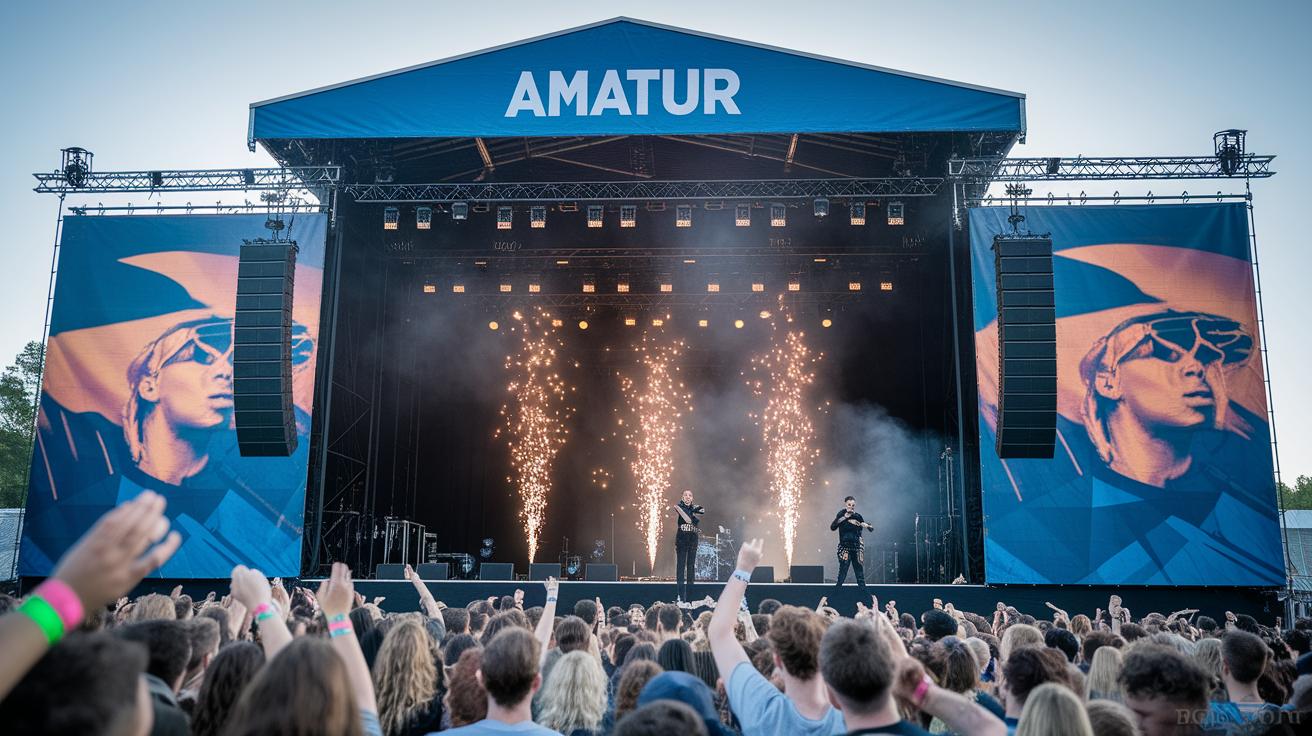
Hardcore music festivals are an explosion of raw energy, where every beat pulses like an electric shock. Imagine hitting up the "Hardcore Till I Die" event in Australia, where top DJs spin marathon sets that keep the vibe alive all day long. Those intense kick intros hit hard, bursting with energy and lighting up the crowd like a flurry of sparks.
The festival transforms epic outdoor spaces into vibrant stages. Picture towering LED screens and bold designs that set the scene for performances that feel almost magical. Every bass drop sends shivers through you, making your heart race as if you're part of something bigger. It’s an experience that grabs your senses and doesn’t let go.
DJs perform in seamless back-to-back sets, so the excitement never fades. The music flows nonstop, and every shout and clap from the crowd blends perfectly with the beats. It feels like you’re sharing a powerful moment with thousands of fans who live for these authentic, live moments.
Looking to dive into more electrifying events? Check out https://thezeff.com?p=766 for a peek at other festivals and live experiences around the world.
Community and Culture of Hardcore Electronic Music
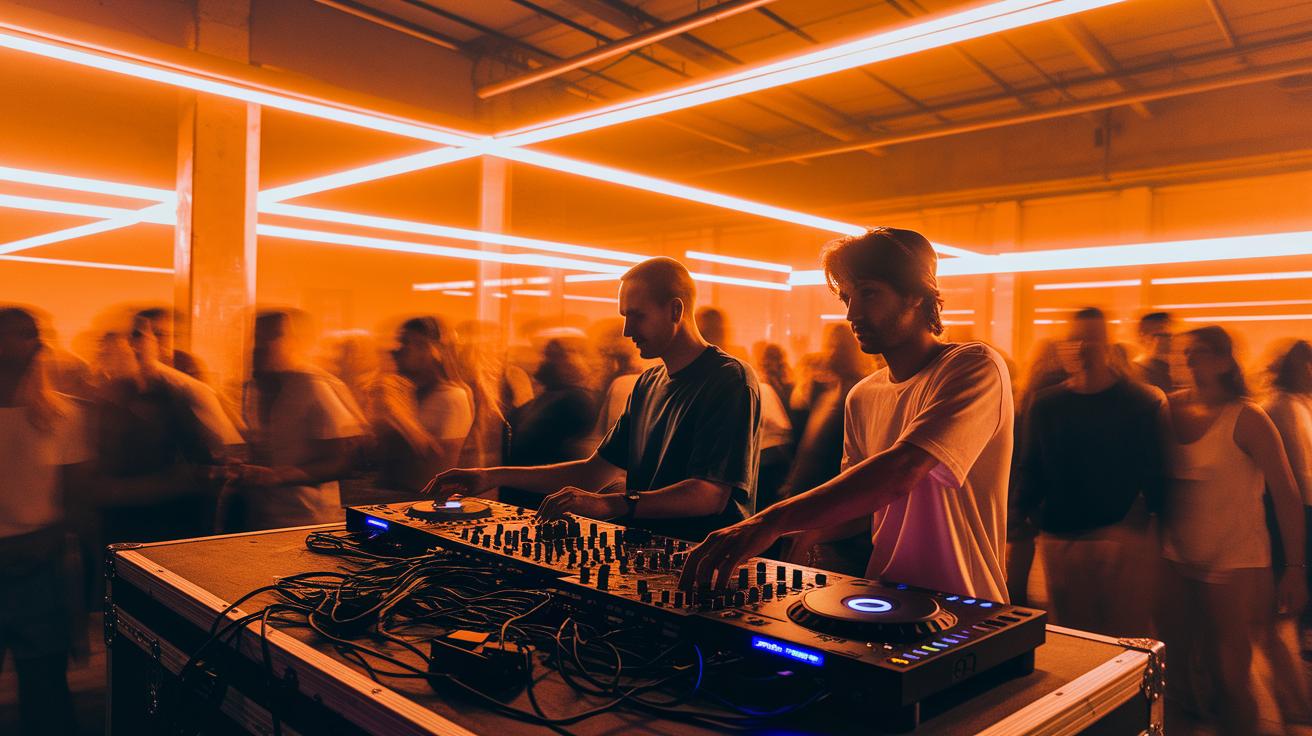
The hardcore scene is all about underground energy. Think of a hidden warehouse filled with vibrant, pulsing beats that make your heart race. DIY promoters come together to throw raw parties, where the only rule is to feel every note that vibrates around you.
Fans here aren’t just listening; they’re creating the vibe. They trade mixtapes and remixes on little-known websites, sharing tracks that tell their own stories and capture that edgy sound. Every exchange is like sharing a secret that keeps the community alive and kicking.
Then there are online spots like Facebook and Discord, buzzing with track talks and remix tips. It’s almost like having a backstage pass where every comment helps shape an ever-changing, electric atmosphere. This hands-on, DIY vibe keeps the hardcore culture fresh and full of surprises.
Future Directions in Hardcore Electronic Music
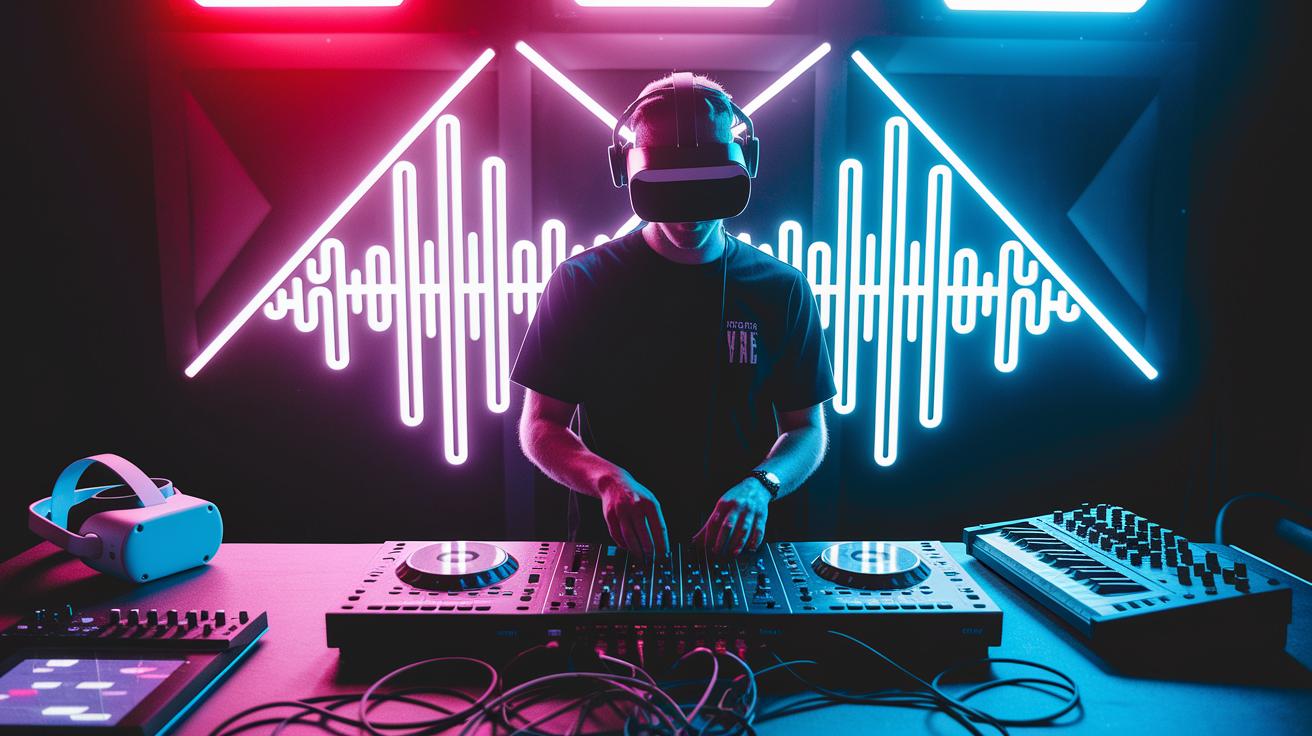
Technology is changing hardcore electronic music in awesome, unexpected ways. Producers are now using AI to create kick drum patterns that push the limits of what we ever thought possible. Imagine a moment when a computer predicts a kick drum sound that shakes a venue like a live drummer would. And with VR rave rooms featuring 360° audio, fans can feel every beat from every angle, making the digital vibe feel as true as stepping onto a real stage.
Hybrid live sets are also on the rise. Musicians mix trusty old hardware synths with fresh digital sequencers, blending classic warmth with modern precision. This mix gives rise to an electrifying digital hardcore sound full of high-energy synth beats. At the same time, producers are rediscovering analog distortion pedals, reviving old gear to add raw, gritty textures to both live shows and studio sessions.
Some artists go even further with experimental synth breakdowns, crafting robotic dance tunes that seem to come from another universe. Their futuristic soundscapes pair perfectly with industrial electronica, creating a cool blend of cutting-edge beats and familiar digital charm. Get ready for shows where carefully controlled digital methods mix with a hands-on vibe, making every beat a thrilling leap into the next wave of hardcore electronic innovation.
Final Words
in the action, we unraveled the essence of hardcore electronic music from its raw roots to its modern twists. We highlighted its aggressive beats, pioneering artists, and clever production techniques while diving into live shows and community vibes. Every section painted a picture of high-energy synth beats and the passion fueling this scene. The discussion brings fresh insight into a sound that continues to electrify and inspire. Embrace the thrill and keep the rhythm alive as the future of hardcore electronic music marches on.
FAQ
Q: What is hardcore electronic music and how is it characterized?
A: The hardcore electronic music genre is defined by high BPM (160–200), aggressive, distorted kick drums, dark basslines, and intense synth beats created with drum machines and digital synth tools.
Q: Who are some well-known hardcore techno artists and DJs?
A: The hardcore electronic scene includes artists like Angerfist, DJ Sharpnel, and Evil Activities, whose tracks highlight aggressive sounds and energetic live performances with distinct subgenre influences.
Q: How does hardcore electronic music relate to hardcore punk and post hardcore?
A: The hardcore sound in electronic music shares the intensity of hardcore punk and post-hardcore but uses digital elements, hard beats, and high-tempo synth layers for a modern, electrifying feel.
Q: Is hardstyle a form of hardcore electronic music?
A: Hardstyle is a related offshoot of hardcore electronic music that uses deep basslines, punchy kicks at around 150–160 BPM, and raw, intense tracks to create an energetic impact.
Q: What BPM range defines hardcore electronic music?
A: Hardcore electronic music typically runs between 160 and 200 BPM, though some subgenres push these limits further to deliver even faster, more energetic rhythmic experiences.
Q: What makes hardcore electronic music the most aggressive EDM style?
A: The hardcore electronic genre stands out for its fierce sound design, rapidly pulsating beats, and intense, distorted synths, making it one of the most aggressive styles in the EDM scene.