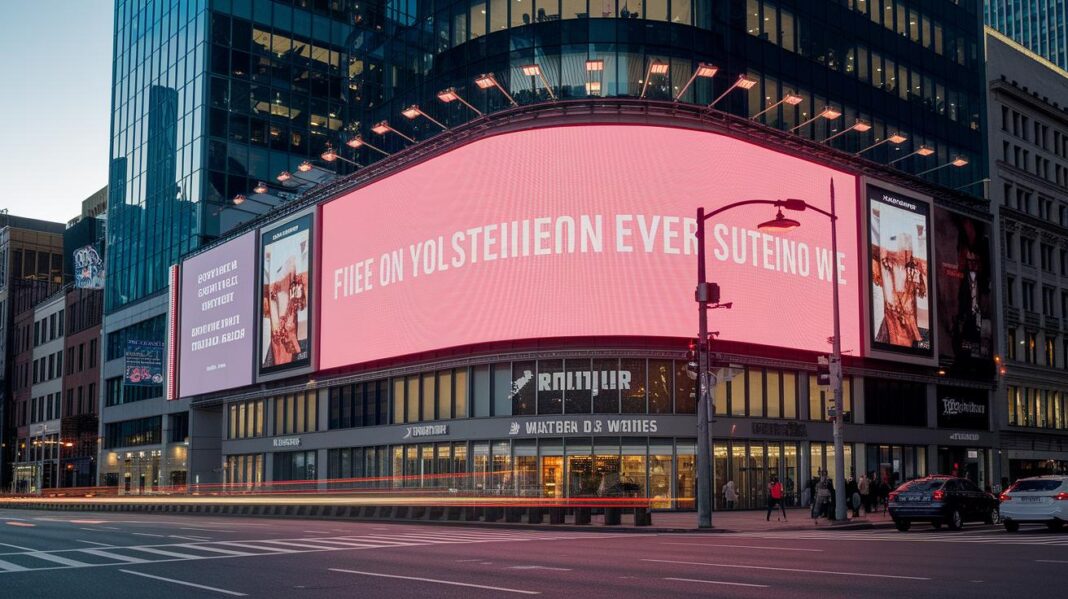
Ever wonder if a simple ad could put on a live show? Digital out of home turns everyday spots into vibrant displays that light up with life. Imagine cruising by a road sign that springs to life with messages that match the weather or the flow of traffic. It’s like watching a mini performance right as you pass by.
This new twist on old billboards grabs your eye and makes you stop for a moment. Advertisers are pouring more resources into these lively screens, capturing moments just as they happen. In truth, digital out of home is giving traditional ads a modern, smart makeover that is both engaging and impossible to ignore.
Digital Out of Home Advertising Fundamentals
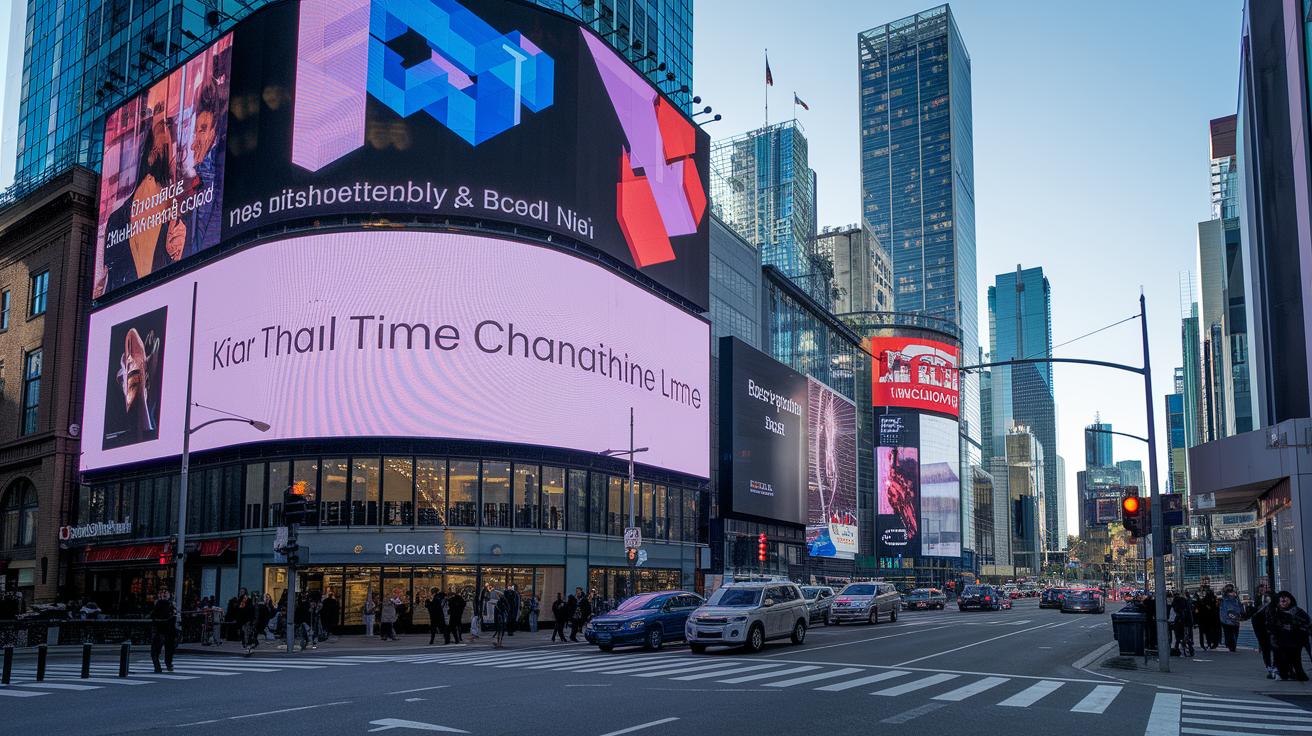
Digital out of home advertising is a fresh spin on old-school billboards. Instead of one boring image, DOOH uses screens that update in real time, making ads feel interactive and right on time. Think of it like this: a regular roadside sign suddenly turns into a lively screen that shifts its message throughout the day, catching your eye with bright, new visuals.
Everyday places have changed big time with screen advertising. Spots that used to show the same old image, like busy city streets, movie theaters, or even gas stations, now sport digital displays that react to things happening around them. Picture driving on a busy highway and seeing a billboard that tweaks its message when it rains or when traffic builds up; the ad feels alive with the moment.
The numbers don’t lie, DOOH is booming. In 2022, it raced ahead as one of the fastest-growing media trends. Nearly every media pro (94% of them) was ready to pump more money into it, and 20% even thought about doubling their spend. With a growth rate of over 24% in 2023, experts expect DOOH to make up nearly half of all out-of-home ad spending by 2027. That’s a clear sign it's winning hearts in the ad world.
These days, DOOH is a star in outdoor advertising. By blending striking visuals with smart tech, it helps brands stand out and stay memorable. With its mix of eye-catching imagery and real-time insights, DOOH doesn’t just catch attention, it creates an experience that feels personal and on point in our ever-changing world.
Key Benefits and ROI of Digital Out of Home Advertising
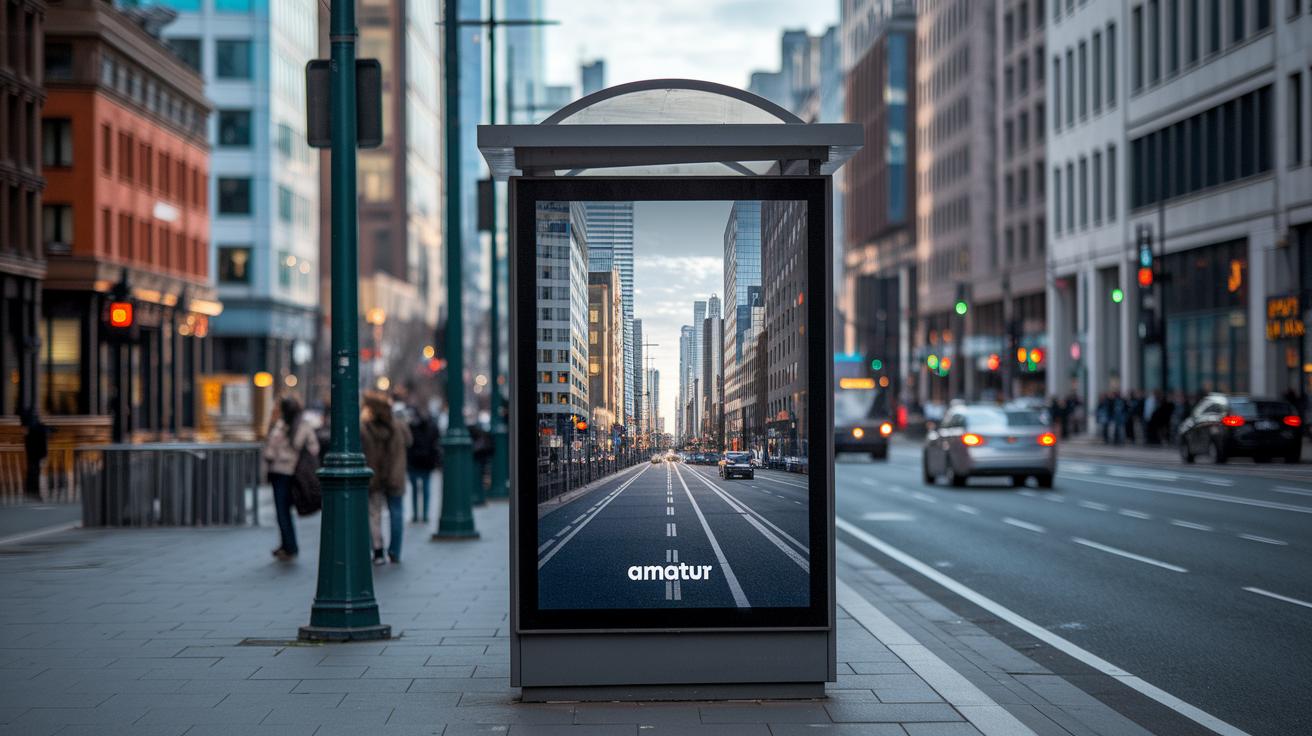
DOOH campaigns let advertisers shine by grabbing attention in busy public places. Picture a bus shelter screen lighting up with an ad that makes you stop and stare, it’s like a mini performance happening right before your eyes.
In truth, DOOH works best when people are on the move. It feels personal, almost like a friendly tap on the shoulder as you go about your day. And unlike online ads you can scroll past or block, these outdoor spots catch you by surprise.
- Unskippable views in lively public spots
- A high ad recall, with 82% of viewers remembering them
- Visual ads powered by mobile location data
- Multi-channel reach that boosts the audience by 303%
- Ads that adjust to the setting, like the weather or time of day
The return on investment for DOOH is amazing. Studies have shown that these campaigns help boost ad recall by 82% and improve campaign effectiveness by 24.2%. When paired with web or mobile strategies, they can ramp up audience reach by up to 303% and increase foot traffic by around 68%. These numbers prove that DOOH turns every screen into a powerful tool for building your brand and delivering real, measurable results.
Technological Innovations in Screen Advertising Displays
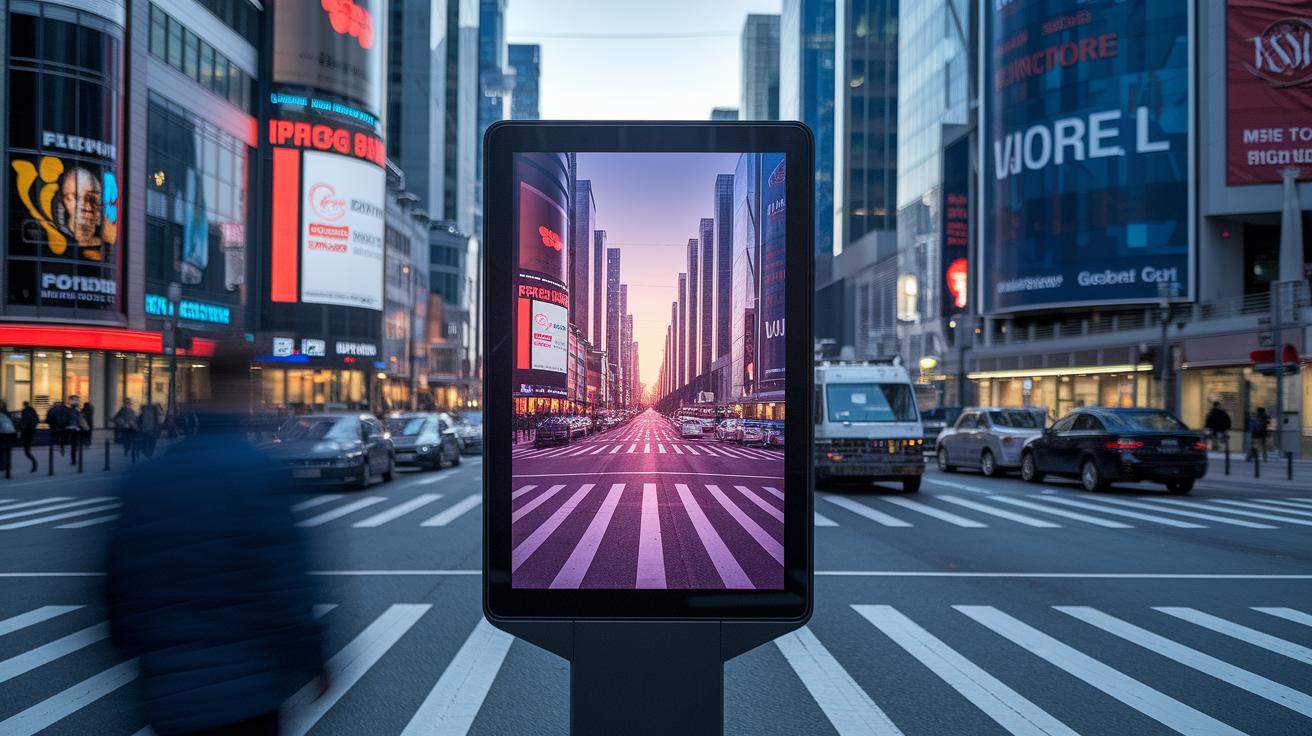
Programmatic DOOH uses digital tools to connect advertisers with their audiences in real time. It brings together simple systems like demand-side and supply-side platforms, ad exchanges, self-serve portals, and data management tools to serve up fresh, dynamic content on screens. Think of it like ordering your favorite meal on an app, you pick your choices and watch your order come to life instantly. This smart system makes it possible for ads to adjust their message on the fly, such as switching from a daytime deal to a nighttime special based on what’s happening right then.
Smart billboards rely on cutting-edge LED displays and Internet-connected tech to catch people’s eyes as they pass by. These innovative screens in busy urban areas (check out "Digital Signage" at https://thezeff.com?p=) automatically serve up eye-catching visuals. Sure, they sometimes run into small hiccups like a tiny pause before everything loads completely, imagine a digital billboard that stumbles for a split second before shining in full. It’s a reminder that even the latest tech can have its off moments.
Looking ahead, real-time bidding platforms and cloud-based display controls are set to change DOOH advertising even more. Tools like the "Video switcher for live streaming" (visit https://hautcollective.com?p=1767) mix live data with ad content in creative ways. Soon, advertisers will be able to control digital displays straight from the cloud, ensuring every ad feels as timely and exciting as the last.
Geo-Targeted Marketing and Precise Billboard Targeting in DOOH
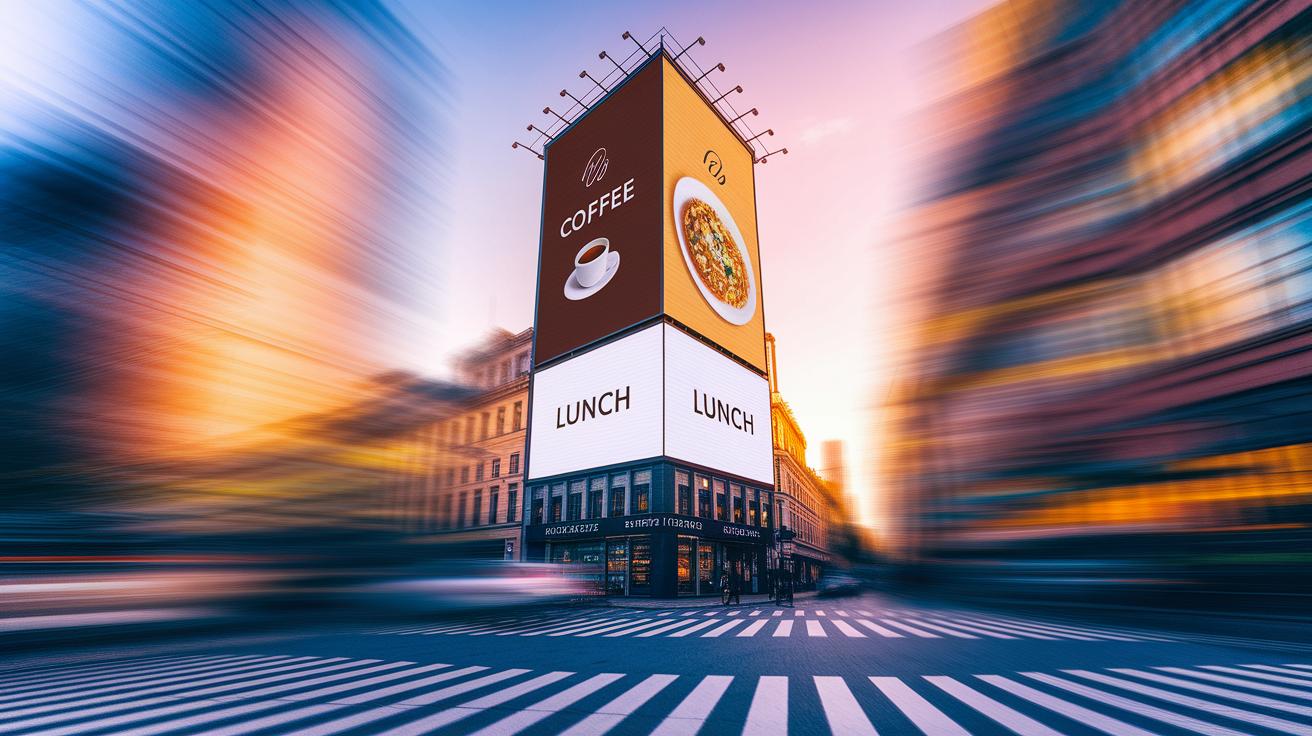
Imagine walking past a digital billboard that seems to read your mind. One minute it’s showing you a morning coffee ad, and the next it switches to a lunch special as the sun climbs higher. That’s DOOH in action, using smart, real-time tricks to make ads feel personal and perfectly timed.
Marketers love this approach because they can change their messages based on when people are most active. It’s like the ad knows whether you’re grabbing breakfast on the go or looking for lunch ideas during a break.
They also use location data to zero in on the best spots. For example, a billboard near a busy shopping center or a transit stop can show a message that really connects with the crowd in that area. Even within the same city, different neighborhoods might see ads tailored to their unique styles and tastes.
Here are some cool strategies used:
- Dayparting: Matching ad messages with the time of day, for instance, switching from a breakfast offer early in the morning to a lunch deal later on.
- POI Targeting: Placing screens where people naturally gather, like retail centers or busy transit hubs.
- Geo-Fenced Audience Retargeting: Reaching out again to those who recently visited a specific area.
- Contextual Weather Triggers: Changing the ad based on the weather, like showing a warm drink on a chilly day.
- Demographic Inference: Using mobile data to guess an audience’s age or interests so the ad feels just right.
- Proximity-Based Creative Overlays: Tweaking visuals to match nearby landmarks and catch your eye.
All these techniques lean on anonymized mobile location data to figure out who’s watching, all while keeping personal details safe and sound. It’s a smart blend of tech and creativity that helps each ad hit home at just the right moment.
Planning and Executing Effective DOOH Campaigns
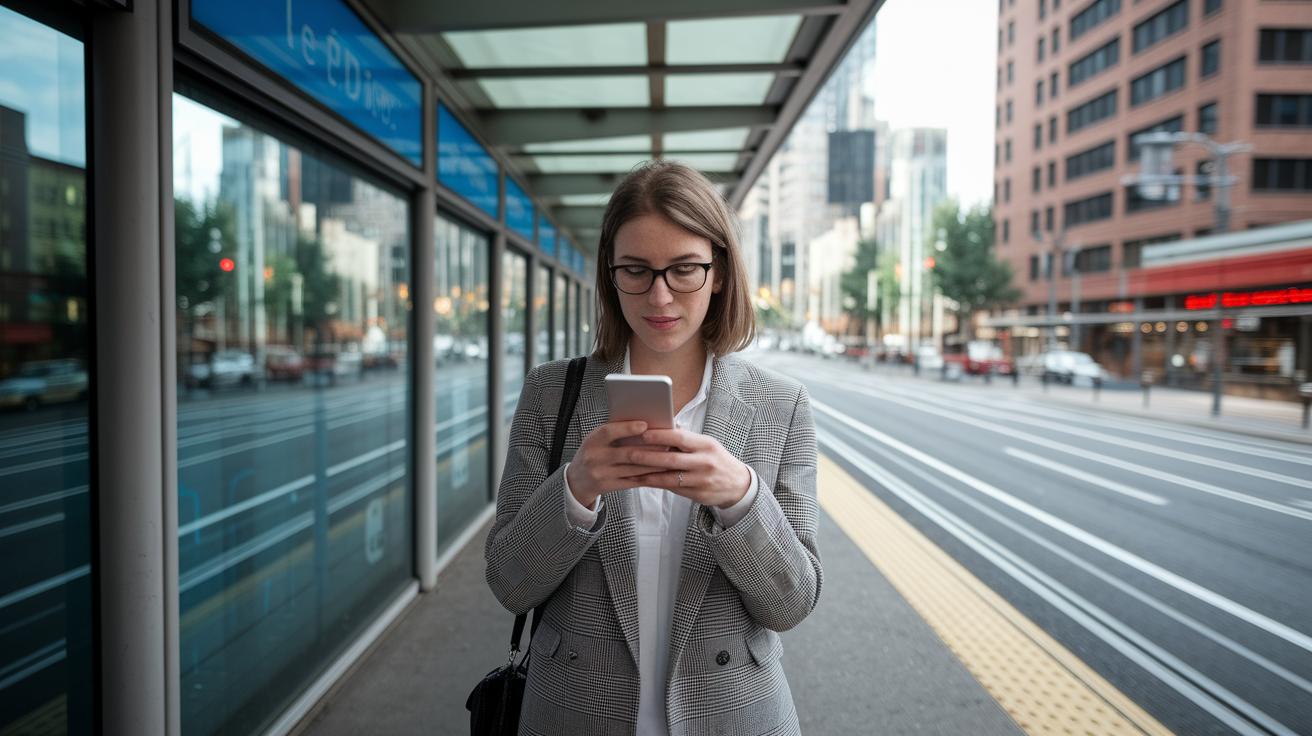
Getting ready for a DOOH campaign is all about finding the right spots and really understanding your audience. Start by checking out busy transit stops or lively urban centers, places where people naturally connect with their surroundings. It’s like setting up the perfect stage for a live show; every little detail matters.
Then comes the fun part: execution. This means using automated screen buying and managing a network of dynamic digital displays through programmatic DOOH buys. In simple terms, imagine ordering your favorite meal online, where every step, from browsing to delivery, works smoothly and in real time. You adjust your ad content on the fly to match local events and the energy of the crowd.
Once your campaign is live, you shift focus to tracking how people engage, checking foot traffic, and fine-tuning everything to keep the vibe fresh and effective. Think of it like perfecting a recipe by tasting and tweaking along the way, each insight helps you make your campaign even better.
For more detailed guidelines on setting up a structured campaign, check out the full instructions at Campaign Planning.
Real-World Case Studies of Digital Out of Home
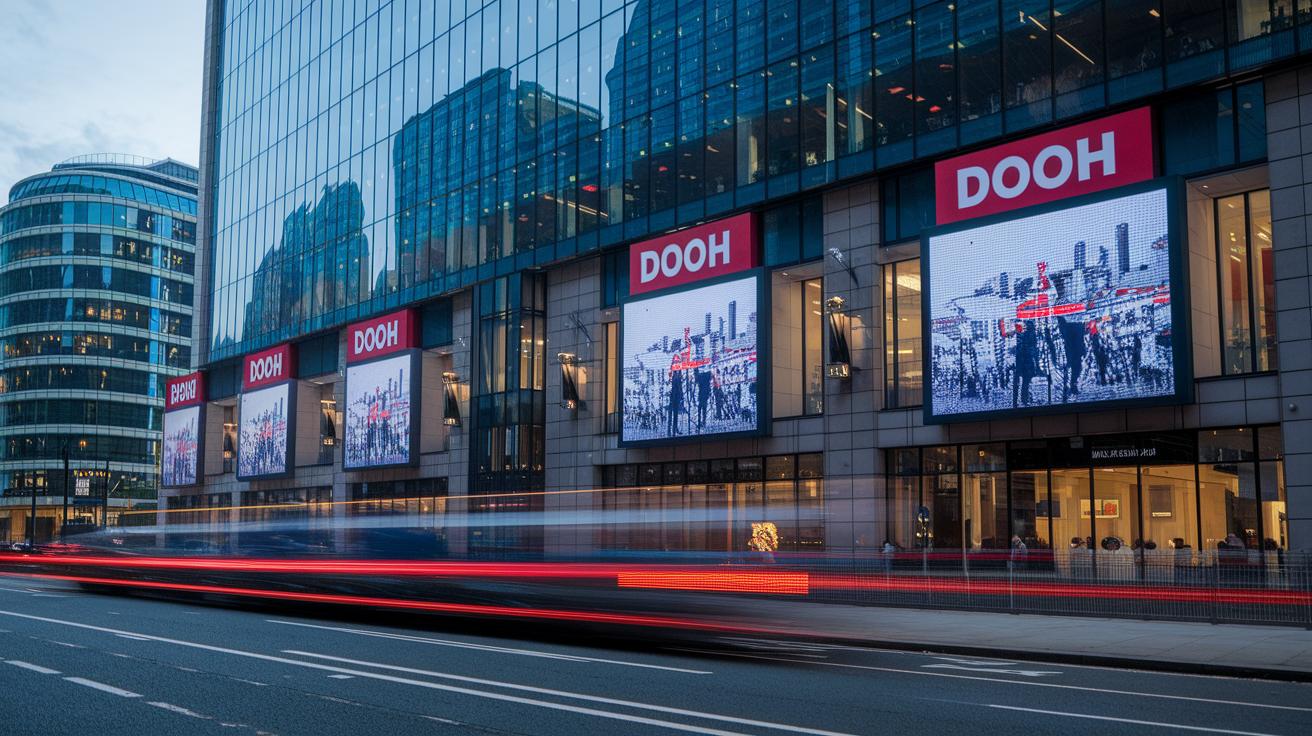
Digital out of home is showing how ordinary places can turn into lively displays that share real-time information. Just think about Transport for London, which used live updates to show bike rental spots – that simple update turned waiting time into a moment of engagement and usefulness.
| Case Study | Location | Technology | Outcome |
|---|---|---|---|
| Transport for London | London | Live dock-station availability display | Boosted cycle hire engagement |
| British Airways | Airport terminals | Real-time flight data feed | Enhanced travel information delivery |
| Foodora | Urban streets | Real-time delivery updates | Improved order visibility and satisfaction |
| Elevator Screens | Premium hubs and retail areas | Dynamic visual displays | Increased brand recall and impact |
These examples show that when digital out of home is used creatively, it can change casual glances into active, interactive experiences. It brings a spark of excitement into everyday moments, making it easier for people to connect with messages and for brands to shine.
Future Trends and the Evolution of Digital Out of Home Advertising
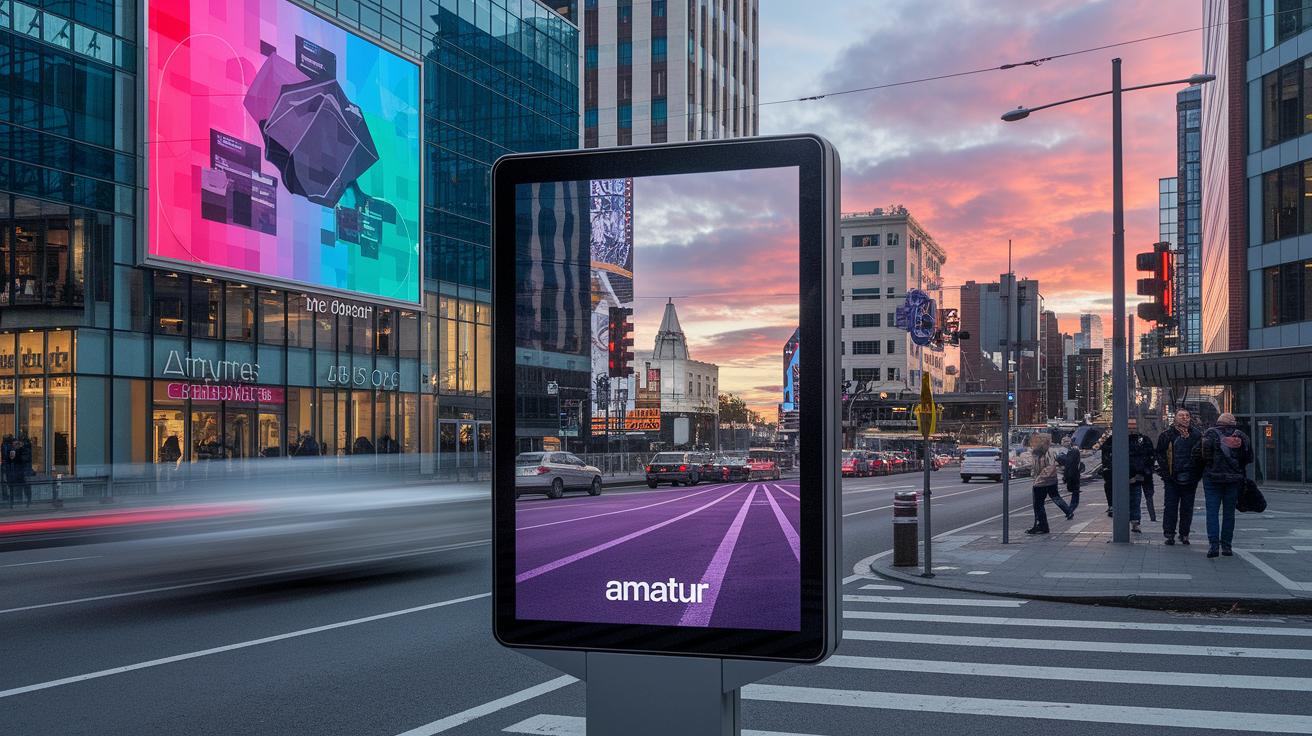
New technology is shaking up outdoor ads. Smart tools like AI-powered audience targeting and real-time bidding are transforming everyday screens into lively, interactive spaces. Think of touch displays and AR overlays that make a regular ad feel like a mini show. Imagine a screen that reads the crowd's vibe and instantly changes its visuals. It’s like the electric buzz of a live concert happening right before your eyes.
By 2027, experts say digital outdoor ads might take up almost half of all outdoor advertising budgets. New measurement tools will also help advertisers see exactly how their campaigns are performing, much like checking your score after a big game. This means brands can really understand the impact of their creative efforts.
Looking ahead, digital out-of-home ads will be a major part of smart marketing strategies. They mix live data with creative, interactive displays, giving a real-time pulse of busy city life. It’s an exciting time where outdoor advertising is not just about showing an ad, but about creating a connected, high-energy experience that grabs attention wherever you go.
Final Words
In the action, we've seen how digital out of home transformed traditional ads into dynamic visual experiences across busy venues. The post explored how technology powers interactive screens and smart targeting that makes every display a mini event. It also highlighted how strategic planning and real-world case studies deliver measurable results. This fresh take on digital out of home shows that creative content and data-driven insights can make campaigns truly memorable. It’s an exciting time to enjoy a new level of interactive engagement and share these vibrant moments with your community.
FAQ
What does digital out of home mean, including DOOH and its meaning in English?
The digital out of home meaning means DOOH is digital advertising seen on public screens. It replaces static posters with interactive displays that grab attention in busy public places.
What are digital out-of-home examples, like an example of a digital out-of-home?
The digital out-of-home examples include interactive screens at transit stops, smart billboards on highways, and digital displays in shopping centers. They feature real-time updates to catch eyes on the go.
What do digital out-of-home advertising companies, DOOH advertising companies, DOOH Company, and DOOH media offer?
The digital out-of-home advertising companies manage networks of digital displays in high-traffic areas. They use automated systems and live data to match ads with mobile audiences in real time.
How does digital out-of-home work?
The digital out-of-home works by using automated controls that update ads on digital screens based on live data. It blends software and hardware to deliver timely, targeted messages in public spaces.
What is the difference between DOOH and OOH?
The difference between DOOH and OOH is that DOOH uses digital screens for flexible, interactive ads while OOH relies on static, printed displays. DOOH offers real-time updates and interactive features for modern campaigns.