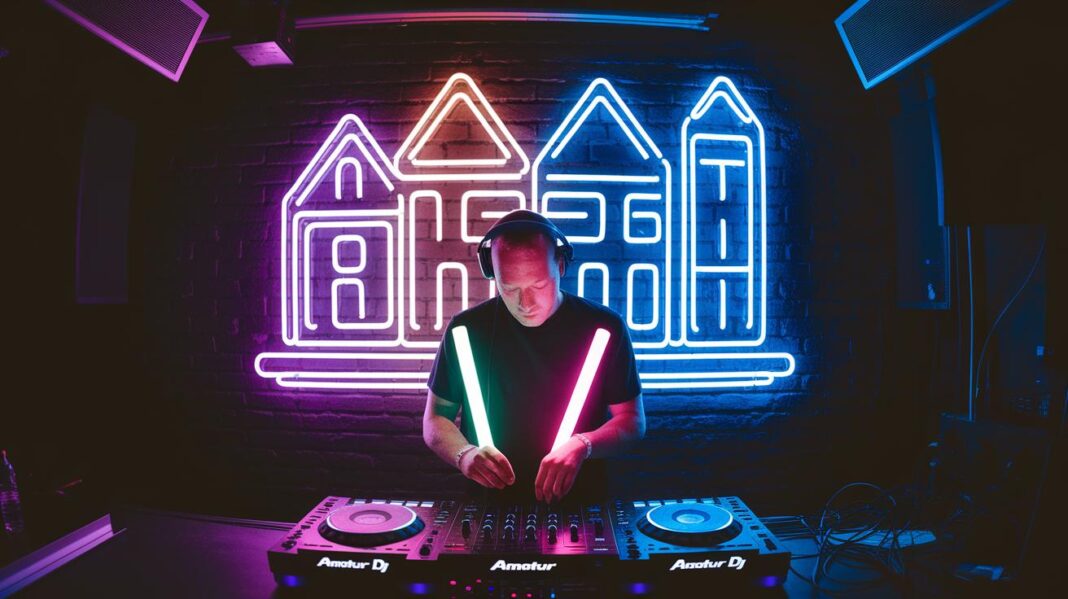
Ever thought rave music was just random noise on a fancy playlist? Think again.
This pulse-filled beat started in secret nights where rebellious sounds broke every rule. It transformed dark rooms into wild dance floors full of energy you could feel in your bones.
In this piece, you'll discover how rave music grew from hidden parties into global club scenes, with every deep bass drop telling a daring story from the past. Get ready to feel the rhythm and see how this unique sound keeps shaking things up.
Rave Music: Genre Overview and Cultural Roots
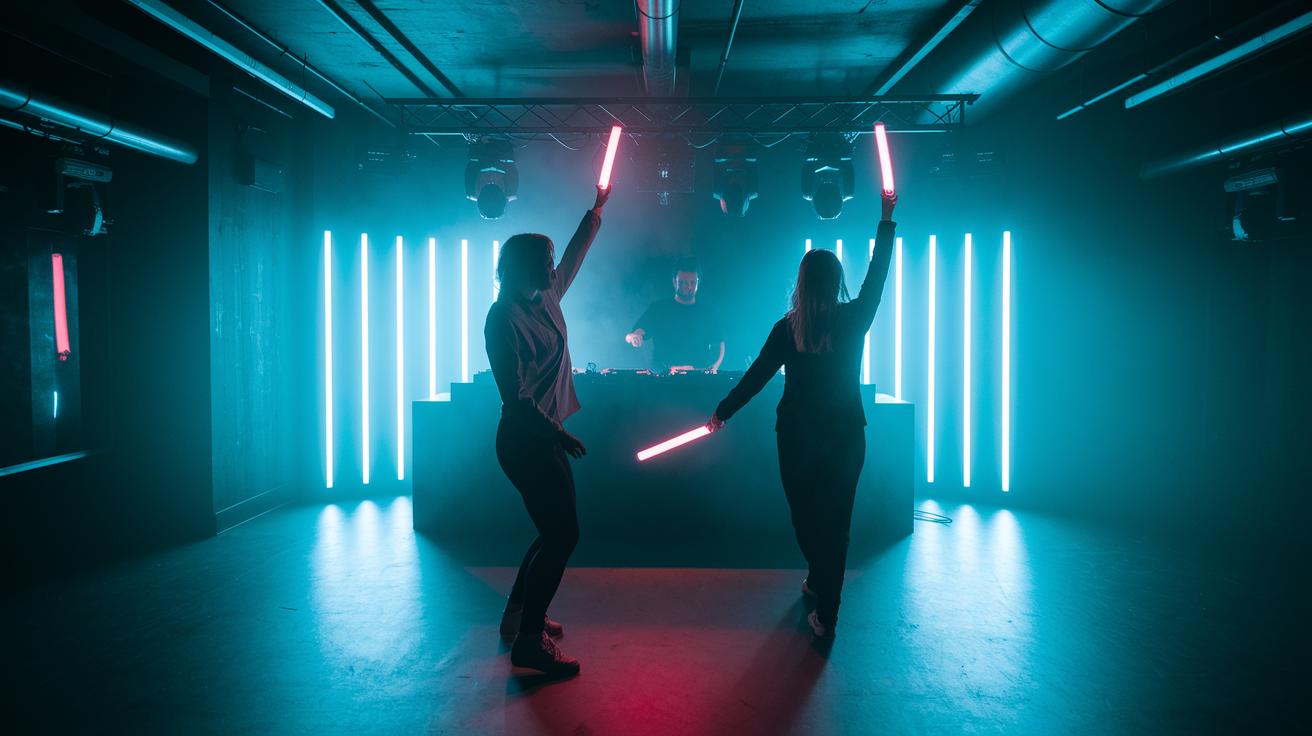
Rave music got its start at secret underground parties in the late 1980s and early 1990s. It’s all about those pulsing beats and cool synthesized tunes that make you want to move. Imagine a club with soft, dark lighting punctuated by glowing neon colors, where every beat feels like an invitation to let go and dance.
Born out of the UK’s all-night bashes, rave music quickly became a way to share unity and personal expression. Cities like London, Manchester, and later Berlin turned into hot spots for these wild, high-energy gatherings. Everyone rocked colorful clothes and glow sticks, turning the night into a moving canvas of light and sound. And yes, MDMA sometimes played a role, adding a mysterious twist to the feeling of freedom.
This vibrant sound transformed nightlife by mixing fresh, daring rhythms with a strong cultural vibe. Today, rave music lives on in festivals and clubs all over the world, each beat echoing the magic of those early underground moments. Every thump of the bass invites you to step into a world where music and energy make anything possible.
The Evolution of Rave Music Across Decades
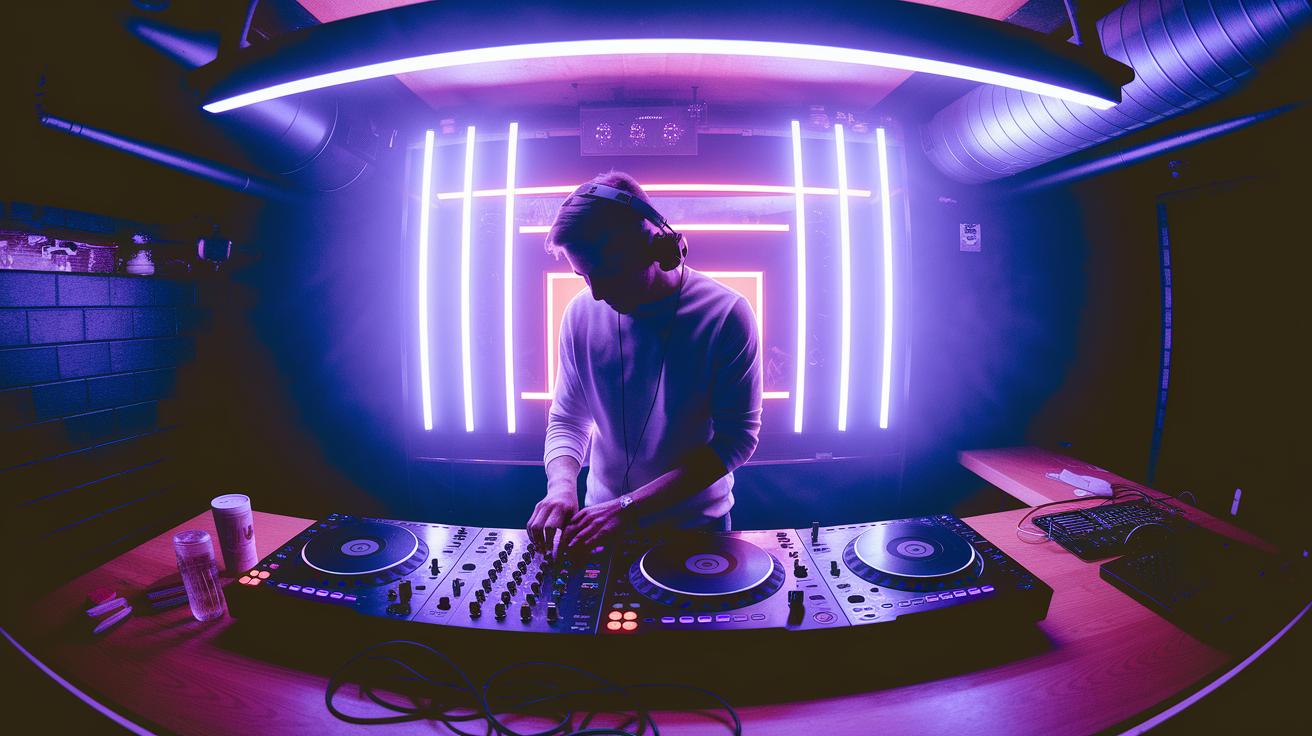
Rave music started out as a wild blend of sounds in underground clubs. Back in the day, Detroit techno and Chicago house mixed with party vibes from the UK and Europe. It’s kind of like taking your favorite soda and adding a splash of something totally unexpected. Along the way, hip-hop, industrial, and dub sounds brought even more flavor, setting the stage for rave to evolve.
In the early 1990s, the dancefloor got a real kick from new sounds that burst onto the scene. Subgenres like jungle, drum & bass, trance, and gabber sprang up with a mix of fast beats and catchy synths. Picture a track where breakbeats zip along with shiny, punchy synthesizers – that’s the magic of the 90s rave scene. With secret tracks shared on homemade dubplates and white-label vinyl, DJs could surprise the crowd with raw, daring sounds without waiting for the usual channels.
When digital samplers and sequencers came into play, everything shifted. Producers started polishing up those rough club experiments into smooth, electrifying hits. Live shows then transformed into digital spectacles full of energy and precise beats. This mix of old-school club vibes and new tech broke boundaries, making rave culture ever more exciting.
And here’s a fun fact: in the early 90s, a few trailblazing DJs used homemade dubplates to spin tracks that would soon define a generation’s nightlife. The blend of styles is still pushing rave into fresh, thrilling sound territories today.
Rave Music: Electric History and Bold Beats
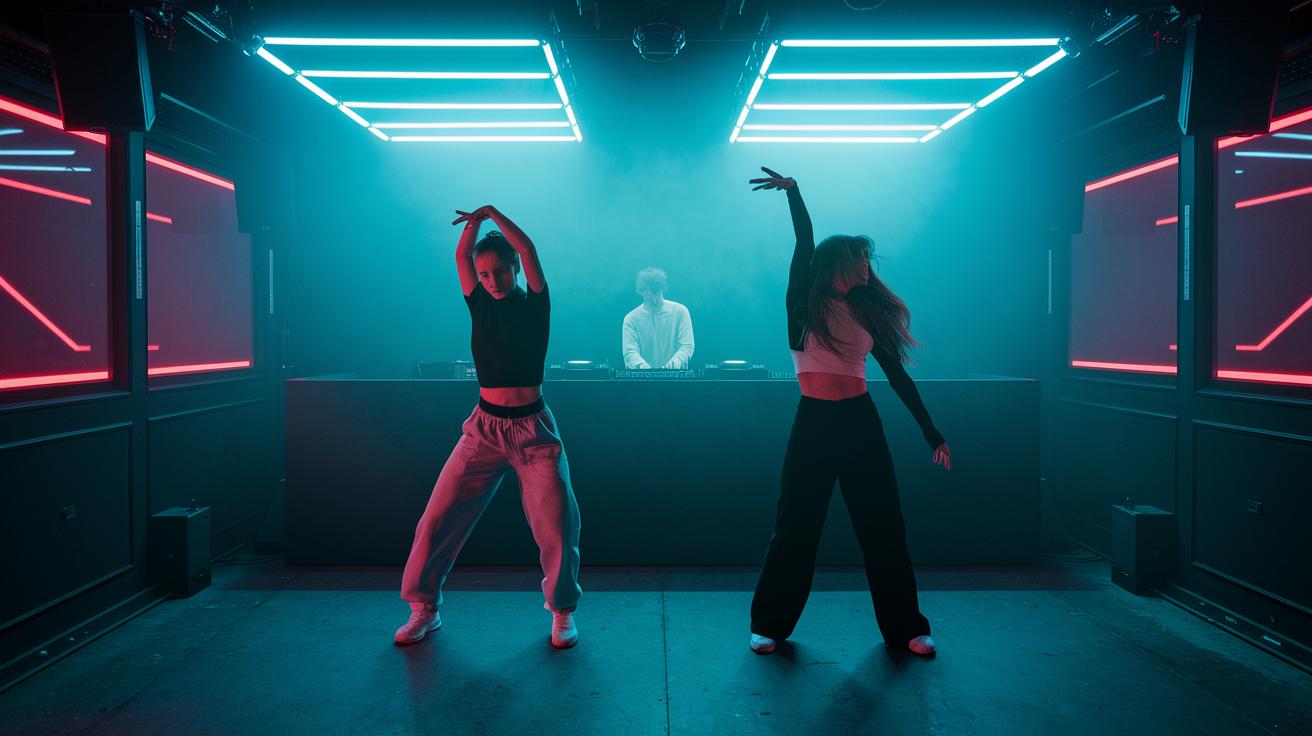
The underground rave scene exploded when different electronic sounds came together to create an experience you can feel deep down. Every style brings its own color, drawing fans into a journey full of pulse and groove.
-
Techno
Techno rocks a steady four-on-the-floor beat with simple synth sounds that feel like a hypnotic heartbeat. It keeps the energy high and invites you to lose yourself on the dance floor. -
House
House music pulses with bouncy beats and soulful vocals that make you feel right at home. Its warm, inviting rhythm is like a friendly nod that gets everyone moving together. -
Breakbeat
Breakbeat bursts onto the scene with funky drums and chopped loops that surprise you every time. Its punchy beats create an electrifying vibe that charges up any room. -
Trance
Trance weaves dreamy melodies with soaring drops that lift your mood and spirit. Its smooth flow carries you along on a journey that feels both grand and personal. -
Jungle/Drum & Bass
Jungle and Drum & Bass bring lightning-fast breakbeats and deep basslines that hit hard. Their rapid rhythms and driving pulses leave a lasting spark that stays with you long after the music fades.
Iconic Rave Tracks and Influential Artists
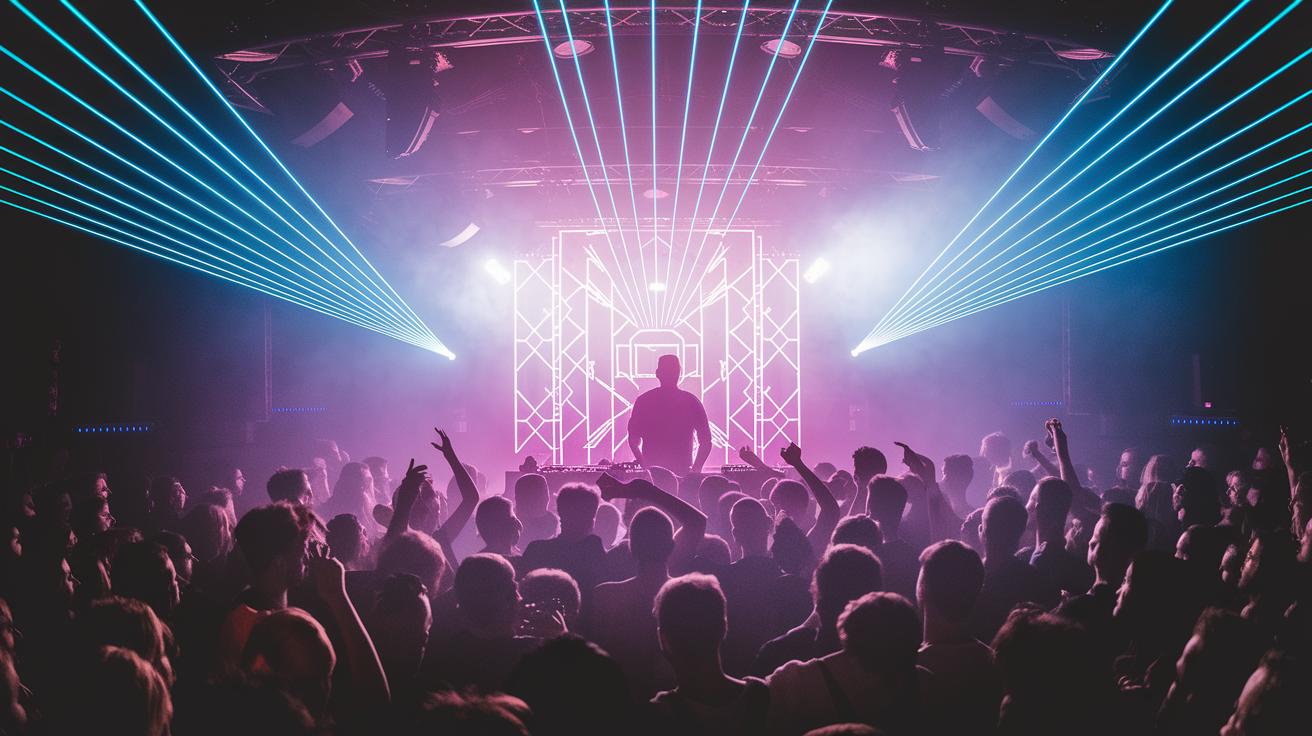
This set of iconic club songs truly shaped the energetic vibe of rave music, making it unforgettable. Every hit played its part in building the scene, filling dance floors all over the world with upbeat rhythms and a contagious sense of excitement. These tracks are basically the heartbeat of rave culture – each beat invites you to feel free and connected.
Imagine the thrill as you catch the pulse of The Prodigy's "Out of Space." This 140 BPM track from 1992 set underground parties in the UK on fire. Then there’s Underworld’s "Born Slippy" from 1995, a 144 BPM gem that turns any DJ set into a wild night of dancing and sharing good vibes.
And who could forget Darude’s "Sandstorm"? Released in 1999 in Finland at 136 BPM, it bursts with energy and still rocks dance floors around the globe. Fatboy Slim’s "Right Here, Right Now" from 1998 mixes live instrument sounds with catchy samples at 124 BPM, delivering a blend of fresh beats and classic club magic. Meanwhile, Orbital’s "Halcyon On and On" from 1992 takes it down a notch at 88 BPM, creating a relaxed soundscape perfect for those introspective dance moments.
Modern tunes like Avicii’s "Levels" from 2011 (126 BPM, Sweden) and Zeds Dead’s "Adrenaline" from 2019 (150 BPM, Canada) show how rave music has evolved while still keeping that signature spirit. Plus, underground favorites like "Inesse" by DJ Mayhem and "Set Your Body Free" by The Sorcerer have helped shape the bold look and feel of the rave scene.
These songs haven’t just rocked clubs; they’ve also inspired multimedia campaigns that capture their vibrant energy on various digital platforms.
| Track | Artist | Year | BPM |
|---|---|---|---|
| Out of Space | The Prodigy | 1992 | 140 |
| Born Slippy | Underworld | 1995 | 144 |
| Sandstorm | Darude | 1999 | 136 |
| Right Here, Right Now | Fatboy Slim | 1998 | 124 |
| Halcyon On and On | Orbital | 1992 | 88 |
Rave Music Production Techniques and Sound Design
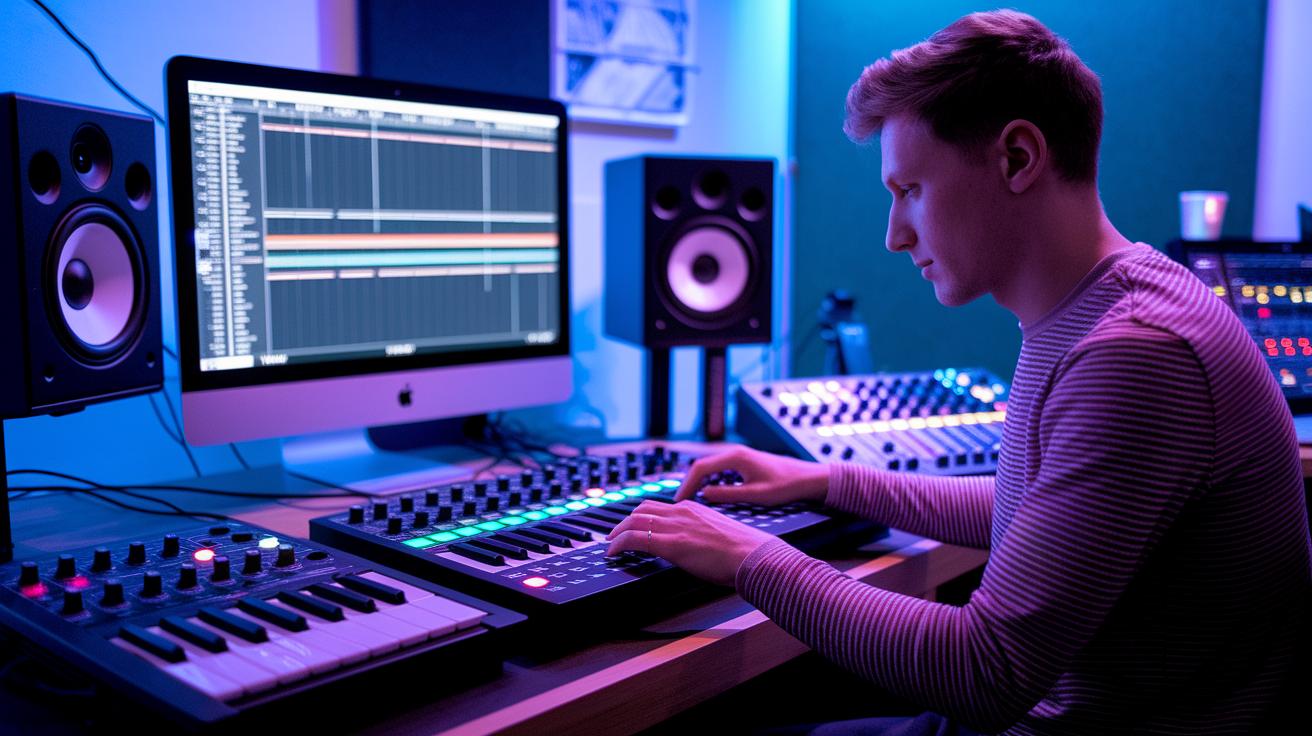
Crafting club hits is a cool mix of art and tech. It all starts with picking samples that really set the vibe. Imagine blending a punchy breakbeat with a wobbly bassline and a splash of shimmering arpeggio. A producer might even layer a snappy beat with a squelchy bass to catch your ear right off the bat!
Next, the arrangement kicks in. Artists fire up digital workstations like Ableton Live, FL Studio, or Logic Pro to sequence beats and guide the flow. Think of it like drawing a simple map for a track, every sound builds, peaks, and flows naturally, setting the stage for an epic ride.
Mixing is where balance really comes into play. It’s about tweaking levels, panning instruments, and smoothing out each sound so none of them overpower the others. Whether it’s the deep thump of a kick or delicate synth details, every element gets its moment to shine.
Then comes effects processing, which adds that extra spark. With filters, delay, reverb, and even a touch of distortion, producers shape the track with smooth transitions and dramatic swirls that electrify the dance floor.
Finally, mastering is the last polish. Techniques like multi-band compression and careful limiting push the track to club-ready loudness. This crucial step makes sure every beat sounds crisp and powerful across any speaker system.
- Sound Selection
- Arrangement
- Mixing
- Effects Processing
- Mastering
The Modern Rave Scene: Festivals, Clubs, and Global Reach
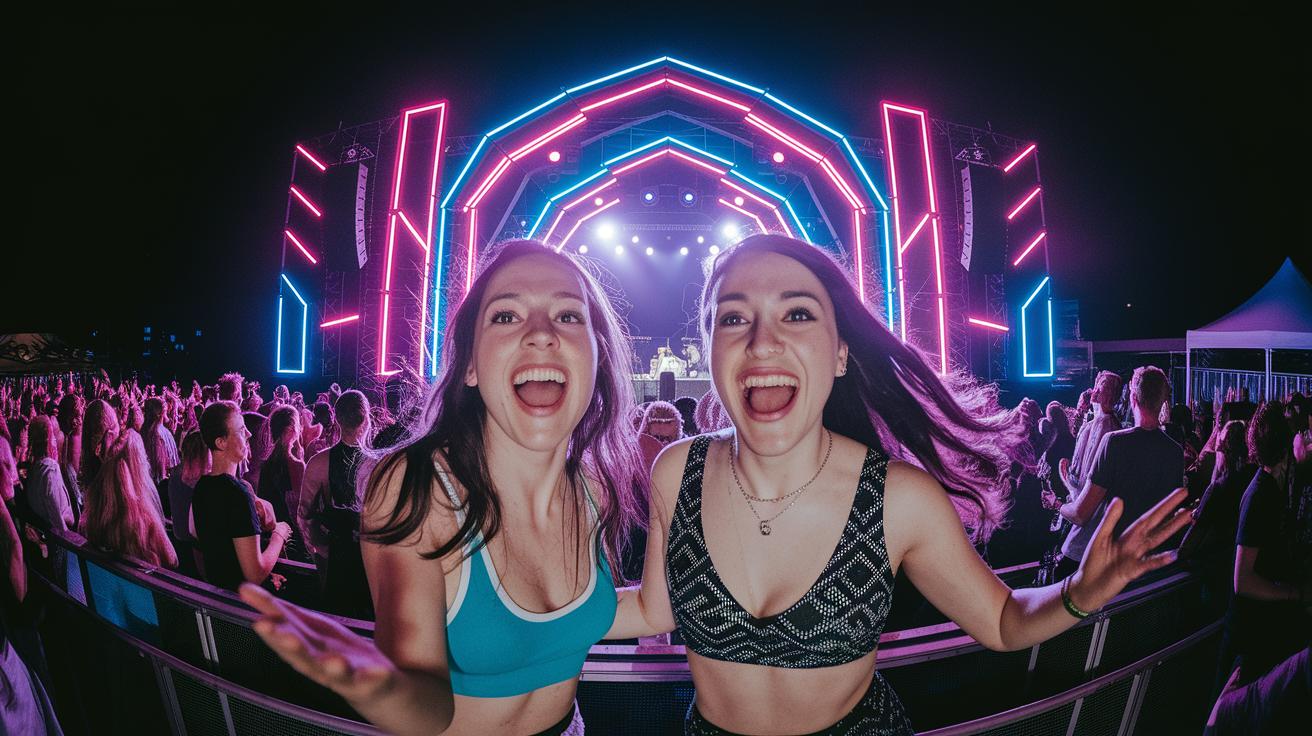
Big-name festivals like Tomorrowland in Belgium, Ultra in Miami, and Electric Daisy Carnival in Las Vegas draw in anyone who craves excitement and great music. These events are more than concerts – they’re full experiences bursting with bright visuals, hands-on installations, and sounds that push dance beats to the extreme. Imagine stepping into a scene where every beat pulls you into a lively, shared groove. The night comes alive with flashes of neon and pulsing rhythms that stick with you long after the final note.
Social media and live streaming have totally changed how rave culture spreads its magic. Now, fans can watch live shows from epic venues and festivals while sharing their own moments with friends around the globe. It’s a digital party that brings together old-school rave lovers and a new crowd eager for that perfect blend of classic moves and fresh energy.
Across the world, spots like Berlin’s Berghain, London’s fabric, and Tokyo’s Womb keep the rave scene buzzing. These cities mix modern electronic beats with touches of pop, hip-hop, dubstep, and future bass, leading to a fun, cross-genre jam that keeps dance floors jumping.
The thrill of festivals comes from that live energy paired with non-stop social updates. Every shared snapshot and video adds to the buzz, letting everyone feel like they’re right in the middle of the action.
| Major Events | Global Hotspots |
|---|---|
| Tomorrowland, Ultra, Electric Daisy Carnival | Berlin’s Berghain, London’s fabric, Tokyo’s Womb |
Festival culture today shows how live events and digital moments mix perfectly. The rave scene is evolving with every shared beat and burst of light, promising endless nights where new ideas and the pulse of the dance floor come together in one unforgettable experience.
Final Words
In the action, we saw rave music transform from underground parties into a global phenomenon full of electrifying beats and raw energy. The post explored its roots, evolution, and creative production techniques, showing how each element contributes to a vibrant cultural mix. Key tracks and innovative artists brought the scene to life, while modern festivals keep the magic going strong.
Every beat fuels an interactive experience that connects fans and drives fresh creative trends. Cheers to a world where rave music continues sparking unforgettable moments.
FAQ
What is rave music and what genres does it include?
Rave music is an electronic style known for high-energy beats and infectious synths. It includes subgenres like techno, house, and drum & bass, which started during raw, underground parties in the late 1980s and early 1990s.
What songs make up a typical rave music playlist?
A typical rave playlist features energetic tracks such as Martin Garrix’s “Animals,” The Prodigy’s “Out of Space,” Darude’s “Sandstorm,” and other club hits designed to keep the dance floor energized and engaged.
Who are some influential rave music artists?
Influential rave artists include legends like The Prodigy, Underworld, Fatboy Slim, and Darude. Their powerful tracks helped shape the energetic, festival-ready sound that defines the rave scene today.
What defines techno rave music?
Techno rave music revolves around a steady, four-on-the-floor beat with minimalistic synth patterns. This style creates a hypnotic rhythm that is a crucial element at club events and live parties.
What does a rave music mixer do during events?
A rave music mixer blends multiple tracks seamlessly, layering beats, synths, and samples to create a continuous, high-energy set. This technique ensures a smooth flow and sustains the lively atmosphere on the dance floor.
How did rave music evolve during the 90s?
Rave music evolved from raw, underground 90s parties to a more polished scene that mixed house, trance, and drum & bass. Innovation in mixing techniques and digital production tools transformed it into a dynamic, global phenomenon.