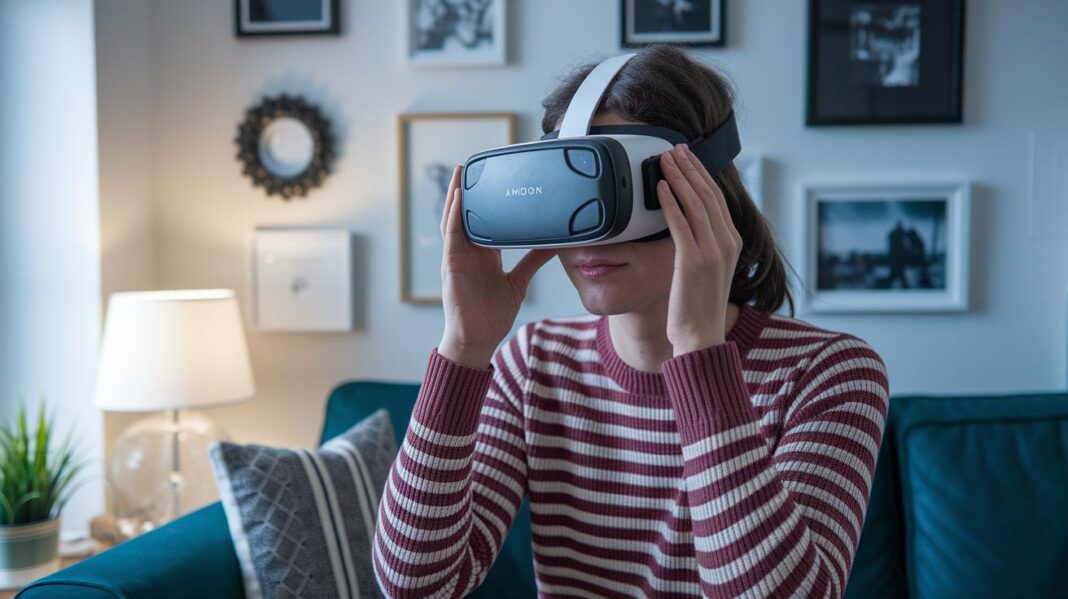
Have you ever wondered what it feels like to step into a whole new world that sparks fresh ideas? Virtual reality swaps the everyday for a vibrant digital realm that almost feels tangible. With its 360 views and realistic sounds, you get swept into experiences that feel like walking through a living dream.
In this post, we show you how cool VR tech turns simple moments into unforgettable adventures. It grabs your full attention and fuels creative thinking, making you see the world in a whole different light. Get ready to explore how technology can change not just what you see, but also how you feel and think about life.
How Virtual Reality Creates Immersive Digital Experiences
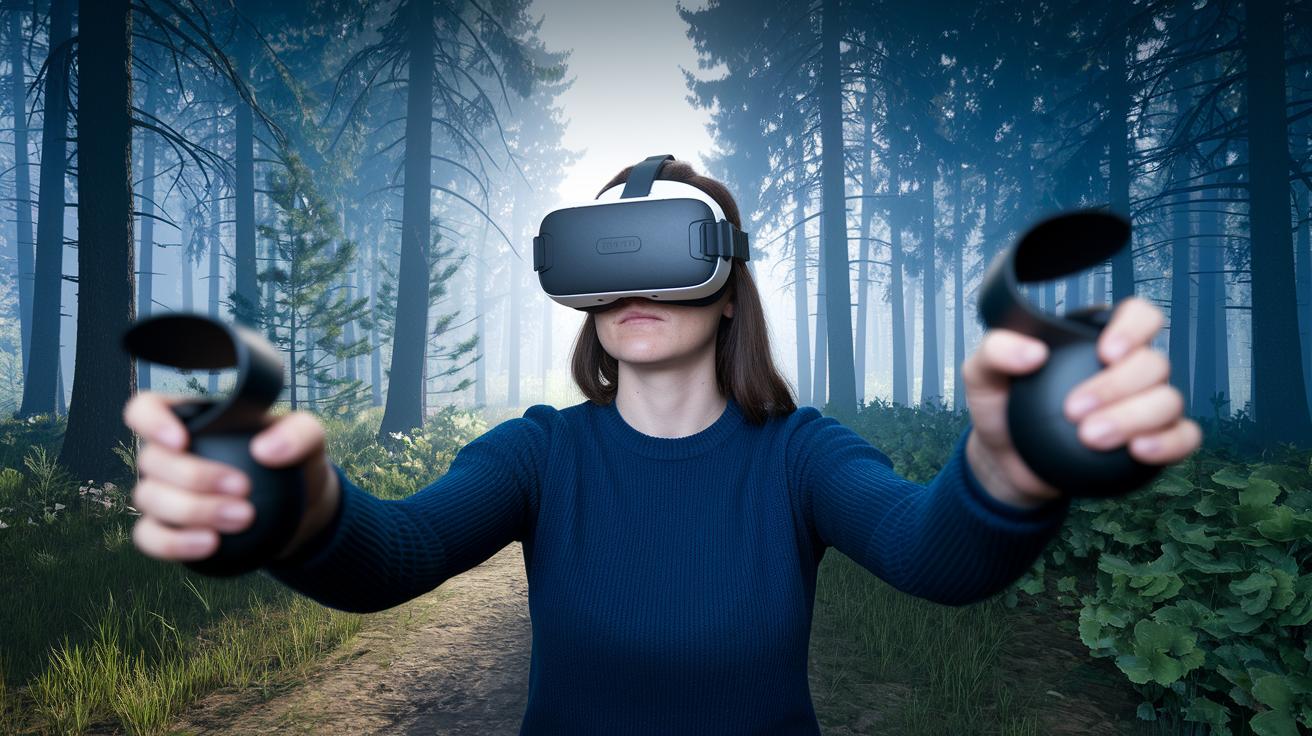
Virtual reality creates a computer-made space that grabs all your senses. You put on a headset, grab special controllers, and step into a world that wraps around you 360 degrees. When you're there, everyday distractions fade away and you get lost in a digital dream. Imagine waking up and finding yourself in a virtual forest where every rustling leaf and distant bird song feels so real.
VR got its start back in 1962 with experiments like Morton Heilig’s Sensorama. Back then, it was a simple peek into a multi-sensory world of simulated sights and sounds. They might seem basic now, but these early devices sparked the creation of the modern headsets and interactive systems we use today. It’s wild how these simple beginnings changed the way we interact with computer-made worlds.
Today, virtual reality is a real hit. In 2023, about 65.9 million people in the United States and 171 million around the globe dove into VR experiences. The VR and AR gaming market is booming too, with projections hitting around $571 billion by 2025. These numbers show just how much digital exploration has grown into a fun and large-scale medium. By mixing vivid visuals, interactive digital content, and lifelike simulations, VR continues to change the game for both entertainment and practical applications.
Key Technologies Driving VR Digital Experiences
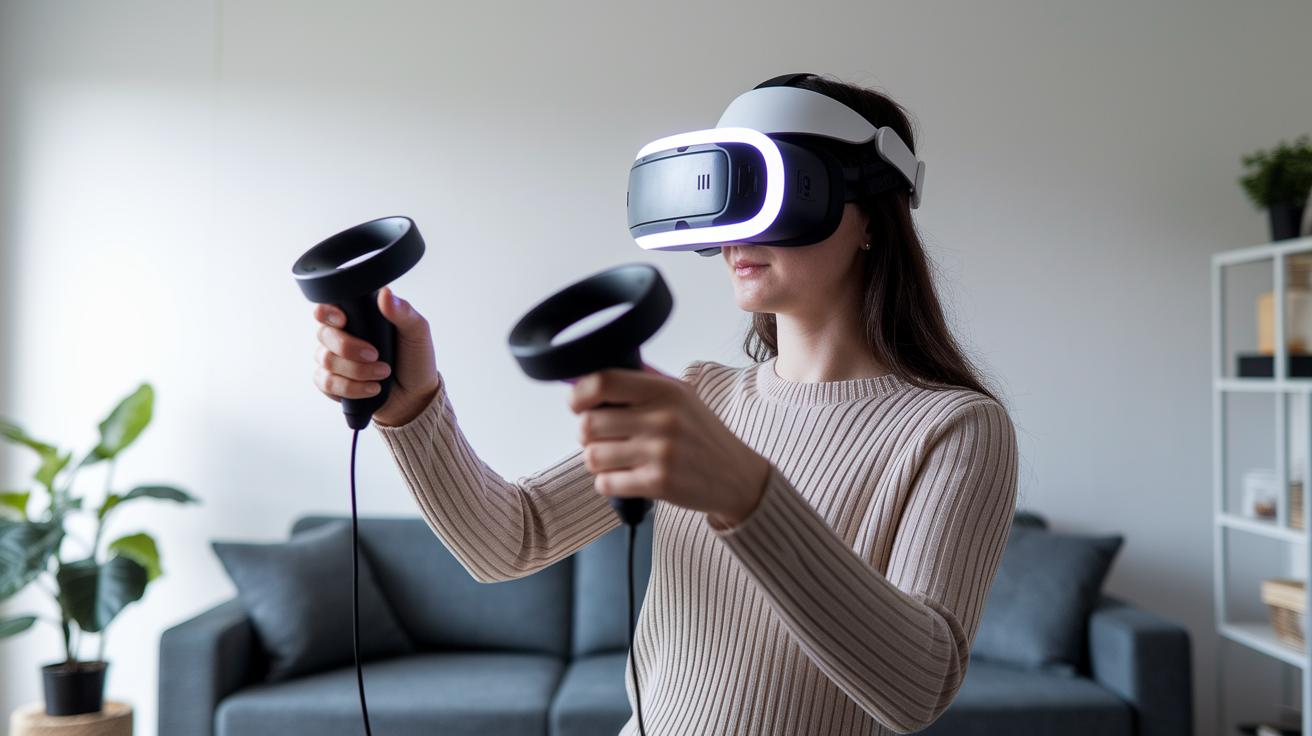
Modern VR adventures run on cutting-edge tech that brings virtual worlds to life. VR headsets now dish out bright, high-resolution images that make digital scenes look almost real. Advanced motion tracking picks up every little move you make in real-time, letting you dive right in without missing a beat. And with spatial audio, sound surrounds you from every angle, pulling you deeper into the experience. Plus, enhanced haptic feedback means you can actually feel digital touches through gentle vibrations, pretty cool, right?
Below are five standout technologies lighting up VR:
- High-resolution display panels: They serve up crystal-clear visuals so every detail shines.
- Six-degrees-of-freedom motion tracking: Captures all your movements for an easy, natural interaction.
- Spatial audio engines: Spin sound all around, making every whisper and beat feel like it's right beside you.
- Haptic controllers: Add a touch of reality with vibrations that mimic what you’d feel in the real world.
- Positional sensors: Keep track of where you are so your movement through virtual space is smooth and seamless.
Virtual Reality Digital Experiences Inspire Bold Imagination
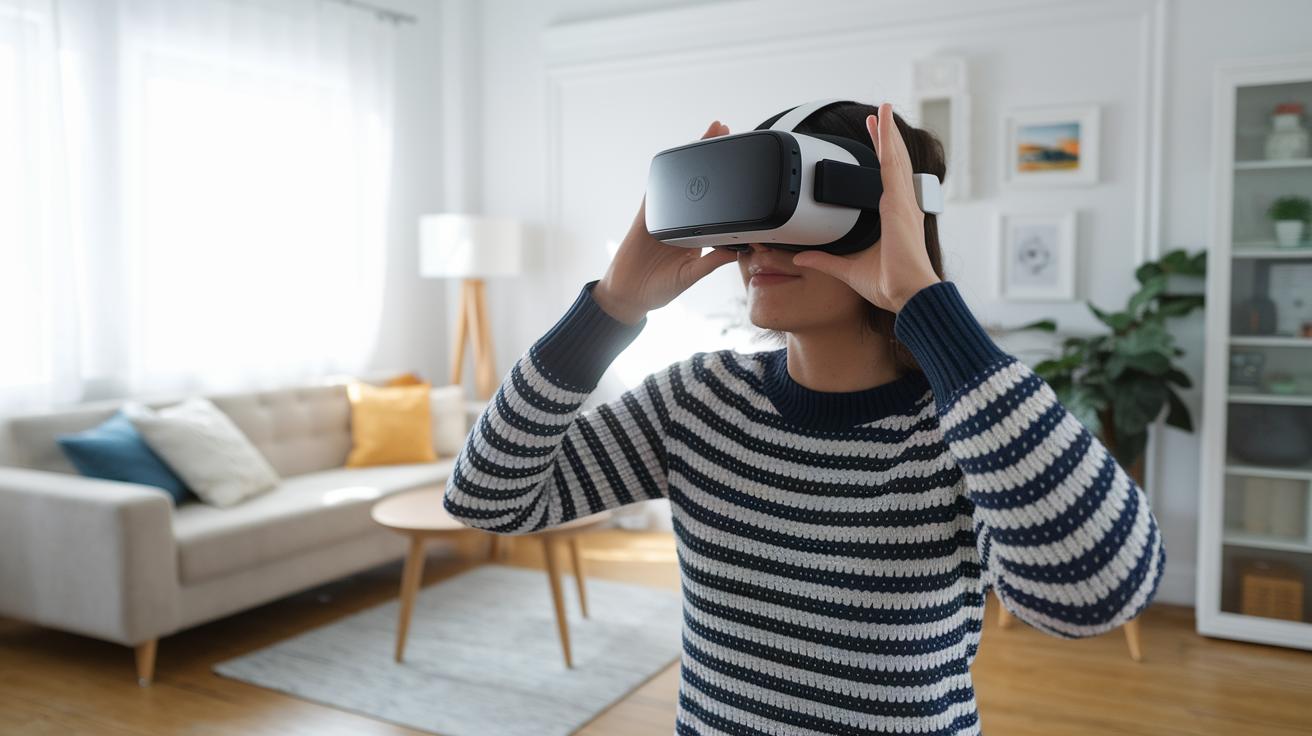
Virtual reality is shaking up the way we dive into different worlds. In gaming, rich, round 360-degree scenes let you live out stories that feel almost real. Imagine hopping into a virtual battle or stepping into a magical land, every sound and flash pulls you right into the moment. Even classrooms and training sessions are getting a boost, as VR lets you wander through science labs or roam ancient ruins in an interactive setup that lights up your curiosity and builds real skills.
And it doesn’t stop there. VR is opening fresh doors in healthcare and real estate too. In medicine, simulations create gentle spaces for treatment, like helping someone slowly face their fear of heights. Retail and property hunting are getting a makeover as well, think virtual tours that let you explore homes and offices with ease and excitement. All these uses grab your attention and bring new twists to industries that used to be stuck in the real world.
| Industry | Use Case |
|---|---|
| Gaming | 360-degree immersive worlds for thrilling gameplay experiences |
| Education & Training | Real-world simulations that make learning hands-on and fun |
| Healthcare | Virtual therapies that gently introduce challenging experiences |
| Real Estate | Interactive property tours that bring spaces to life |
Virtual reality keeps fueling bold creativity by blending digital art with real-life touches across different fields.
Comparing VR Platforms and Compatibility
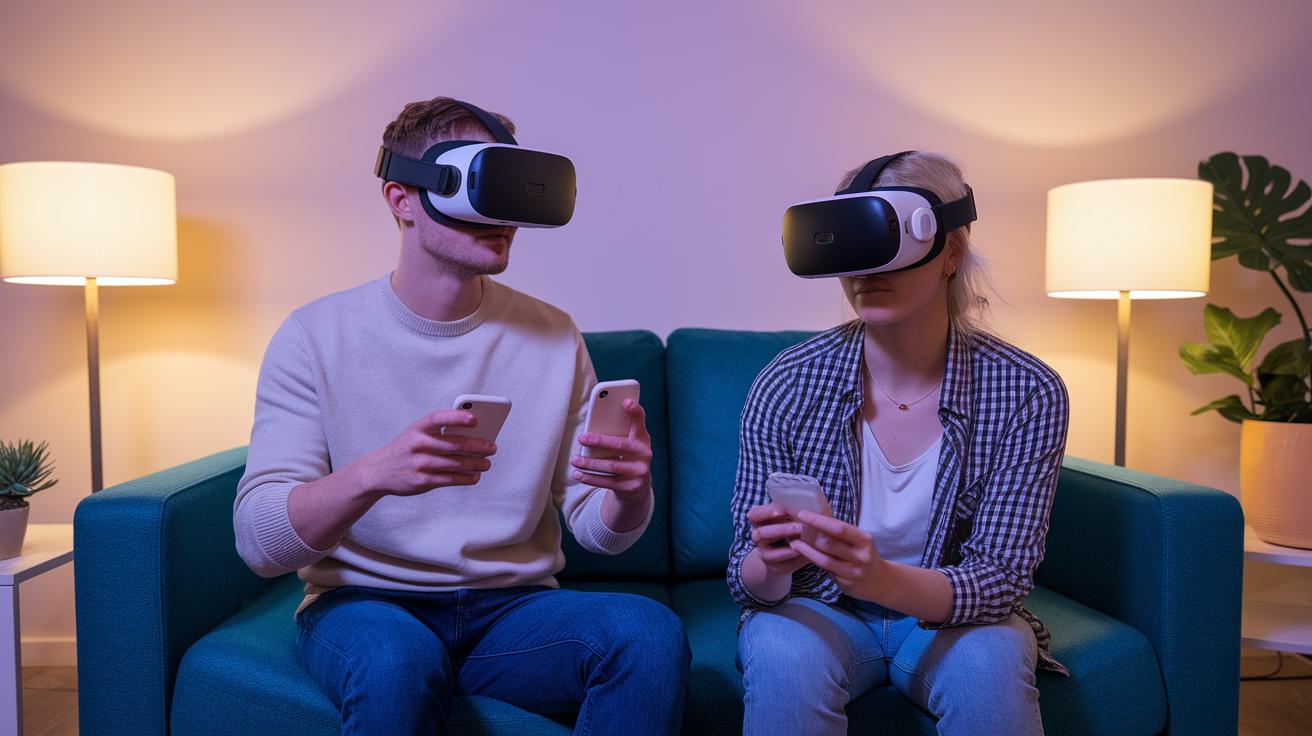
VR headsets come in different flavors to match your needs and tech setup. Some headsets work all by themselves, imagine the thrill of diving into a digital world without any extra gear, while others need to hook up to additional hardware for an even richer experience.
| Headset Category | Description | Compatibility |
|---|---|---|
| Standalone | Runs on its own, no extra parts needed | Works with mobile devices and all-in-one systems |
| Tethered | Connects to a PC or console for extra power | Built for Windows PCs and dedicated gaming consoles |
| Console-based | Made to fit perfectly with your gaming system | Only works with specific gaming consoles |
Choosing the right headset boils down to what matters most for you, ease of use or high-end performance. Standalone systems are perfect when you need a quick setup and love the simplicity of being on the go. Tethered models, on the other hand, bring richer details and smoother tracking when they team up with a PC or console. And if you’re all about your gaming rig, console-based headsets slot right in, offering a focused experience just for you. Think of it like picking out the right outfit for a fun night, go with what fits your digital adventure best.
Best Practices for Designing Immersive VR Digital Experiences
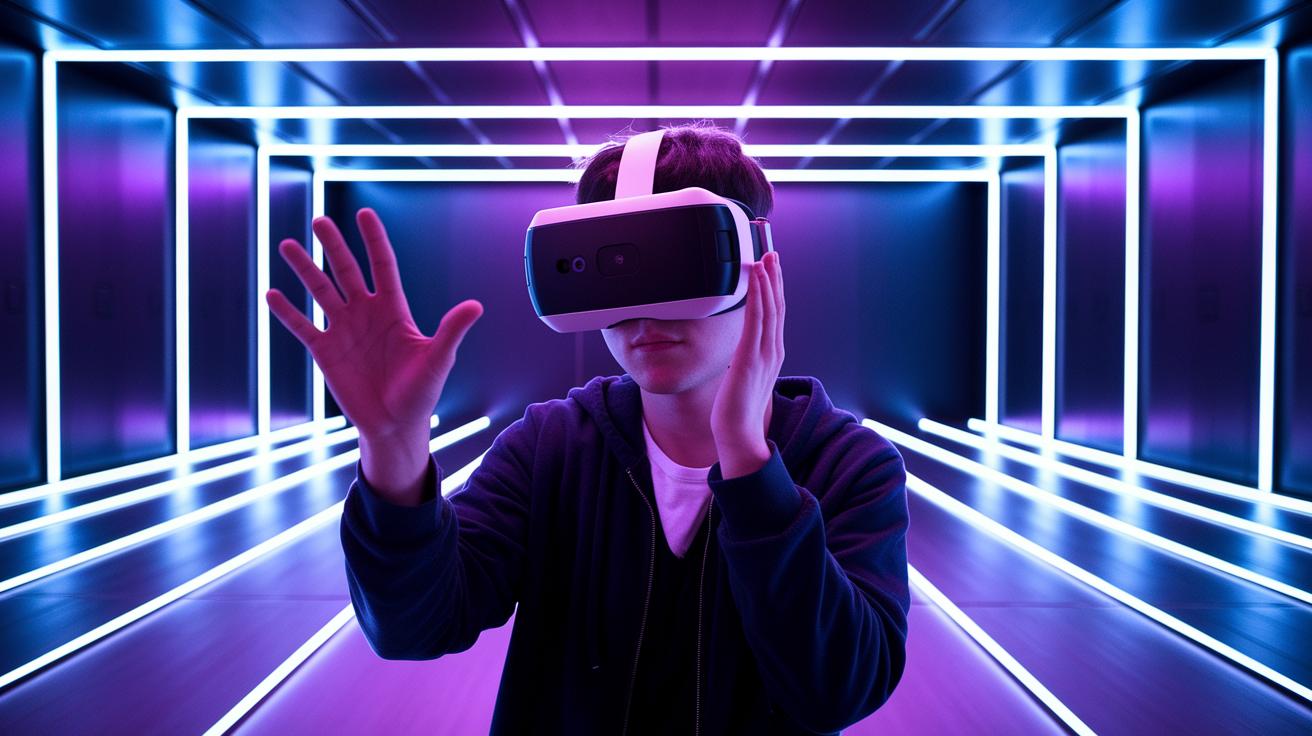
Creating a great VR experience is all about building a world that feels both real and exciting. Imagine entering a live concert where every sound and light pulls you into the moment. Designers mix crisp visuals with lifelike sounds to invite you right into the story. With a bit of thoughtful planning, from crafting digital landscapes to setting up rich soundscapes and interactive spots, a basic simulation transforms into an unforgettable event where you actively shape the experience.
Here are some simple guidelines to help bring your digital world to life:
- Optimize 3D visuals for depth perception – Arrange layers and shadows so every scene pops like you’re really there.
- Implement spatial audio for directional cues – Use sound that moves naturally around you, making it clear where action is happening.
- Design intuitive interaction systems – Create controls and touchpoints that feel natural, letting you explore without any hassle.
- Craft branching narratives for user agency – Build in choices that steer different story paths so that each journey feels uniquely yours.
- Integrate mixed media elements seamlessly – Blend video, graphics, and text in ways that enhance the virtual vibe.
- Conduct user testing on world-building – Regular testing with real users helps fine-tune the experience and smooth out any glitches.
Following these guidelines can help you design VR landscapes that invite exploration and make every digital detail count, putting you right at the heart of the experience.
Emerging Trends in Virtual Reality Digital Experiences
Virtual reality is really taking off. In 2023, about 65.9 million people in the US and 171 million worldwide are diving into this tech. Thanks to amazing digital upgrades and immersive experiences, the market is set to hit $571 billion by 2025. It’s clear that more people than ever are feeling the thrill of stepping into these vivid digital worlds.
VR isn’t just for games anymore. Now, it’s making its way into things like corporate training and online events. Imagine joining a virtual workshop where the lessons feel as real as being there in person. Companies are already using VR to create realistic scenarios that help workers practice important skills in a safe, engaging way. It’s not only fun, it’s a powerful tool for learning and teamwork.
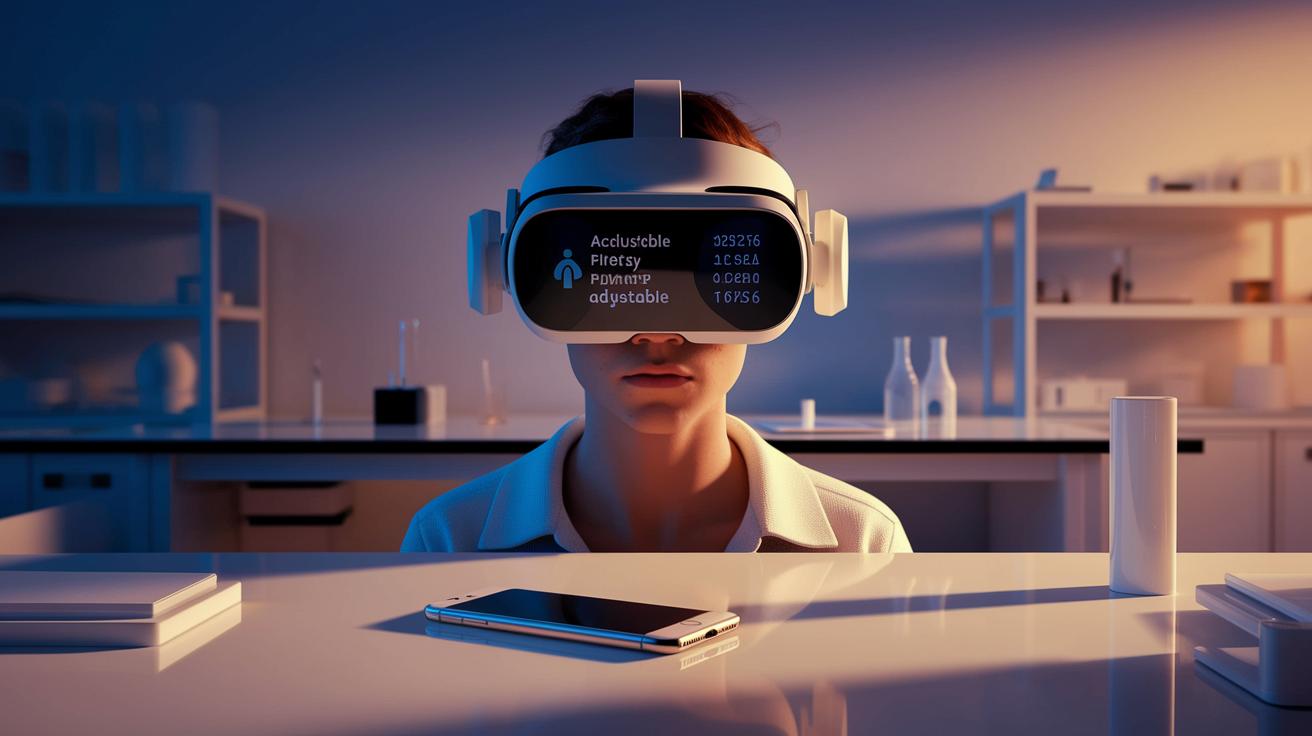
And here’s something cool: new accessibility rules under WCAG are starting to include VR. These updates bring clear signs for navigation, adjustable visual and audio settings, and alternative ways to control the experience. In short, VR is becoming open to everyone, making it easier for all of us to join in and enjoy the magic of these digital spaces.
Accessibility and Compatibility in VR Digital Experiences
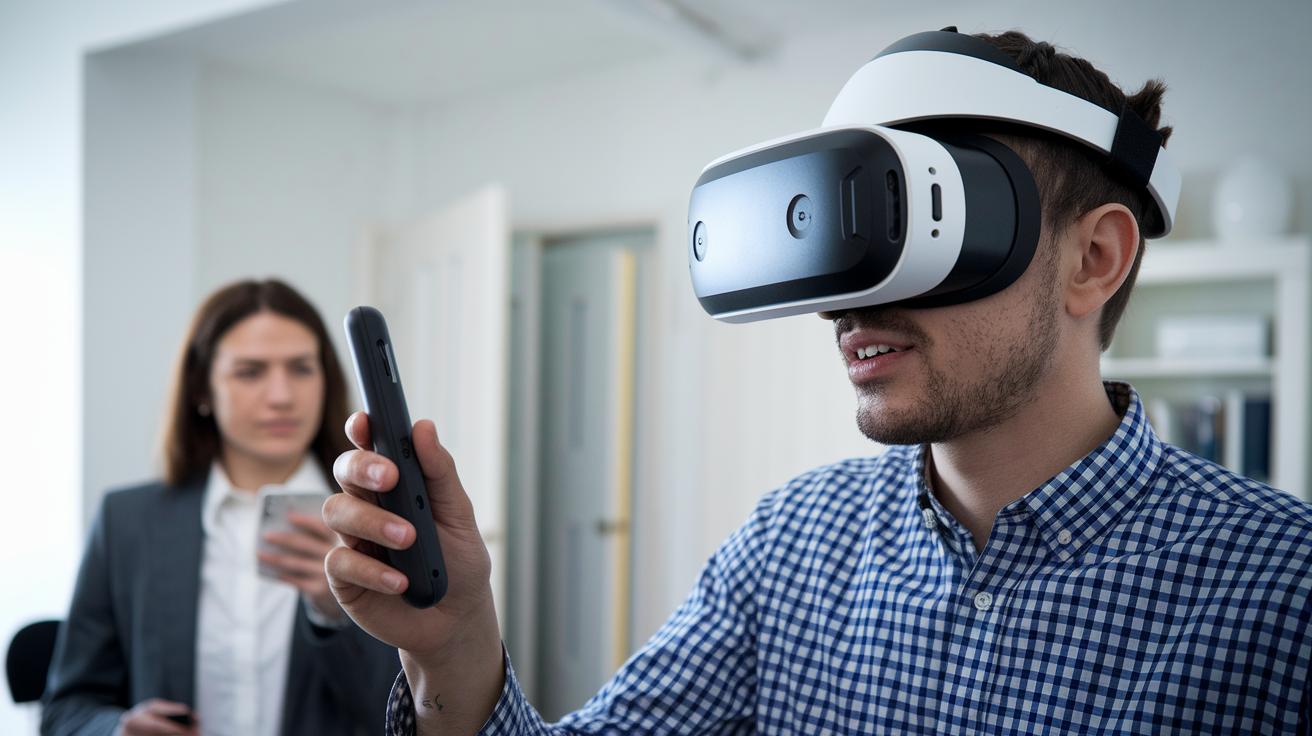
VR tech sometimes falls short on keeping things easy for everyone. Lots of experiences need customizable controls, adjustable visuals, and extra ways to interact so no one feels left out. A few small tweaks can break down barriers and let everyone enjoy the excitement of immersive content.
Platform choice plays a big role too. Special setups can link up hardware and software across many devices, making the whole experience smoother. Clear navigation cues and flexible interfaces help guide you without any hassle.
One cool strategy is to build in settings that let you change audio levels, brightness, and control layouts on the fly. Imagine a VR app that lets you toggle between voice commands or hand gestures whenever you want. This kind of flexibility makes the experience more welcoming and personal.
Another great approach mixes simple content creation tools with smart, easy-to-use platforms. By combining creative digital art techniques with intuitive controls, developers offer real-time adjustments and alternate ways to move around. In short, these integration tricks make setting up and enjoying VR much easier for everyone.
Final Words
In the action, we explored how VR creates immersive digital adventures, from defining its core concepts and tracking its evolution to showcasing cutting-edge technologies and real-world applications. We examined different headset types, best practices for designing engaging environments, emerging trends, and strategies to keep VR accessible and compatible. As you experience virtual reality digital experiences, remember that every insight offered here brings us closer to a future filled with innovative, interactive entertainment.
FAQ
Q: What are virtual reality digital experiences, examples, and technology?
A: Virtual reality digital experiences refer to computer-created worlds using VR headsets, controllers, and sensors. They include digital concerts, simulated travel, and interactive games—each offering an immersive, engaging adventure.
Q: What is a virtual reality headset?
A: A virtual reality headset is a wearable device that shows computer-generated 3D environments. It lets users immerse themselves in digital scenarios through visuals and motion tracking.
Q: What was the first VR headset?
A: The first VR headset is often linked to early creations like Morton Heilig’s Sensorama from the 1960s, which laid the groundwork for modern immersive technology.
Q: What is a virtual vacation and are there VR travel experiences?
A: A virtual vacation uses VR to simulate travel destinations, letting users explore distant landscapes and cultural experiences from the comfort of their home.
Q: How does augmented reality differ from virtual reality?
A: Augmented reality overlays digital images onto the real world, while virtual reality creates fully computer-generated environments for users to step into and explore.
Q: What are virtual reality games?
A: Virtual reality games place players in interactive, 3D worlds using headsets and motion sensors. They transform gameplay into an immersive, physically engaging experience.
Q: Is the VR experience worth it?
A: The VR experience is worth it for those seeking immersive digital interactions that transform entertainment and travel. Its value depends on personal interests and tech readiness.
Q: How much does it cost to create a VR experience?
A: Costs can vary greatly, ranging from affordable budgets for simple simulations to larger investments for detailed, interactive virtual worlds with advanced technology.
Q: What are some popular VR headsets and related bundles available?
A: Popular devices include Meta Quest 3S, 256GB Oculus Quest 2, Apple Vision Pro with a solo knit band, Oculus Rift, Meta Quest 3, and the 2023 Sony PlayStation VR2 bundle—each offering unique features for immersive experiences.