Have you ever thought that screens could come alive? Imagine a digital world where art, technology, and live energy mix together into moments that feel custom-made for you. It's a bit like stepping into a moving art show, where every sound and image jumps to life when you interact with it.
In this blog, we dive into how tools like augmented reality, which adds digital layers to the real world, and virtual reality, which lets you explore entirely new worlds, create lively, interactive experiences. Get ready to see how these digital tools can turn everyday moments into engaging events that feel truly alive.
Foundations of Immersive Digital Experiences
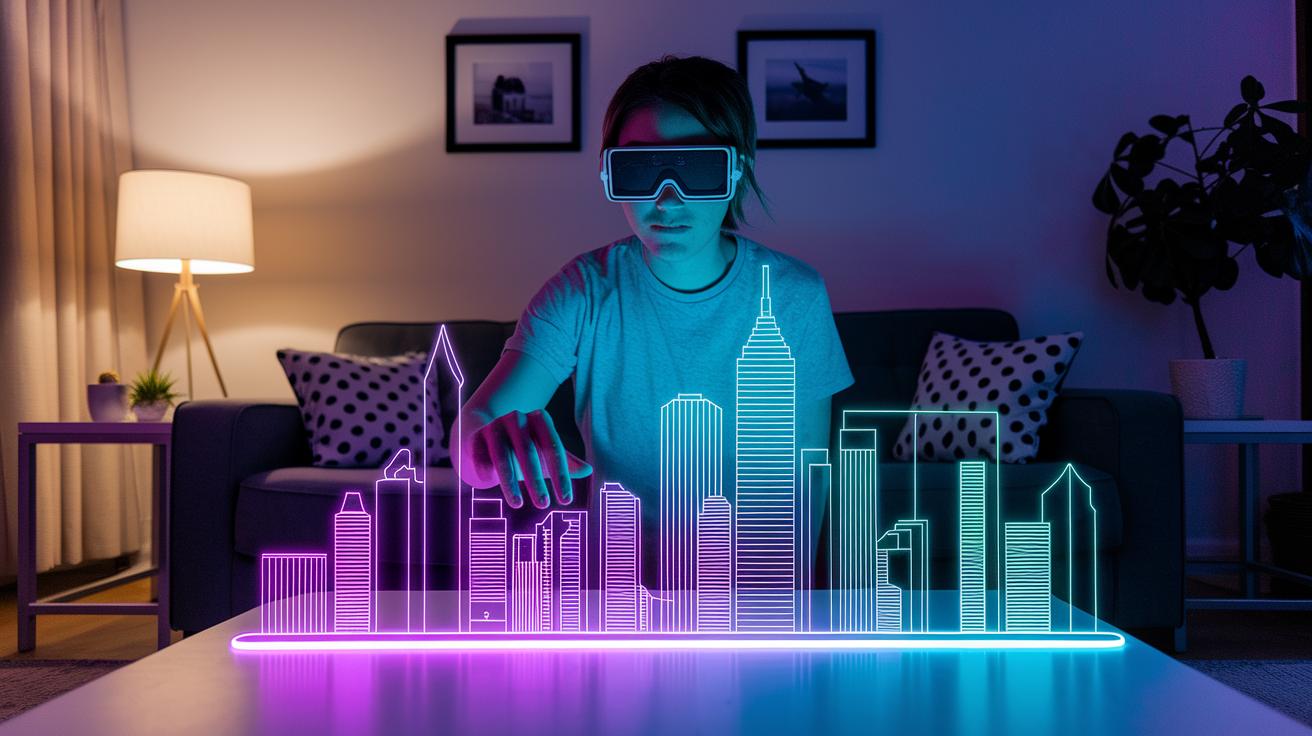
Immersive digital experiences spark interactive brilliance by drawing you into vibrant digital worlds. They blend art, technology, and live creativity into one exciting journey. Picture stepping into a space where every sight and sound makes you feel like the scene was made just for you, much like an art show where digital effects change as you move.
These experiences rely on three key tools. AR adds digital images and sounds to the real world. For example, in some stores, you might see virtual try-ons on mirrors that mix everyday reality with a splash of digital magic. VR, on the other hand, drops you into a fully computer-made 3D world, as if you’re stepping into a different realm. MR mixes what’s around you with digital elements, kind of like a live concert where the stage comes alive with interactive graphics that sync with the music.
Cool tools back up these core methods, too. Digital twins make real-time digital copies of physical things, while haptics create the sensation of touch to make it all feel more real. And thanks to AI and machine learning, every encounter gets a personal twist, keeping the experience fresh and uniquely engaging.
Key Technologies Driving Immersive Digital Experiences
Immersive digital experiences come alive with a mix of cool tech tools that make images, sound, and touch feel real and engaging. Each tool plays its part, from adding extra layers of visuals to offering smart, frame-by-frame updates.
-
Augmented Reality uses your phone or smart glasses to add digital info into your everyday view. For example, at an AR exhibit, you might see a historic building glow with animated details right before your eyes.
-
Virtual Reality lets you step into a whole new world with a headset. Imagine exploring a vivid digital forest where every sound and light surprises you as you move around.
-
Mixed Reality blends digital images with your actual surroundings so that virtual objects interact with real spaces. Think of a digital sculpture that shifts its color and shape as you casually stroll by a real art display.
-
Digital Twins create live, virtual copies of real systems or places so you can interact with them in real time. Picture a virtual city where traffic and crowds move just like in the real world, letting you explore and plan on the fly.
-
Haptics gives you a touch-like feel through your devices. Imagine watching a digital sports game where sensors let you feel a friendly pat or the buzz of the game around you.
-
Spatial Audio wraps you in sound from all around. In a digital concert, you might hear music coming from different directions, making it feel as if you're right there in the crowd.
-
Artificial Intelligence and Machine Learning watch how you interact and adjust the visuals and sound as you go. Picture an interactive tour that changes its story based on your choices, so every moment feels fresh and personal.
Together, these technologies mix together like a great live performance, setting the stage for an exciting, interactive digital future.
Designing Immersive Digital Experiences: Best Practices & Frameworks
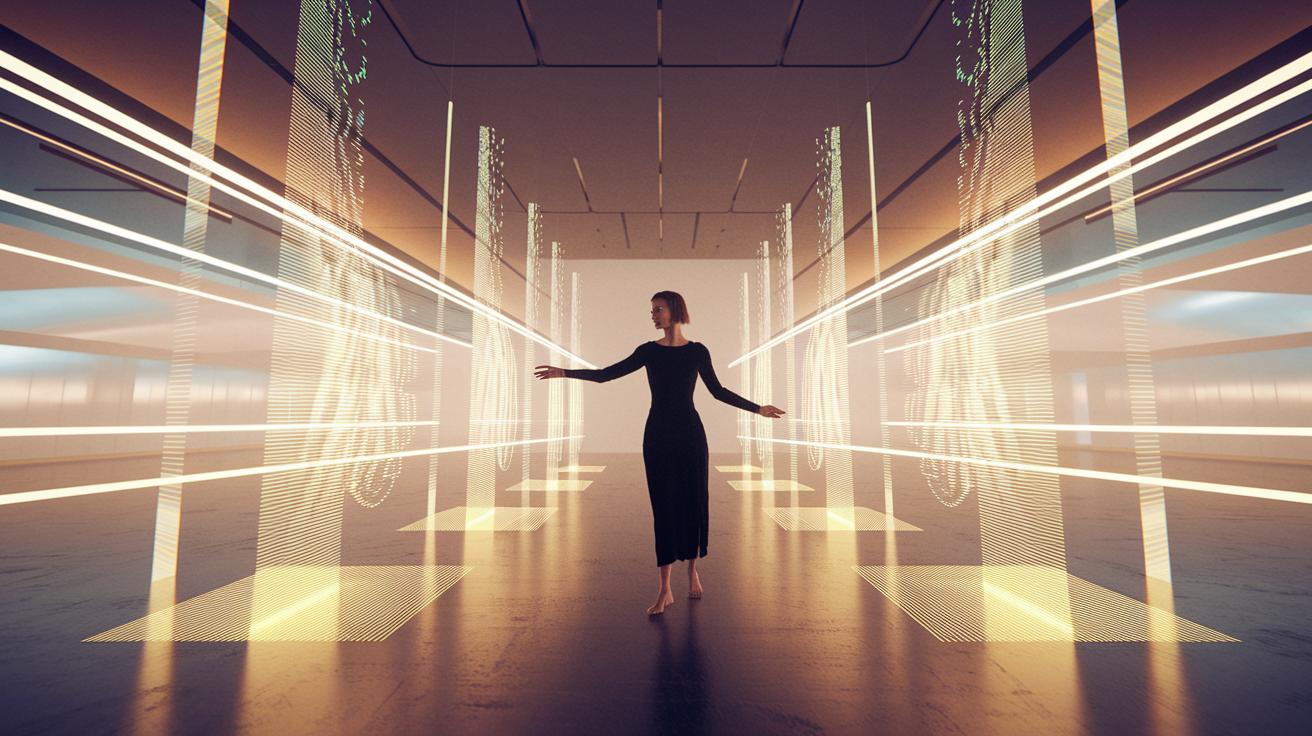
Smart design brings digital worlds to life by mixing clean visuals with interactive elements that tickle our senses. With these ideas, you can create next-level displays on digital platforms and innovation labs that set the stage for unforgettable stories and real user joy.
-
Visual Realism
Make your graphics look as real as possible so that digital spaces feel natural and inviting. Think of a digital gallery where every shadow and shimmer adds a touch of magic to the scene. -
Sensory Engagement
Stir up all the senses by blending visuals, sounds, and touches that pull users right into the experience. For example, imagine an exhibit that even uses gentle vibrations to sync with a mellow beat, adding a whole new layer to the interaction. -
Spatial Audio
Place your sounds in a three-dimensional space that moves with your audience. Picture a virtual concert where the music swirls around you, making every note feel as if it's dancing in the air. -
Narrative-Driven Storytelling
Weave stories that mix clear details with emotional twists to form strong connections. Imagine uncovering clues hidden in interactive visuals, letting the story unfold like a mystery that keeps you hooked. -
Emotional Engagement
Design features that spark feelings of wonder and excitement. Picture moments where a simple click or swipe lights up a scene, making users feel a natural rush of delight. -
Cross-Platform Accessibility
Ensure your digital experience shines on any device. Whether someone’s on a mobile, tablet, or desktop, a smooth, accessible design means more people can join in on the fun.
Smart design choices, built on user experience insights and a love for great visuals and storytelling, come together to create a digital experience that's both memorable and heartwarming.
Immersive Digital Experiences in Action: Industry Use Cases
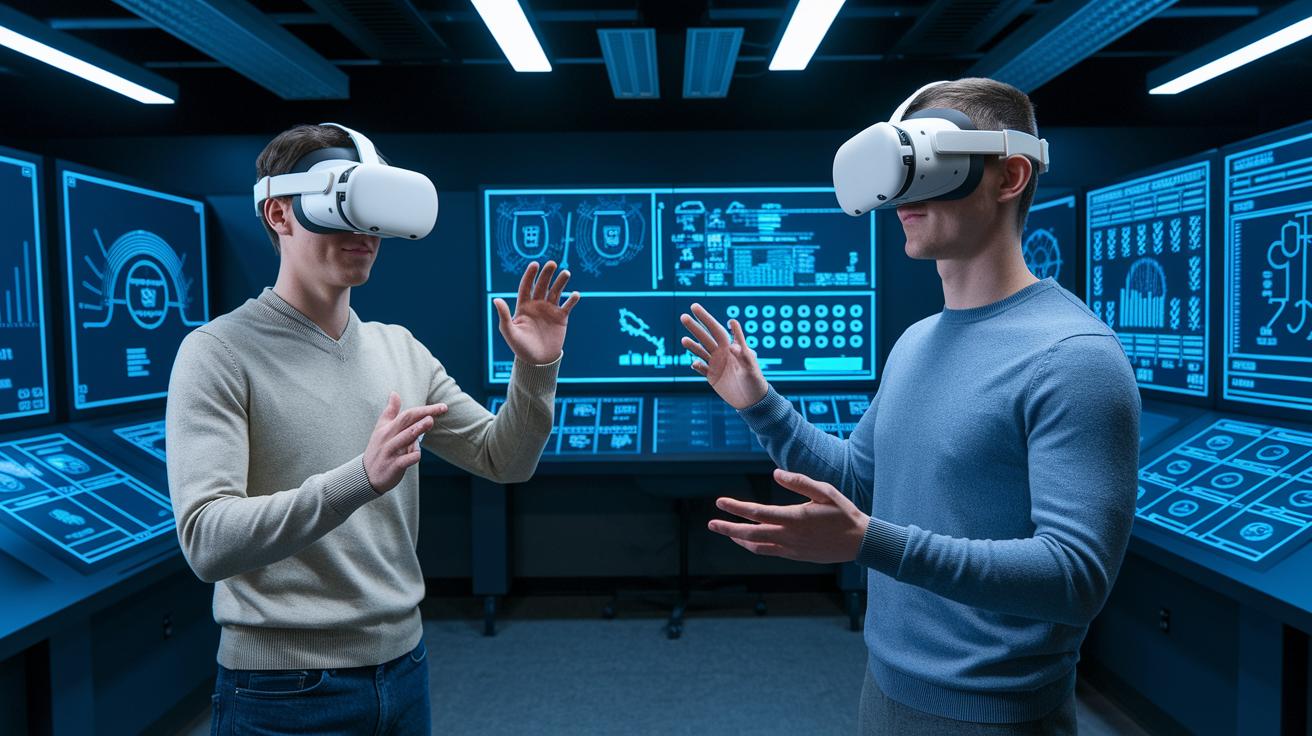
Today, companies are lighting up their strategies with immersive digital experiences. They use smart tech like AR (that’s digital info layered on the real world) to make training sessions sparkle and offer virtual tours that let you explore a destination without leaving home. It’s like stepping into a digital canvas where art meets innovation, and everyday tasks feel just a bit more magical. Imagine a farming tech firm using AR for hands-on training, or a news team turning stories into interactive adventures that you can almost feel.
| Industry | Example Application | Benefit |
|---|---|---|
| Agritech | AR training simulations by FarmWise | Boosted skills and more precise farming |
| Fintech | VR consultations and AR overlays by eToro | More engaging client interactions and clearer data views |
| Travel & Hospitality | VR tours via Marriott VRoom Service | Real-feel destination previews for smarter bookings |
| Healthcare | Simulation training like Medtronic’s Touch Surgery | Hands-on learning for better surgical precision and care |
| Retail | AR try-ons through IKEA Place | Better purchase choices and happier customers |
| Media | Digital storytelling via the NYT VR App | Content that grabs your attention and tells a story |
Across different sectors, immersive digital tech is bridging the gap between digital creativity and real-life needs. The trend is all about blending smart virtual experiences with everyday workings. Whether it’s powering up healthcare training or turning a shopping trip into an exploration, these tech-driven tools show that innovation can make every field feel like a spot of interactive magic.
Implementing Immersive Digital Experiences: Technical Workflow
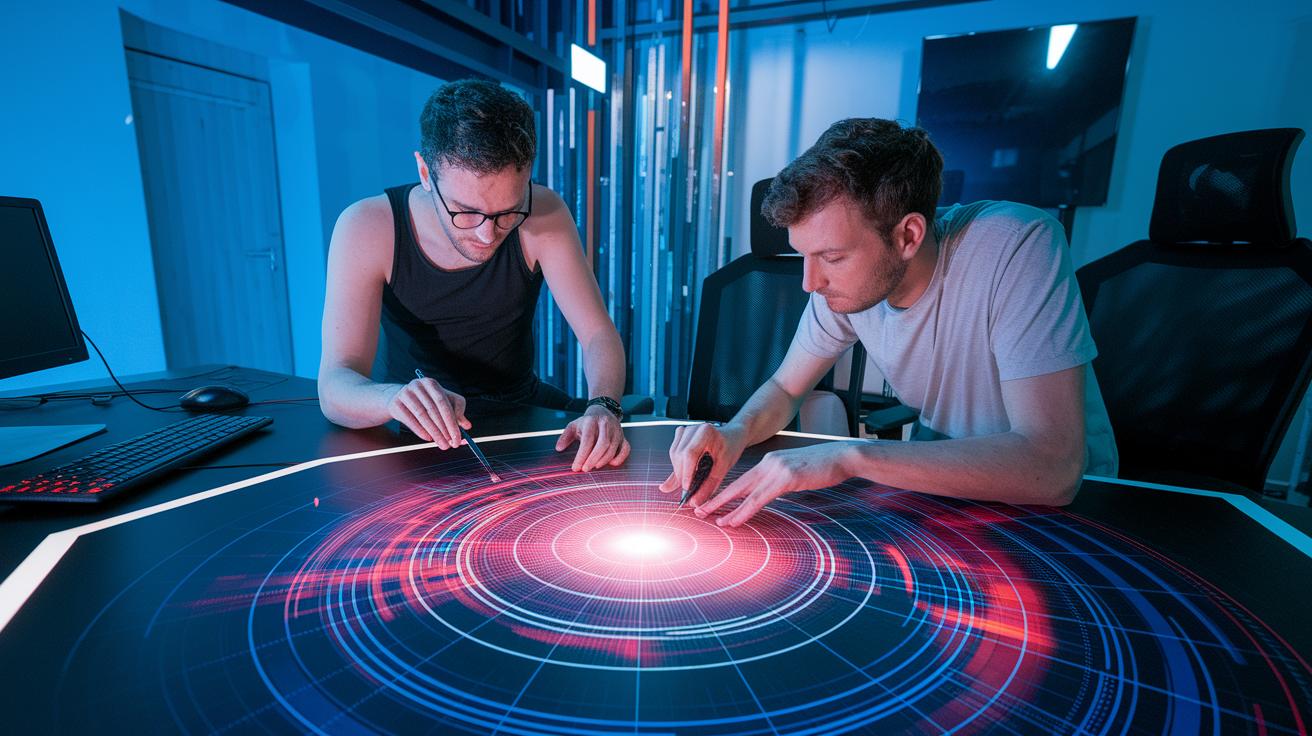
Bringing immersive digital experiences to life calls for a simple, step-by-step plan that turns bold ideas into interactive digital art. Teams begin by laying out their vision and choosing the right tools, blending creativity with smooth execution. The result is a virtual world that feels fresh and instantly engaging.
-
Planning & Concept Development
Start with a strong idea and clear goals. Think of it as sketching the blueprint for a cool digital stage. -
Technology & Platform Selection
Pick the best platform for your project. For example, TouchDesigner works great if you need a tool for complex installations. -
Prototyping & 3D Asset Creation
Build early models and design 3D pieces that bring your vision to life. This step helps make your creative ideas feel real and flexible. -
Integration of AR/VR/MR Modules
Add in elements of augmented, virtual, and mixed reality. In simple terms, you mix digital visuals with the real world to boost interactivity. -
Testing & User Feedback
Try out your work and listen to what users have to say. This feedback helps you adjust the experience to make it even better. -
Deployment & Maintenance
Launch your project and keep an eye on its performance. Regular updates ensure the digital experience remains smooth and exciting.
Many hands-on workshops back up this workflow. You might join a 3-hour deep dive into TouchDesigner to learn multi-touch 3D installation techniques, or watch a 2-hour video that covers pricing and pitching creative projects. Additional courses on advanced Python, network optimization, UI design with widget systems, SOP data visualization, and Kinect 2 integration give you the practical skills to turn immersive digital ideas into lively, interactive realities.
Measuring and Optimizing Immersive Digital Experiences

When you're ready to boost your digital content, it all starts by checking out the numbers behind every click. With the right metrics, you can see exactly how people are diving into your online world and get a clear picture of what resonates. This insight lets you tweak your content on the fly, smooth out your workflows, and make smart choices that up your game across all your platforms.
-
User Engagement Time
Watch how long visitors stick around with your content, it’s a great way to tell if you’ve captured their interest. -
Interaction Counts
Count every click, swipe, or tap to spot which parts of your experience really grab attention. -
Conversion & Purchase Rates
See how digital interactions turn into sign-ups or purchases, giving you a peek into what drives real action. -
Retention & Return Visits
Track how many folks come back for more; frequent returns mean your content is making a lasting impact. -
User Feedback & Satisfaction Scores
Gather honest comments and ratings straight from your users to know what works and what could be even better.
By using smart AI tools that personalize in real time, you can adjust your content as needed. This steady flow of feedback makes it simple to fine-tune every experience, helping you keep your users happy and coming back for more.
Future Trends in Immersive Digital Experiences
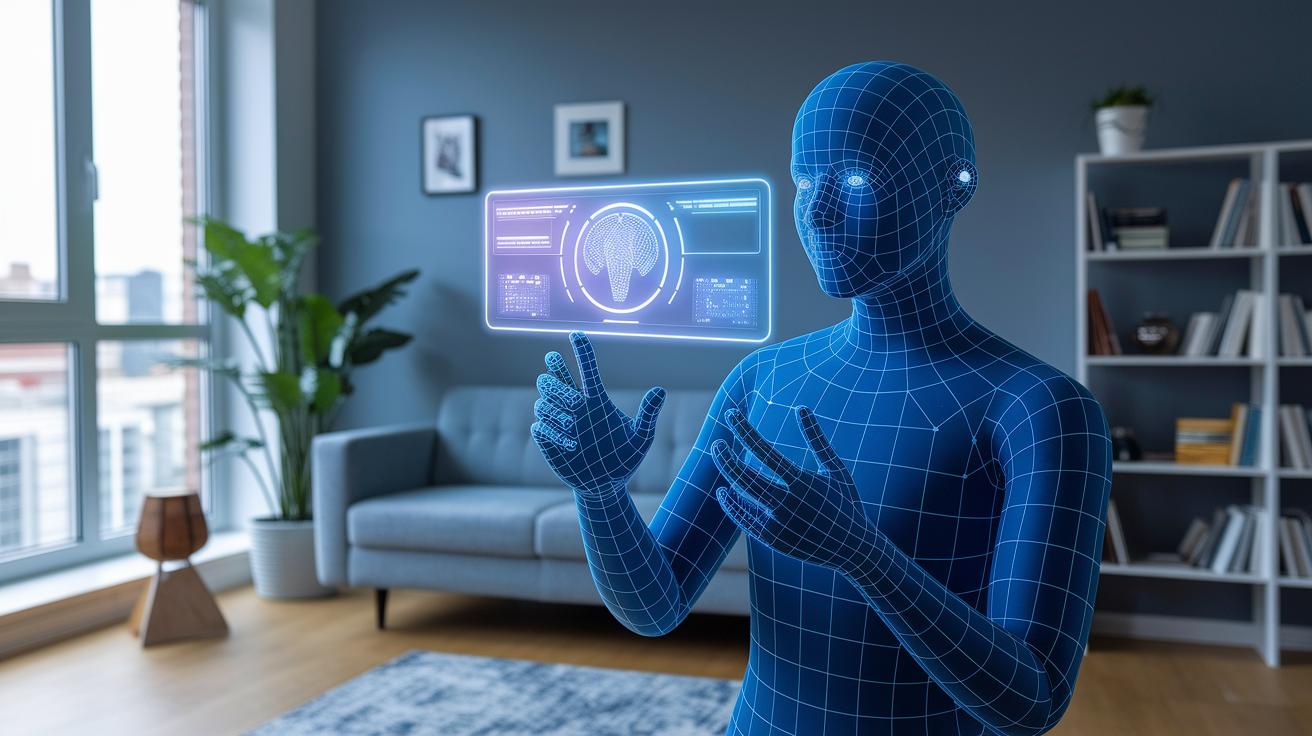
Picture this: a world where every tap, glance, and sound creates its own little adventure. New tech is quickly transforming our digital playground into something really exciting, blending art and innovation in ways we never imagined.
-
Digital Twins for live system simulation – Imagine stepping into a digital copy of a concert hall, where every shift in light and sound mirrors the real-time vibe of a live performance. It’s like having the energy of an electrifying show captured right on your screen.
-
AI & Machine Learning for adaptive storytelling – Now, think about a story that changes with every decision you make. Your choices shape the narrative, making each moment feel fresh and personal as if you were part of its creation.
-
5G and Edge Computing for low-latency delivery – Picture a digital art show where every interaction happens instantly. With ultra-fast tech, there’s zero lag, so every beat and brushstroke connects you to the display in real time.
-
Spatial Computing that merges physical and virtual layers – Visualize a space where digital images blend seamlessly with your surroundings. Whether at home or work, the tech turns your everyday environment into a dynamic, interactive canvas.
-
Advanced Sensor Integration for richer haptic and environmental feedback – Imagine digital displays that let you feel textures and gentle vibrations, adding a whole new tactile layer to your experience.
These trends aren’t just tech buzz, they’re laying the groundwork for truly immersive digital experiences that will redefine how we feel, interact, and create in the digital era.
Final Words
In the action, the blog laid out the core ideas behind immersive digital experiences. It described the basics, explained tech tools like AR, VR, and MR, and shared smart design tips. Real-world examples showcased how these ideas come to life, while step-by-step guides offered practical insights. Future trends hint at even more dynamic interaction possibilities. Every insight encourages a lively dialogue where creativity meets technology. Let's step forward into a world of interactive digital energy and lasting impressions.
FAQ
What is an immersive digital experience?
The immersive digital experience refers to interactive environments crafted with technologies like AR, VR, or mixed reality. It pulls you into an engaging digital realm where visuals, sound, and sometimes touch create a compelling narrative.
What does digitally immersive mean?
Digitally immersive means experiencing content that captivates your senses through interactive visuals and sounds. It transforms ordinary displays into engaging digital spaces that invite you to explore and interact in meaningful ways.
What is an immersive technology experience?
An immersive technology experience uses tools like augmented reality or virtual reality to build interactive scenarios. It enhances the way you perceive digital content by blending sight, sound, and even tactile cues for a captivating encounter.
What are some examples of immersive digital experiences?
Examples of immersive digital experiences include interactive light shows, digital art installations, and museum exhibitions with AR features. These setups transform spaces into vivid, interactive environments that offer fresh ways to engage with content.
Where can I find immersive art or museum experiences near me?
You can find immersive art or museum experiences by exploring local exhibitions and art shows featuring digital overlays and interactive displays. Check community listings or museum websites to discover upcoming events near your area.