Ever wonder how one small digital upload can launch an unknown artist into stardom overnight? Digital distribution mixes things up by getting content to fans almost instantly. Smart platforms track each play like points in a game, giving creators quick insights into how well they're doing. These systems turn a simple upload into a full-blown online event, sparking growth and fresh ideas. In short, these clever digital methods are the secret ingredient behind making a mark online.
Digital Distribution Explained: Platforms, Technologies, and Business Models

Imagine sharing your favorite song or movie with a friend instantly. Digital distribution is the process that sends digital content like music, movies, TV shows, video games, and ebooks over the internet. It takes what a creator makes, passes it through a retailer (or sometimes straight to you), and turns a simple upload into magic. Did you know that back in the early days, one upload could change an unknown artist into a household name overnight?
Back in the '90s and early 2000s, physical media like CDs and DVDs started to fade away. Artists began posting their tunes on platforms like Spotify and Apple Music so that fans around the world could listen. Filmmakers embraced sites like YouTube, Netflix, Amazon, and Disney, sharing their stories with a global audience. This switch not only cut down costs but also sped up delivery, like swapping a long, tiring trip for a fast, fun ride straight to your screen.
Today, producers and content creators team up with digital service providers to work smart. They use clear, user-friendly dashboards that show play counts and revenue, much like checking your own savings jar. Cloud-powered networks help deliver content everywhere, just like sharing your favorite playlist that reaches rooms and hearts across the globe.
Digital distribution is more than moving files, it turns content into an interactive, real-time experience. Fans can give instant feedback, and creators can adjust on the fly, keeping the digital world as vibrant and ever-changing as a live show.
Digital Distribution Channels and Platforms Overview
Digital distribution brings together a mix of multimedia channels that let fans enjoy music, movies, games, and ebooks from anywhere. Think of it like this: audio channels such as Spotify, Apple Music, and Amazon Music give up-and-coming artists a friendly stage to drop their new tunes. It’s almost like throwing a pebble into a calm pond and watching the ripples spread far and wide.
Video hubs like Netflix, Hulu, and Disney+ serve up films and TV shows as if they were stages for a live performance. And then there's YouTube, which still gives every creator a cool spot to share their work for free. Behind all this magic is a robust digital system that handles huge amounts of data, making sure streaming feels smooth and as thrilling as a live concert.
Gaming marketplaces such as Steam, Epic Games Store, PlayStation Store, and Xbox Store ignite the excitement of live multiplayer matches and spotlight indie games. Meanwhile, ebook platforms like Amazon Kindle and Barnes & Noble Nook turn written words into interactive adventures that keep readers hooked.
Distributors also play a big part, they handle digitizing files, sorting out details, and even offer streaming analytics that add a stamp of approval to every release. With new premiere services that help self-publishers reach more fans, every creative piece gets the chance to shine bright in the spotlight.
Digital Distribution Business Models and Revenue Structures
Digital platforms like Spotify Premium and Netflix rely on subscription plans where you pay a monthly fee to enjoy a huge library of content. This steady stream of payments means creators earn consistently every time someone listens or watches. Imagine signing up for a service where every play helps build a reliable income for your favorite artist.
Then you have freemium models, which you often see in mobile games. With these, you start off with free access to the basics, and if you want extra features, you can pay for them later. It’s a bit like trying a bite of dessert before deciding if you want the whole cake.
Other platforms, like YouTube and Pandora, stay free by showing ads. With every ad you watch, a little bit of money goes to the creators. Even a short ad breaks down into a small but important piece of their overall earnings.
Some services mix things up with competitive pricing that includes different subscription tiers and even one-time purchase options. They provide clear dashboards where artists can track plays, streams, and earnings in real time, almost like checking a live scoreboard during an exciting game.
| Model | Example | How It Works |
|---|---|---|
| Subscription | Spotify Premium | Regular payments for unlimited access |
| Freemium | Mobile Games | Free base content with optional paid extras |
| Ad-Supported | YouTube | Free access while ads generate revenue |
Digital Distribution Rights Management and Royalty Solutions
Distributors use digital rights management tools to keep unauthorized access out of the picture. They add subtle watermarks to content and enforce specific licensing rules. Think of these watermarks as a secret artist’s signature that tells you the work is genuine.
At the same time, smart royalty management systems track every play, download, and bit of revenue in real time. It’s like watching a live score update where each creative effort gets its moment in the spotlight. When an artist checks their dashboard, they can see each stat updating just like in a live game.
Some services even harness blockchain-powered ledgers to keep a rock-solid record of all royalty payments. This method acts like a digital safety lock, automating contract checks and protecting intellectual property in a secure, hassle-free way.
Then there are rights clearance solutions that help manage licenses for samples and cover versions. These modern systems ensure every release meets the rules across territories. They make digital distribution safe and smooth, letting creators focus on their art while technology takes care of every detail.
Comparing Digital Distribution with Traditional Physical Distribution
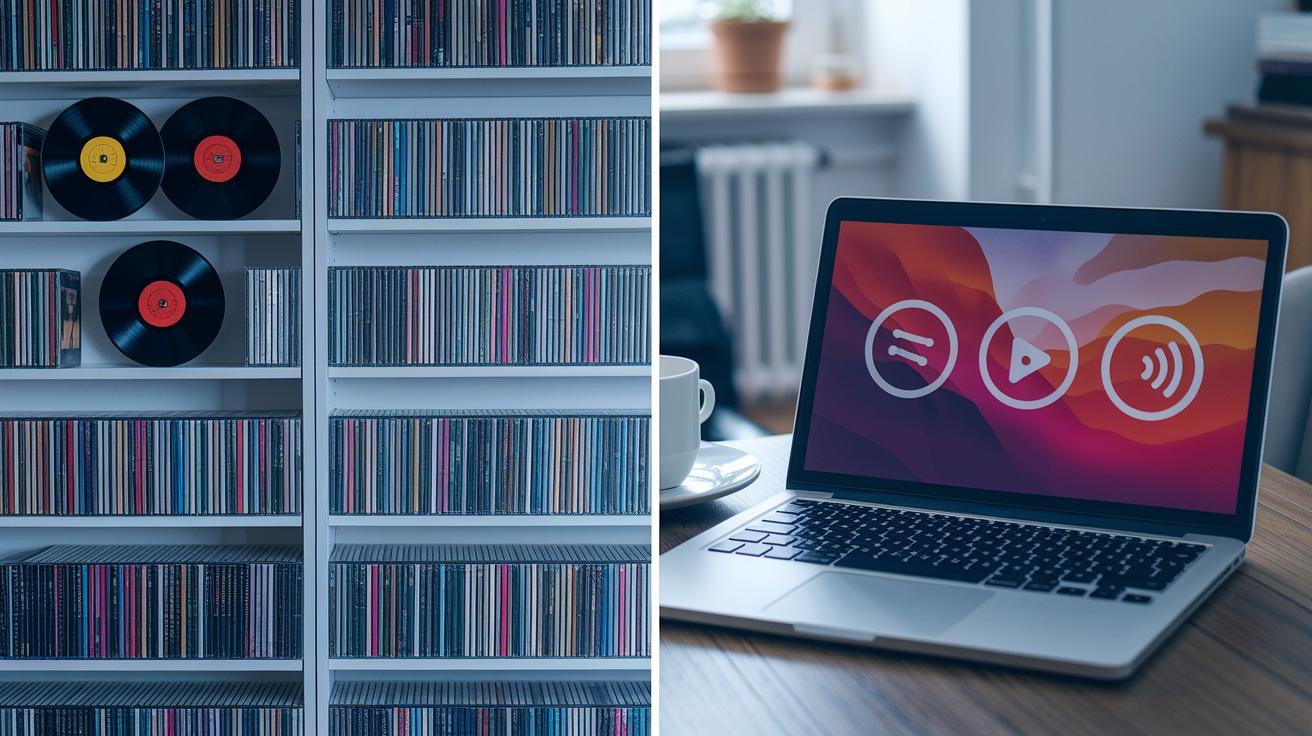
Back in the day, getting music to fans meant making real items like CDs, vinyl, and DVDs and putting them on store shelves. It was like having to build a mini factory for every album. This old-school method meant dealing with high costs, managing inventory, and facing issues like shipping delays and steep markups.
Digital distribution flips the script. Instead of expensive production, music is delivered straight to your device over the internet. That means artists and labels can reach listeners anywhere in the world almost instantly. Plus, selling music online uses simple e‑commerce strategies that skip the traditional roadblocks of manufacturing and shipping.
Of course, digital isn’t perfect. While files land on your device in a flash, some fans miss the tactile charm of a physical album and may face issues like license revocation. Even though digital channels generally lower overhead costs, there can be unexpected fees that shift the expense in different ways.
When music moved online, artists not only saved on production, but one instant digital drop could ripple across continents in mere seconds.
Digital distribution: Smart Models Boost Online Success
Next-gen ways of sharing content online are about to change everything. Picture a space where creators connect with fans directly, skipping the middle person. It's like magic , Web3 smart contracts automatically handle royalty payments while decentralized platforms use blockchain to keep everything clear and trustworthy.
Imagine launching content in a way that feels like a live, electrifying event. Streaming, social media, and live virtual happenings all blend together, creating a seamless experience that grabs your attention the moment it goes live. AI-powered engines pick up on what you love and adjust the vibe in real time.
Trendsetters today lean on solid data to predict what audiences want, making sure each digital drop lands perfectly. Direct-to-consumer models are bridging gaps between artists and fans quicker than ever, igniting fresh ideas in the dynamic world of online entertainment.
Final Words
In the action, digital distribution reshapes how music, movies, games, and ebooks reach us. We saw how online platforms streamline content delivery and spark new revenue models while keeping managers and creators in sync. Shorter, faster, and more direct methods open up fresh opportunities for creative exchange and real-time connection. The path ahead is filled with innovative tech and fresh digital experiences that promise to keep entertainment truly exciting.
FAQ
What do you mean by digital distribution?
The phrase “digital distribution” means delivering media content over the internet rather than through physical copies. It involves transferring digital files from creators to retailers or directly to users.
What is digital distribution in music and for artists?
Digital distribution in music and for artists means releasing tracks and albums via online platforms like Spotify, Apple Music, and YouTube. It allows artists to share music instantly with global audiences.
How do digital distribution business models and companies operate?
Digital distribution businesses operate by connecting creators with audiences through online platforms. These companies manage content uploads, streaming analytics, and sometimes royalty payments, making it easier for creators to reach fans.
Are there any free digital distribution options?
Free digital distribution means using platforms that let you upload and share content without upfront fees. Some services offer basic distribution and promotional tools at no cost while charging for premium features.
What are some digital distribution examples and what marketing strategies do they use?
Examples include music streaming services, video hubs like Netflix, and ebook stores. Marketing strategies often use social media campaigns, ad-supported models, and analytics to reach targeted audiences effectively.
What do digital distribution reviews say about platform performance?
Digital distribution reviews reflect on user experience, payout transparency, and global reach. They provide insights into how well platforms support creators and meet the needs of their audiences.
Which digital distribution platform is best?
The best digital distribution platform depends on your content and goals. Consider factors like audience reach, cost structure, and available features to choose the platform that fits your needs.
How much does digital distribution cost?
Digital distribution cost varies by platform and service level. Some charge per release or take a percentage of revenue, while others feature monthly subscriptions. Costs depend on the specific pricing model chosen.
Which distributors let creators keep 100% royalties?
Some distributors offer plans that let creators keep all royalties by charging upfront fees or offering pay-per-release options. Always review contract terms carefully before signing up for a service.