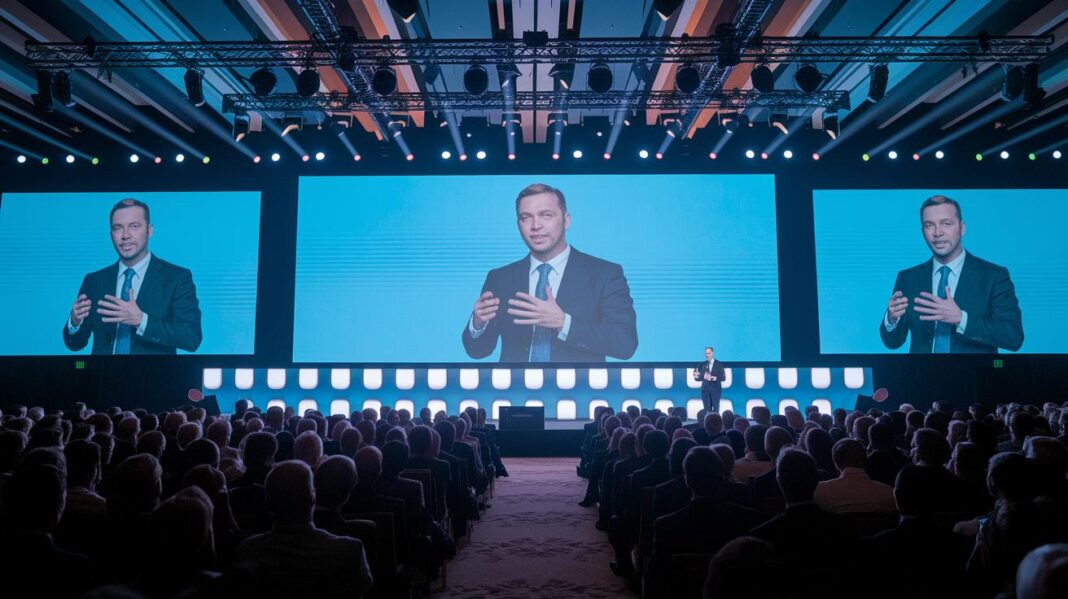
Have you ever noticed how one simple post can lift your mood, like a friend sharing a secret? Digital content brings the internet to life with easy-to-read stories, bright images, and fun sounds. It’s like hearing your favorite tune that instantly cheers you up or seeing a picture that tells a story you can’t ignore. From playful videos to friendly emails, digital content gives us a fresh way to enjoy online media. Today, let’s dive into how these creative pieces spark excitement online.
Digital Content Explained: Definition and Core Formats

Digital content is any type of information you can see, hear, or interact with online. It makes the online world exciting and fuels the art of digital storytelling. Imagine a mobile app that helps you plan your day, it’s like a friend giving you a handy calendar with a warm note.
There are different kinds of digital content. Software, like computer programs and mobile apps, works quietly in the background to keep things running. Visual content includes digital photos, fun videos, and lively animations that grab your attention. Audio content brings you music tracks and podcasts that fill your day with energetic sounds. And textual content, such as emails, data, or blog posts, delivers information in a friendly and easy-to-understand way, kind of like receiving a personal note about an awesome event.
All these content types are made, managed, and shared through websites, apps, and social media. This mix of words, images, and sounds creates a vibrant online experience that sparks creativity and tells stories in fresh, exciting ways.
Digital content Sparks Online Media Excitement

Digital content lights up our online world in many exciting ways. You’ll find it in the form of articles, blog posts, and emails that share personal stories, step-by-step guides, or that boost a small business with an unexpected fact, like one clever post doubling subscriber numbers.
Visual content adds its own pop. Videos, animations, and infographics take ideas and turn them into vivid pictures. Think of a playful animated video that transforms tricky details into a story you can easily follow.
Audio content also plays a big part. Whether it's podcasts or music tracks, these sounds bring a friendly chat feel, like catching up with an old friend. Imagine listening to a podcast where each tale opens the door to a new, vibrant world.
Interactive elements invite you to join in, too. Quizzes, webinars, and online lessons ask for your input, sparking a lively back-and-forth. One quick quiz might ask, "What digital style fits you best?" and then help guide you to content that clicks with your vibe.
Then there are software tools and apps that let you dive right in and create. Even social media posts share snap insights and behind-the-scenes looks that keep everyone in the conversation.
| Content Type | Description | Common Use Case |
|---|---|---|
| Articles/Blog Posts | Stories and information shared in written form. | Engaging and informing readers |
| Videos | Moving visuals with sound that explain ideas. | Telling stories and demonstrating concepts |
| Podcasts | Audio shows that share discussions or stories. | Entertaining and in-depth conversations |
| Infographics | Visuals that simplify data and ideas. | Quickly summarizing information |
| Interactive Quizzes | Activities that ask for your input. | Boosting user engagement and feedback |
| Webinars | Live sessions mixing education with fun interaction. | Real-time learning and Q&A |
Planning and Producing Digital Content: Strategy and Workflows

A digital content strategy is a clear way to create and share messages that truly connect online. It sets up a simple, repeatable process so teams can work together easily and meet their goals.
With this approach, you decide what to share, who should see it, and how to smoothly move from start to finish. It mixes careful planning with creative ways to spread your work, making sure each piece finds its perfect spot online.
- Goal setting: Start with a main aim, maybe boosting user engagement. For example, set a goal to raise your video views by 20% this quarter.
- Audience research: Get to know your viewers and what they enjoy, almost like asking in a fun survey, "What content grabs your attention?"
- Content audit: Check out past posts and campaigns to see which ones really hit home. It’s a bit like picking out your favorite story from a well-loved album.
- Workflow design: Build an easy, repeatable process for making and approving content, imagine sketching a simple timeline from your first draft to final publish.
- Platform selection: Choose the best digital spot where your content will shine, just like finding the perfect stage for a live show.
- Performance measurement: Keep an eye on clear numbers, like click rates or shares, much like counting the cheers after an awesome live act.
Putting all these steps together creates a smart system that blends solid planning with creative sharing. When teams set clear goals, understand their audience, and stick to a clear process, every piece of digital content is set to shine. This method not only smooths out production but also keeps the creative energy high, making sure your content stays engaging and effective across every channel.
Digital Content for Marketing: SEO, Engagement, and Analytics

SEO Essentials for Digital Content
Think of meta tags, alt text, and structured data as the little tools that guide search engines to your content. When these elements work hand-in-hand with your content management system, updates happen in real time, like having a smart sidekick quietly tuning up your pages. Imagine your CMS automatically refreshing your meta details after every edit; it's like having a helping hand that keeps everything sharp and easy for search engines to spot. This friendly practice not only boosts your online presence but also makes your pages both informative and inviting.
Measuring Audience Engagement
Audience engagement shows up in how long visitors stick around, how often they share your stuff, and the clicks on your links. Keeping an eye on these numbers is like getting a tip from a good friend about what really clicks with your crowd. And when you combine these metrics with genuine feedback from comments or surveys, you uncover personal insights that numbers alone might hide. This blend of solid data and honest reactions is your guide to tweaking your content so it grabs attention and sparks lively conversations.
Analytics Tools and KPIs
Tools like Google Analytics are a game-changer, they let you track page views, conversion rates, and social interactions, creating a clear picture of your performance. Setting these key performance indicators is like drawing a map for your marketing efforts, pointing out the best paths to take. Regularly reviewing these metrics is much like checking the pulse of your content, ensuring everything's in rhythm. With these insights, you can confidently adjust your strategy to increase both visibility and the genuine connection you build with your audience.
Platforms and Tools for Digital Content Management

If you're handling digital content, think of your platform as that trusty backstage crew ensuring everything runs like clockwork. A content management system (CMS) becomes your main hub where you create and update all your materials, while digital asset management (DAM) neatly stores your images, videos, and files in one spot. This central hub makes your creative workflow smoother and sharing across channels feel effortless.
Among these cool tools, a headless CMS really stands out. It offers reusable content pieces and custom approval paths that adapt to your needs. Plus, it supports omnichannel publishing, meaning your work can appear seamlessly on websites, mobile apps, or even those immersive display screens. Ever checked out a digital experience platform? It’s a great example of modern headless CMS magic, letting both developers and marketers collaborate so that everything stays fresh and accurate.
Digital asset management works perfectly alongside product information management (PIM) systems. When these systems join forces, they operate like a well-oiled machine, merging visuals, text, and data into one smooth asset development platform. Whether you’re updating product details or tailoring content for global audiences, these tools cut down on manual work while keeping everything consistent.
Then there’s the bonus of built-in SEO features and localization capabilities. These add-ons optimize your content for different markets and search engines. And with analytics integrations, you can track real-time performance to see exactly which content connects. This powerful setup boosts efficiency and lets you experiment creatively without losing your structure.
In short, mixing CMS, DAM, and PIM creates a robust digital content hub, a place where creative ideas and organized workflows come together, prepping every piece of content to truly shine.
Future Trends in Digital Content: AI, Personalization, and Immersive Experiences
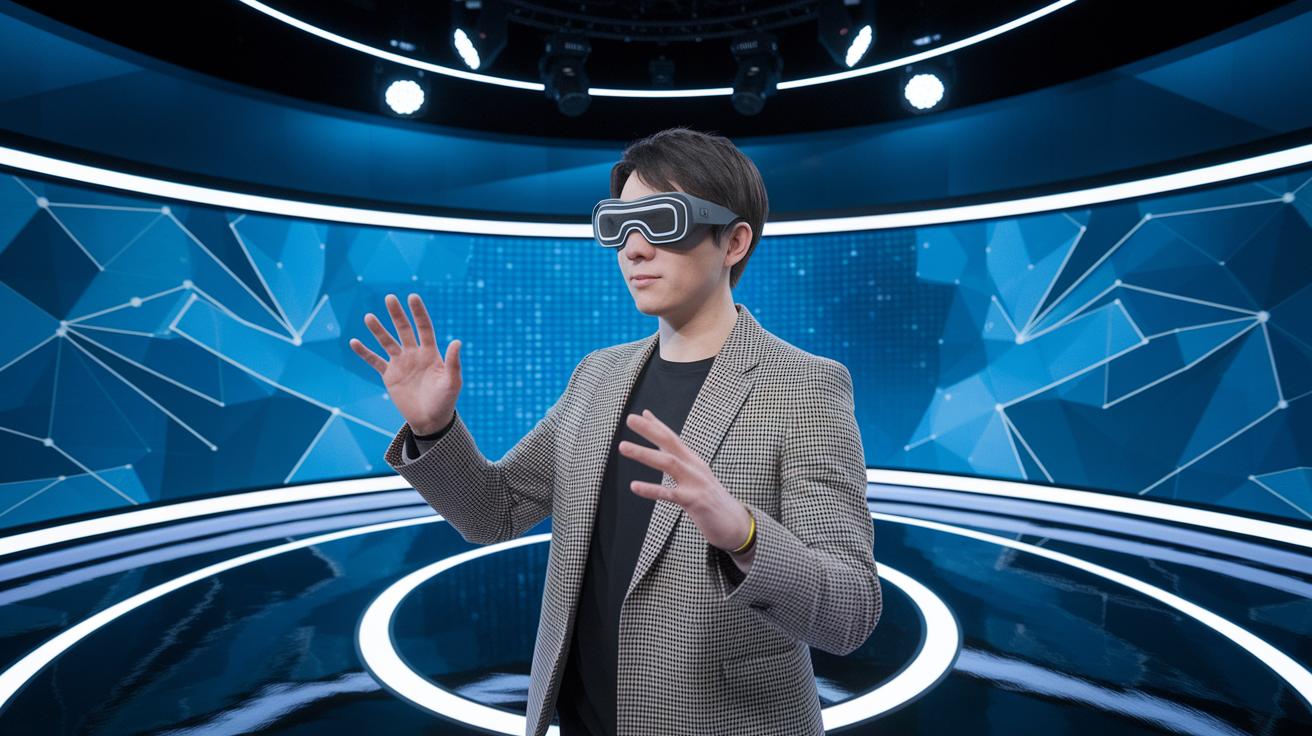
Digital content is on the brink of a whole new era. Imagine a world where smart technology crafts messages that feel like they were made just for you. It's like getting a note that perfectly captures what you're thinking. AI now takes your interests to heart and creates content that really clicks!
Content creation is getting its own cool makeover too. Think of it as mixing and matching different parts, like colorful building blocks, to form a new story each time. Ever felt that rush when you play with your favorite toy? That's the vibe, especially when you dive into AR (augmented reality for adding digital details to your world) and VR (virtual reality that brings a digital world right in front of you) experiences. They pull you into the action so deeply, you'll feel like you're really there. For a peek at how it works, check out the case study on immersive art and digital storytelling.
And there's more ahead. Sharing content is about to get a lot smarter. Omnichannel marketing is evolving with real-time tweaks and data insights that help shape stories on the fly. Picture adjusting a tale as you see how your friends and viewers react across all their devices. With fresh gadgets and new digital spaces popping up all the time, each interaction will feel lively, engaging, and totally in sync with what you need.
Final Words
In the action, this article explored digital content from its core formats to planning, distribution, and marketing elements. We walked through types like text, video, audio, and interactive pieces, then touched on strategy essentials and ready-to-use platforms. The blog also shared insights on future trends, sparking fresh ideas for innovative live and digital experiences. Enjoy your creative pursuits as you explore digital content that redefines interactive engagement and keeps you excited about what’s coming next!
FAQ
What is digital content and can you give an example?
Digital content is any form of information stored in a computer‐readable format. For example, blog posts, videos, and podcasts are all digital content that people can view, listen to, or read online.
What are common types of digital content?
Digital content comes in many forms. Common types include textual (articles or blog posts), visual (videos or images), and audio (podcasts or music), each serving unique roles in engaging audiences online.
How does digital content video work?
Digital content video uses moving images to tell a story or share ideas. Videos can educate, entertain, or explain a concept, and are a key tool for grabbing online attention quickly.
Who is a digital content pro or creator?
A digital content pro or creator is someone skilled at making online materials like articles, videos, and social posts. They combine creativity with technical know‐how to reach and engage audiences.
What is a digital content PDF?
A digital content PDF is a document saved as a Portable Document Format. It is used to share information like guides, ebooks, and manuals in a format that is easy to view and print.
What are some digital content ideas?
Digital content ideas are creative suggestions for what to share online. They might include step‐by‐step guides, behind‐the‐scenes looks, how‐to articles, or interactive posts that keep readers coming back.
How is digital content used in education and jobs?
In education, digital content takes the form of e‐learning modules, interactive textbooks, and online courses. In the workplace, jobs in digital content involve creating and managing online material to inform and connect with audiences.
Should I say “digital content” or “digital contents”?
The term “digital content” is generally used as a singular, collective phrase referring to various online materials, while “contents” might refer to individual items within a larger package.
How do you create digital content?
Creating digital content begins with planning ideas, understanding your audience, choosing the right format, and using digital tools to produce engaging articles, videos, or interactive media that connect with people.