
Ever thought about how your online time could feel as thrilling as a live concert? Imagine a digital hub that links your favorite websites, apps, social media, and email all in one place.
This smart platform is like a backstage pass, it takes every digital moment and makes it pop, turning simple clicks into an exciting show. It brings together technology and creativity so that every visit feels like an unforgettable live performance.
So, if you’re looking for a way to boost your online experience and really connect with digital content, this tool might just be your perfect ticket to a dynamic, fun adventure.
digital experience platform: Elevate User Engagement
A digital experience platform, or DXP, is like a smart hub that helps companies connect with people across websites, mobile apps, social media, email, and even in-store screens. It grew from older tools like content management systems, which were mainly used for simple websites. Now it handles more than ever, making sure every digital interaction feels seamless.
At its core, a DXP is the backstage pass to crafting personalized journeys for every user. It links all the digital spots, whether you're browsing a website, checking an app, or scrolling through social posts, into a single, smooth adventure. Ever notice how a great concert feels? That’s the vibe this platform creates, pulling together different digital moments into one natural flow.
This platform adapts to what you and others do online, handling lots of content types with ease. It lets teams send out messages that really click by using info from every interaction. In short, a DXP isn’t just a tool for managing content; it turns everyday digital encounters into lively experiences that boost both customer smiles and business growth.
Digital Experience Platform Features and Architecture

Modern digital experience platforms blend smart tech with a flexible design to deliver a seamless online journey. They stand on a solid data base, easily linking up with outside systems. Think of them as a digital mixing board where creativity and technology meet to create that perfect vibe on any device.
These platforms act as a central command center to manage and serve content that always feels fresh and tailored. They use a design that breaks apart the back-end from the front-end, giving creative teams the freedom to innovate without messing up the core system.
- Centralized content management that works across all channels
- AI-driven personalization that understands your needs and powers semantic search
- API-first, headless delivery that lets the front end shine on its own
- Customer journey orchestration that connects every touchpoint
- Structured content paired with smart governance to keep things in check
- Real-time insights powered by AI to help you stay on track
This approach lets companies make quick updates so that every user interaction stays smooth and consistent. By separating the parts that run behind the scenes from what you see, these platforms support headless setups. This means creative teams can work freely while the core system keeps running without a hitch.
Because the system is built like a set of plug-and-play modules, each part can be updated on its own. This not only speeds up the process of putting together new digital experiences but also keeps everything up-to-date with the latest trends. Imagine a well-tuned band where every instrument, from the data storage to the AI analytics, plays in perfect harmony. The result is a platform that meets today’s digital needs and is ready to grow with tomorrow’s opportunities.
Benefits and Use Cases of Digital Experience Platforms
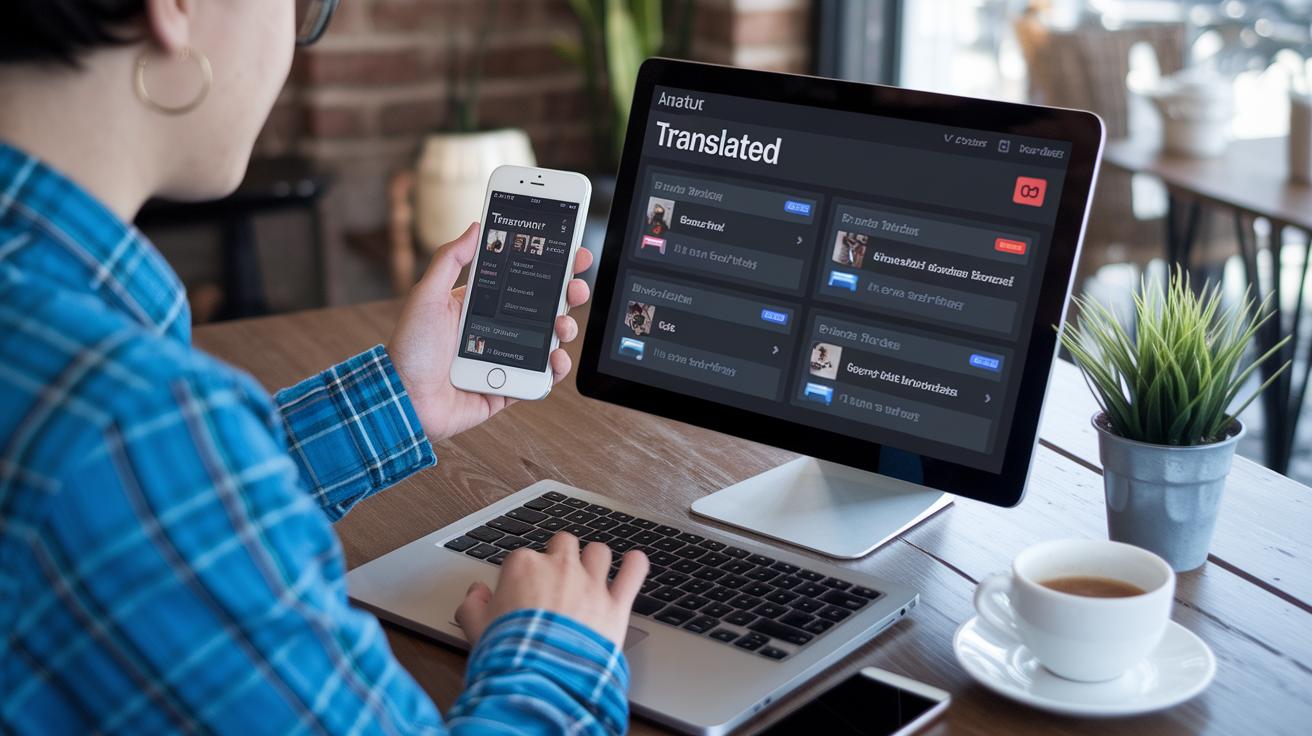
Digital experience platforms make handling digital content easy. They manage everything from translating text for different regions to adjusting designs for various brands. Imagine your website updating on the fly with local details, like seeing “Your favorite online store now speaks your language.” It's all about keeping your digital assets neat and ready for action.
These platforms also shine when it comes to personalizing your digital interactions. Whether it's a quick alert on your phone or a message on an in-store screen, they tailor each experience to the user. This kind of attention can really spark customer excitement and build lasting loyalty. Think about getting product tips that match what you've been browsing, it feels like the system really gets you.
In the real world, digital experience platforms prove their worth in many ways. Online stores can use them to serve up smart product suggestions and local deals that change based on customer actions, leading to better sales. Business sites find them helpful too, turning lots of info into one easy-to-navigate space for partners and clients. Even internal company networks get a boost, as these platforms bring together important communications and resources, making work smoother and more connected. In short, they create a seamless digital journey across websites, mobile apps, and social media, boosting engagement, keeping customers coming back, and driving revenue.
Strategies for DXP Integration and Implementation
Integration Approaches
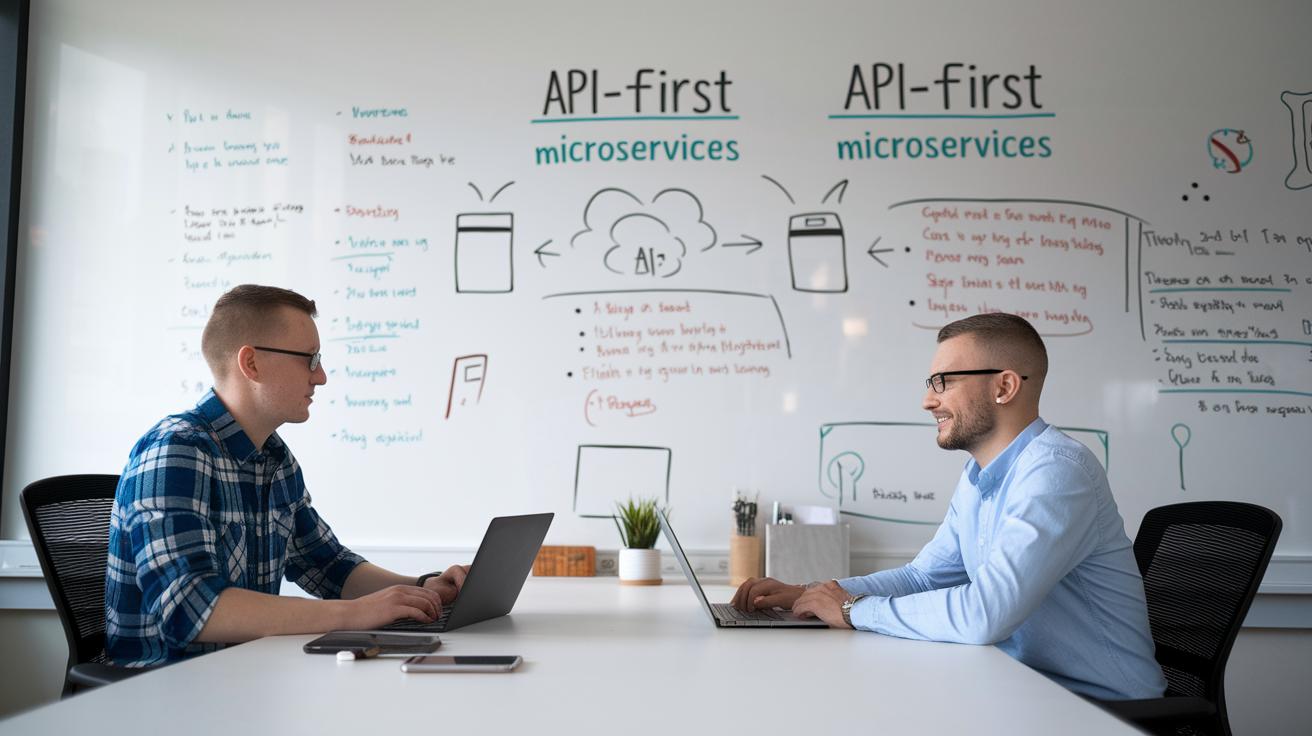
Using an API-first approach is like linking your favorite devices with just one simple cable. It brings together different systems with hardly any fuss. With API-first, you can add top-notch tools without redoing the basics, kind of like adding a fresh instrument to a live band, where each part plays its own tune while keeping the groove.
Next up, microservices patterns let each part of your system work on its own while still chatting with each other. It’s similar to swapping out a guitar pick right before that epic solo. This setup lets your team experiment with new features without messing with what’s already there. In truth, each new digital tool adds a burst of energy to your overall performance.
Managed PaaS and SaaS models add another layer of ease. These cloud-based options cut down on complicated coding and let you test things out quickly, almost like a quick soundcheck before the big performance. They give you a chance to play around with demos and decide which tools fit your digital stage best.
Implementation Roadmap
- Assess business requirements
- Map digital touchpoints
- Select modules
- Pilot and iterate
- Establish governance
Following this five-step plan is like setting up your ultimate playlist. First, figure out what your business needs, this is your starting beat. Then, map out where your audience connects with your digital world, like finding the perfect spot for stage lights. Next, choose the right parts that play well together. After that, run a pilot project to smooth out any rough edges, much like a soundcheck before the show. Finally, set up clear rules that keep everything humming along, just like backstage guidelines that ensure every performance goes off without a hitch.
Real-Time Analytics and Optimization with DXPs

Digital experience platforms are like backstage crews that keep an eye on every step of your online journey. They come loaded with smart AI tools that track how visitors move, spot any slow patches, and turn everyday feedback into solid insights. For instance, imagine 500 user reviews creating 275 neat feature tags, turning casual comments into actionable tips. It’s a bit like finding hidden clues that help shape the digital experience.
These platforms are all about fast, flexible adjustments. They separate the content from how it looks so teams can tweak things in a snap. Think of it as changing the backdrop during a live show: if one image or message isn’t hitting the mark, you can swap it out easily without starting the whole performance over.
Using real-time numbers, DXPs let you fine-tune everything from search results to content placements while the show goes on. It’s a dynamic setup that adapts to what users are doing right then. Marketers and creators get the freedom to experiment and optimize, ensuring the digital stage stays engaging and fresh.
Vendor Comparison and Emerging Market Trends in DXPs
Cloud-based DXPs are shaking up how companies deliver digital experiences, and they're getting more flexible every day. Recent studies show that more companies are moving to a setup where different modules work together. In fact, experts predict that by 2026, nearly 70% of businesses will use these mix-and-match systems, up from about 50% in 2023. This trend means teams can now pick and choose the best tools for their needs, resulting in smoother integrations and friendlier user interfaces. For instance, one vendor has caught many eyes by blending a flexible, mix-and-match approach with smart AI features and pricing that fits businesses wanting both growth and a personal touch.
When you compare the top players, Optimizely has taken the lead early in 2025 with its smart, modular setup and budget-friendly pricing. Adobe, known for a full suite of integrated tools, struggles a bit with its complex products and higher costs, which can slow things down. On the other hand, OpenText offers a dependable and adaptable platform for organizations seeking a solid option. This side-by-side look shows how the market is evolving and how each vendor is tuning up their services to meet the growing need for dynamic digital customer experiences.
| Vendor | Composability | AI Capabilities | Pricing Model |
|---|---|---|---|
| Optimizely | Modular and highly configurable | Strong AI orchestration | Flexible, cost-effective |
| Adobe | Integrated but monolithic | Effective yet complex implementations | Higher cost, less flexible |
| OpenText | Adaptable composable solutions | Reliable, with evolving AI features | Competitive and scalable |
This table highlights the growing trend in digital experience platforms to let you mix and match the best tools. As vendors continue to upgrade their systems, the digital landscape will only get more agile and user-friendly, making it easier for businesses to create truly engaging digital experiences.
Case Studies and Future Roadmap for Digital Experience Platforms

Imagine a platform that gives marketers simple visual tools while letting developers work with a flexible code-friendly back-end. This all-in-one solution uses smart AI features that help you quickly build dynamic digital experiences. Companies can easily tailor every digital touchpoint without getting bogged down by rigid processes.
Next, the future looks pretty exciting in digital strategies. There’s a buzz that by 2027, almost half of all organizations might struggle to create standout digital experiences without AI to guide content coordination. This trend shows how digital experience platforms are leveling up from basic website managers to smart, data-driven hubs that unify every part of online engagement. As more businesses go digital, having a platform that juggles customer interactions and speeds up content creation becomes a real game-changer.
Looking forward, we see these platforms shedding old, clunky systems for sleek, holistic solutions. These new tools aren’t just about making daily tasks easier, they’re about transforming every online interaction into a rich, engaging experience that scales as your business grows.
Final Words
In the action, we covered the evolution of the digital experience platform from simple content management to advanced, integrated, and interactive systems. We explored key features like centralized content management, AI-powered analytics, and headless delivery, all aimed at creating engaging, consistent experiences.
We shared real-world use cases and practical steps for integration. The digital experience platform has reshaped how content comes alive, setting the stage for more exciting digital moments ahead. Enjoy the ride!
FAQ
What is an example of a digital experience platform (DXP)?
The digital experience platform, like Adobe or Contentful, serves as an integrated system managing websites, mobile apps, and social feeds to deliver personalized, seamless interactions across numerous digital channels.
What does a digital experience platform (DXP) do?
The digital experience platform manages and delivers personalized content across channels, ensuring customers enjoy a unified, engaging interaction whether on a web page, mobile app, or social media.
How do digital experience platforms differ from CRM systems?
The digital experience platform concentrates on integrating, personalizing, and delivering content across digital touchpoints, while CRM systems primarily focus on tracking customer data and sales interactions.
What are experiential platforms and digital experiences?
Experiential platforms create interactive, immersive environments for users, while digital experiences encompass every digital touchpoint that shapes how customers interact with online or mobile content.
What reviews and rankings exist for digital experience platforms?
Digital experience platform reviews often highlight options like Optimizely, Adobe, and Bloomreach, providing insights into features, usability, and pricing so businesses can make informed decisions.
What solutions do top digital experience platform companies offer?
Top digital experience platform companies such as Salesforce and Adobe provide integrated solutions that deliver omnichannel content management, real-time analytics, and personalization to enhance customer engagement.
How does Gartner influence digital experience platform trends?
Gartner shapes digital experience platform trends by evaluating market shifts and highlighting the growing adoption of cloud-based, composable systems that unify and optimize digital customer interactions.