
Ever feel like news nowadays is stuck in the past, like it's printed on paper? Digital storytelling mixes videos, photos, and sounds with good old-fashioned reporting to bring stories to life. Imagine reading a tale that wraps you up like the buzz of a live concert.
This new twist in news lets you see events as they happen, almost like being right there on the scene. It makes journalism feel fresh and personal, kind of like sharing a fun secret with a friend. And it brings reporters and readers closer together, sparking a lively conversation that everyone can join.
Digital Storytelling’s Role in Enhancing Journalistic Practice

Digital storytelling is changing the way news gets told. It mixes classic storytelling with cool digital tools to make news come alive. You might see photos, videos, sounds, and interactive bits that pull you right in. For example, a reporter once shared, "Before joining a newsroom, I captured community life with nothing but a borrowed camera and pure determination." That simple twist turns plain reporting into a story you can really feel.
New tech has moved journalism from static pages to live, interactive shows. Reporters can update their stories as events happen and add live numbers or scenes that draw you into the moment. Sometimes they layer a friendly voice over a video clip, or match quick pictures with short text, letting you explore the details at your own pace.
Online news built with these digital tools makes a stronger connection between reporters and readers. It invites you to look for clues in pictures and listen closely to sounds, giving traditional news an energetic, multimedia lift. Journalists using this approach not only share facts but also bring you right into the experience.
In the end, digital storytelling is reshaping how news is shared. By using easy-to-access digital tools, reporters can try out creative formats that pull you directly into the story. This not only boosts media smarts but also makes you a more active participant in understanding what’s happening.
Core Digital Storytelling Techniques for Online News Narratives

Digital storytelling mixes classic storytelling with digital magic. It’s like merging trusted old-style reporting with fresh, eye-catching visuals to create an experience that grabs you from the first sentence. If you want to dive into the basics, check out the guide on digital storytelling here: digital storytelling. A great story hooks you from the start, and using things like voiceovers with photos or video clips sets the scene in just a couple of minutes.
Audio and Video Narratives
Audio and video are fantastic tools for setting the mood. Imagine a scene where a reporter describes sudden weather changes while video clips show nature’s drama unfolding right before your eyes. What a way to make you feel every pulse of the moment! A voiceover might say, "It was a moment filled with tension yet hope, as the storm gave way to clear, bright skies," syncing perfectly with the live footage.
Interactive Elements
Interactivity turns you from a passive reader into an active part of the story. Think of clickable polls, quizzes, or even decision trees where you get to choose what happens next. Ever click on a poll asking, "What do you think will happen next?" during a breaking news story? This approach creates a shared adventure, making every reader feel like a contributor to the event.
Data Visualization
Turning tough numbers into colorful, engaging visuals is key. Imagine a messy heap of data transformed into a bright, interactive chart that lights up with trends as you hover over it. Infographics, charts, and live data streams break down complicated details into bite-sized, friendly pieces that pull you right into the story.
Social Media Integration
Social media isn’t just for fun posts, it’s a bridge between the journalist’s insight and real-time on-the-ground voices. Picture a news article showing live updates and social clips from people at the scene. These real-time snippets bring authenticity and make the story feel immediate and relatable.
Mobile-First Story Design
In today’s world, a lot of us catch up on news right from our phones. That’s why mobile-first design is so crucial. Imagine scrolling on your mobile and watching every part of the story adjust perfectly to your screen. This smooth, touch-friendly experience makes sure you can stay connected to the news wherever you are.
Illustrative Case Studies in Digital Journalism Storytelling
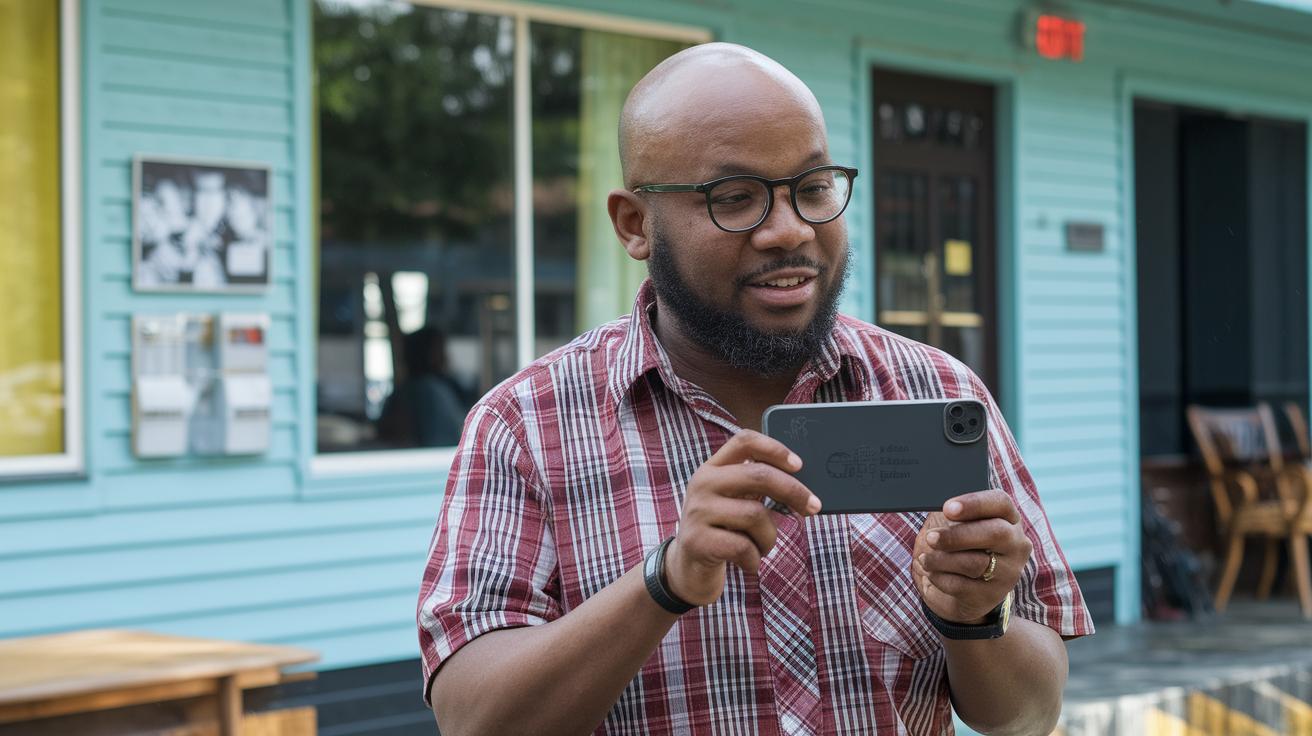
Take a look at projects like the Peacehaven Community School Digital Storytelling Project and Moving Stories – Digital Storytelling with Migrant Children. They show how newsrooms can bring community voices to life using digital media. Everyday storytellers had the chance to share their true-life moments with photos and genuine voice recordings. One storyteller even remarked, "I never expected that a few images and my own words could turn into a piece of history." It’s a mix of interactive media elements that makes the news feel personal and real.
And then there are outreach projects that go even further. Initiatives like The Booth Partnership: Uncovering the Muse and Hidden Voices combine visual storytelling with interactive experiences, taking journalism to a fresh, engaging level. They remind us that digital storytelling isn’t just about showing facts, it’s about creating immersive stories that pull you right into the experience.
| Project Name | Year | Media Type |
|---|---|---|
| Peacehaven Community School Digital Storytelling Project | 2016–17 | Still Images and Voiceover |
| Moving Stories – Digital Storytelling with Migrant Children | 2015–17 | Interactive Multimedia Narratives |
| The Booth Partnership: Uncovering the Muse | 2017 | Professional Outreach Narrative Project |
| Hidden Voices | 2016 | Community-Driven Storytelling with Mixed Media |
Integrating Interactive News Experiences in Your Newsroom

Newsrooms are shaking up the way news gets told by adding interactive touches that draw you right into the story. Imagine real-time data, quick polls you can click on, and lively graphics that make the news feel alive. It's like watching your favorite concert online, you don't just listen, you experience it.
When news comes to life with clickable timelines, friendly voiceovers, and bright data visuals, it feels personal and engaging. Readers can watch the story unfold and even share their own views along the way. And with these tools, even tough topics become easier to understand, giving everyone a chance to feel connected to the news.
To start using these cool, interactive elements every day, try these steps:
- Look at what skills you already have in the newsroom and see where there might be gaps.
- Spend on multimedia tools that help create content, like tools for building timelines or tracking charts.
- Offer training in making audio, video, and visual content so everyone gets on board.
- Work on a few pilot stories with teams from different departments.
- Roll out your interactive features slowly with testing and feedback from your audience.
With these ideas, newsrooms can turn every headline into an exciting event, giving you a front-row seat to stories that come alive.
Addressing Challenges and Ethics in Digital Storytelling for Journalism

Digital storytelling in journalism throws plenty of challenges at news teams striving to deliver solid, reliable work. One big hurdle is making sure everyone on staff is up to speed with the digital skills they need. Without that know-how, reporters can struggle to blend in captivating multimedia elements. Plus, not everyone has equal access to digital tools, which can lead to a mixed bag of interactive content.
But it's not just about tech. There are real ethical issues at play, like sorting through user content and making sure every source gets proper credit. When a story misplaces a quote or skips thorough checking, it can chip away at the trust readers place in the news. Clear, easy-to-follow ethical rules help teams handle narrative data journalism responsibly.
That's why regular training sessions, refreshed protocols, and careful review processes are so important. By focusing on both building digital skills and keeping ethics front and center, newsrooms can push the envelope in digital storytelling while still protecting the integrity and trust of their audience.
Future Trends: Immersive Reporting Innovation in Digital Journalism

New technology is totally changing how we experience the news. With tools like virtual and augmented reality storytelling, you can actually feel like you’re part of the story. It’s like reading a report while standing on the scene. AI works behind the scenes to pick stories that match your interests, making every report feel like it’s made just for you. And with interactive reporting, you even get to choose what happens next, making the connection feel more real.
Imagine a 360° video with surround sound that makes you feel like you're at a live event. It brings news to life in a way traditional reports just can’t match. This fresh style of reporting is turning the way we see news on our phones and VR headsets. As these new tools grow and improve, digital storytelling is only going to get more engaging and interactive. In truth, this progress not only makes news more vibrant but also sets a whole new standard for creative storytelling.
Final Words
In the action, the post takes us through digital storytelling in journalism, from mixing images, audio, and interactive clips to sharing real-world case studies that highlight creative reporting techniques.
It paints a clear picture of how digital storytelling revamps newsrooms with hands-on training and smart tech, lighting up live events and daily reporting. It reminds us each step brings us closer to experiencing next-generation entertainment and community-driven, engaging content. Enjoy the new wave of immersive storytelling!
FAQ
What is digital storytelling in journalism, and why is it important?
The digital storytelling in journalism combines images, videos, audio, and text to create engaging news pieces that capture attention. It builds audience connection and is often detailed in PDF guides showcasing examples for newsrooms.
What types of Master’s programs are available in journalism and media?
The journalism and media field offers programs in traditional and broadcast journalism, media production, and public policy. Some programs provide accelerated one-year options geared toward real-world skill building.
What frameworks guide digital storytelling, including the 7 elements, 5 C’s, and 4 P’s?
The digital storytelling frameworks break down stories into essential components. They outline key elements, emphasize clear communication, and ensure a structured narrative path for engaging digital content.