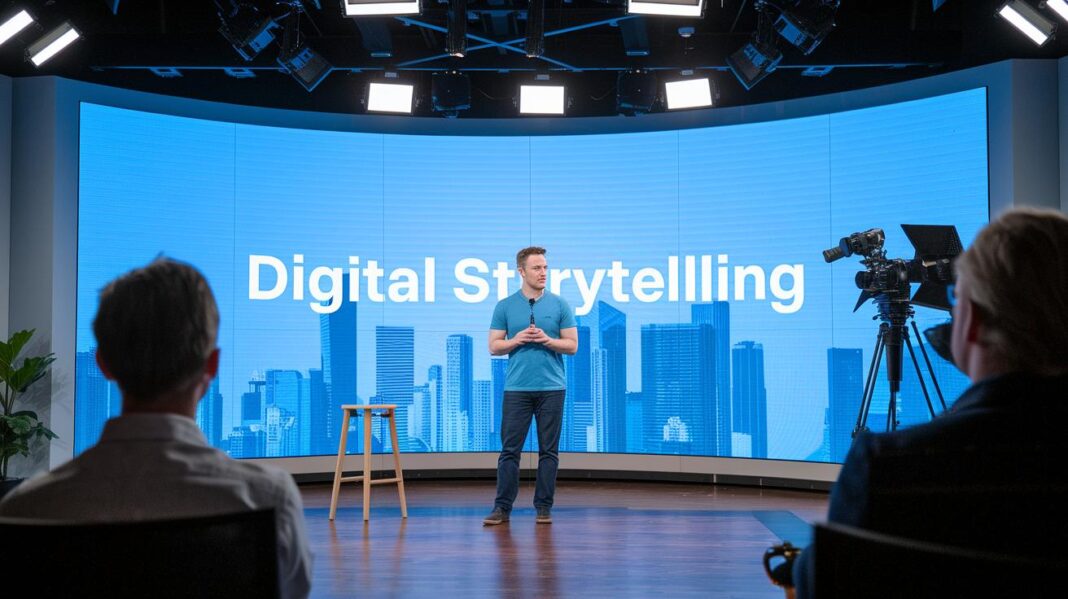
Have you ever wondered why some brands grab your attention like a live concert while others just fade away? Digital storytelling turns every word into a visual treat, sparking moments that feel like your favorite song coming on unexpectedly. By using cool tricks such as scroll-based reveals (that is, letting new bits appear as you scroll) paired with clear, bold design, you connect with your audience right away.
In this guide, I'll walk you through how to set the stage, define real goals, and create that buzz around your brand. Soon, your story won't just be seen, it’ll be remembered like an unforgettable live moment.
Essential Framework for Interactive Digital Narratives

Interactive digital narratives let your brand’s story burst into life in a really fun, dynamic way. They mix digital storytelling strategy with clever design to make every moment feel like an exciting live event. Using cool techniques like scrollytelling (that’s when your story unfolds as you scroll), high-resolution images, and a design that fits any screen, you can create experiences that grab attention instantly. Start with clear goals and know your audience well, it’s like setting the stage before a big show. For a little extra spark, check out some storyboarding tips here: storyboarding for digital storytelling.
Next, map out your audience’s journey with ideas like time-on-page, bounce rate, and click-through rates, these give you the clues to keep on improving your strategy. Embrace no-code platforms, which help you build cool tech without extra coding hassle, and plan ahead with a content calendar that spans weeks or even months. This method helps everyone, from designers to content creators to social media pros, work together smoothly right from the start.
And finally, mix in planned visuals with off-the-cuff, engaging surprises that keep viewers wanting more. Think of it like setting up your favorite playlist and then throwing in a surprise hit that makes the moment unforgettable. With these steps, you’re not just telling a story, you’re creating an immersive online adventure that pulls your audience in, one exciting moment at a time.
Applying Core Components in Practice

Building a strong brand identity is a lot like putting together your favorite outfit. Every detail from your fonts to your colors has to match and feel just right. Think of it as setting the stage for your story. For instance, a retail brand might use cool blues and crisp whites with a modern font to create an atmosphere of calm and clarity. It’s like a local coffee shop that uses hand-drawn logos and vintage colors to evoke community vibes, turning an everyday stop into a warm, unforgettable moment.
Using data to fine-tune your storytelling is key. Digital storytellers check simple numbers like how long someone reads a page or how often they click a link. If you notice readers love a behind-the-scenes look, that tells you to share more of those stories. It’s a bit like knowing your friend’s favorite snack and always having it ready. By breaking down your audience into small groups, you ensure every story feels personal and engaging.
Expanding your story across different platforms is where the magic really happens. By planning your campaign ahead, maybe six weeks or even six months, you can roll out your story seamlessly on social media, websites, and mobile. Each step of your campaign builds on the last, inviting your audience to dive in deeper and truly connect with your brand’s vibrant narrative.
Planning and Workflow in Digital Storytelling Strategy

Every digital story begins with solid planning that sets the stage for a smooth production. Teams might map out a six-month content plan or dive into an intense six-week schedule. Early on, designers, editors, and social media pros come together to blend creative visuals into the mix, while strategic review checkpoints, like quick pit stops, keep everyone on track as audience insights and storyboards shape the narrative.
You can fine-tune the process by clearly assigning roles and using regular digital tool check-ins to avoid any delays. Smart scheduling for creative reviews and progress evaluations, backed by modern project management tools, ramps up the planning without repeating the same old methods.
- Set clear goals and assign specific creative roles.
- Create a detailed content schedule with regular creative review stops.
- Collaborate early with design, editing, and social media teams.
- Pick digital tools that make tracking projects and managing content a breeze.
- Plan regular progress reviews and targeted training sessions.
Mixing well-defined roles with timely scheduling checkpoints injects fresh insights into digital storytelling. This approach keeps every step both tightly organized and bursting with creative energy.
Techniques for Interactive Digital Storytelling Strategy

Interactive digital storytelling techniques bring your story to life, inviting your audience to jump right in. Using cool tricks like scroll-based animations, layered sounds, and AR/VR features, you turn plain pages into a fun, interactive adventure. Every method adds its own special twist, making your story feel lively and easy to enjoy on any device. Plus, this way of sharing your tale not only grabs attention but also backs up your brand’s creative spirit.
Scrollytelling Techniques
Scroll-triggered animations slowly reveal your story as you move down the page. This technique guides you through each scene like unfolding chapters in a favorite book. It keeps things fresh and makes you curious about what comes next, turning a simple scroll into a mini, exciting journey.
Immersive Audio and Rich Media
Pairing immersive sounds with rich media like videos and interactive infographics deepens your story’s impact. Background tunes and adjustable sound cues set the mood as visuals shift on screen. This blend awakens your senses, transforming a standard view into a personal and lively experience.
AR/VR Story Extensions
Stepping into augmented and virtual reality opens the door to a multi-layered narrative. With clickable spots and interactive screens, much like those in everyday VR digital storytelling tools, viewers can explore at their own pace. This method turns a static story into an interactive, exploratory journey that keeps everyone engaged from start to finish.
Combine these techniques to spark a dynamic digital campaign. Play around with scrollytelling, rich audio, and AR/VR add-ons to boost your digital narrative and captivate your audience every step of the way.
Integrating Technology into Your Digital Storytelling Strategy

Tech has flipped the script on digital storytelling, letting you build immersive brand experiences without breaking the bank. With no-code and low-code platforms, you can create captivating stories without getting bogged down by heavy technical stuff. It’s like mixing a burst of creativity into your work from the very start.
A solid design system can really change the game. Imagine cutting down infographic work from hours to just minutes, pretty amazing, right? With innovative virtual creativity, your team can play around with fresh visual tricks and interactive elements, making every digital piece feel as dynamic as the crowd you’re trying to reach.
Choosing the right digital experience platform is key. Platforms like the one at https://thezeff.com?p=416 make sure your narrative looks awesome on any device. They bring responsive layouts, smooth content management, and built-in analytics together, so your story stays fresh and easy to follow across every channel.
And training? It makes a world of difference. When your team feels confident with their digital tools, the learning curve gets a whole lot shorter and workflows become a breeze. This means you can put more energy into pushing creative limits and taking your brand’s digital narrative to the next level.
Measuring Success of Your Digital Storytelling Strategy

Boosting your brand with digital storytelling feels a lot like setting up for a live show. When you check numbers like how long visitors stay, how often they leave quickly, click on links, or take action, it's like feeling the pulse of your crowd. These signals tell you exactly how people interact with your content. And by watching them in real time, you can quickly adjust your interactive elements, just like you might tweak a set during a concert if the mood shifts.
Reporting dashboards gather all this info and help guide simple tests that show what keeps people engaged. If one part of your story holds attention longer, it hints that using a similar approach might work wonders elsewhere in your narrative.
| Metric | Definition | Benchmark |
|---|---|---|
| Time-on-Page | How long a visitor stays on a page | 2-3 minutes |
| Bounce Rate | Percentage of visitors who leave after a quick look | Below 40% |
| Click-Through Rate | How often viewers click embedded links | Above 5% |
| Conversion Rate | Percentage of visitors who complete a desired action | Above 2% |
Making small updates based on these insights turns your storytelling into a dynamic, ever-evolving experience. By looking closely at how users move through your content, you can spot the moments when interest starts to fade and learn exactly what excites them. Regular tweaks to your conversion path create a smooth, inviting journey for everyone. Seeing real-time engagement is like adjusting the tempo of a live performance right when the beat hits, keeping everything fresh and interactive. These on-the-spot changes boost both viewer retention and make it easier for them to take the next step.
Case Studies in Digital Storytelling Strategy

A clever digital narrative changed a retail brand’s online vibe. It boosted the time visitors spent on the page by 40% using cool scroll effects that revealed hidden layers of the brand’s identity. Imagine scrolling through a story that unfolds piece by piece, each section pulling you in with memorable details and engaging visuals. The campaign mixed sharp images, fun interactive elements, and short, friendly text that made people pause and take in the message. When the narrative meshes naturally with the page flow, visitors just want to explore every part of the story.
Then there’s an educational institution that freshened up its digital content with a timeline bursting with multimedia. They combined vintage photos, simple video clips, and clear checkpoints to guide viewers along a visual journey. This step-by-step approach made learning feel more like an exciting tour than a regular lecture, boosting information retention by 25%. It showed that laying out facts visually can really help people connect with the material.
And finally, a nonprofit took digital storytelling to a new level with an augmented reality campaign. This innovative idea let users explore extra details about community projects through interactive hotspots. As a result, social shares doubled and overall engagement jumped by 30%. By inviting people to interact directly via their mobile devices, the nonprofit built a stronger, more personal connection with its audience. This case proves that smart digital storytelling can truly drive both awareness and action.
Future Trends in Digital Storytelling Strategy
Imagine walking into a live show where you feel every note and see every color. Today, new tools like AR, VR, and 3D sound are getting a lot of attention. Brands are using these cool ideas to tell their stories in fresh ways. And, thanks to AI, stories can now change based on what you like.
Social media is turning into a playground for creativity. Think about posts you can shop from, videos that disappear fast, or live chats that feel like real conversations. Marketers are trying out new ideas to grab your attention and spark your curiosity.
Data in real-time now helps storytellers change their story as you watch. Companies are planning every step of your digital journey to make sure everything feels just right. They are keeping an eye on new trends and tools to build stories that feel lively and fun. In short, storytelling is no longer something you just watch, it's something you live, with every click keeping in tune with your energy.
Final Words
In the action, this post walked you through building interactive digital narratives, from planning visual content and mapping user journeys to making the most of rich media. We shared steps for creating content that speaks to audiences in a direct and engaging way.
Combining practical examples with clear audience insights helps form a winning digital storytelling strategy. Embrace these ideas and keep sharing outstanding experiences. Enjoy the creative ride and let your work speak for itself.
FAQ
What is a digital storytelling strategy template?
A digital storytelling strategy template provides a structured blueprint that outlines narrative elements, visual plans, and interactive features to craft engaging online stories, helping creators map out content and reach their audience.
What is a digital storytelling strategy example?
A digital storytelling strategy example shows a clear plan where narrative structure, audience insights, and multimedia are combined to create an interactive experience, guiding content creation from planning to execution.
What is a digital storytelling strategy PDF?
A digital storytelling strategy PDF is a downloadable document that details planning frameworks, visual guidelines, and distribution tips, making it easier for users to follow step-by-step methods for engaging storytelling.
What are digital storytelling strategies and examples for students?
Digital storytelling strategies for students blend creative narrative planning with multimedia projects, and examples might include interactive timelines or educational videos that enhance learning and boost classroom engagement.
What is a digital storytelling strategy for adults?
A digital storytelling strategy for adults involves crafting immersive narratives using clear objectives and interactive elements, which help create compelling digital experiences that resonate with mature audiences.
What are digital storytelling tools?
Digital storytelling tools refer to software and platforms that aid in creating, editing, and sharing interactive content, allowing storytellers to integrate visuals, audio, and text into cohesive online narratives.
What are the 7 elements of digital storytelling?
The 7 elements of digital storytelling include point of view, dramatic question, emotional content, the unique voice, compelling visuals, sound or music, and the integration of technology to engage viewers.
What are the 5 C’s of storytelling?
The 5 C’s of storytelling are character, conflict, context, creativity, and climax, which together build a narrative that is clear, engaging, and memorable for the audience.
What is the digital storytelling method?
The digital storytelling method uses a blend of interactive media and narrative structure, combining visuals, audio, and text to involve the audience actively in the storytelling process.
What are the 5 P’s of storytelling?
The 5 P’s of storytelling—purpose, planning, production, presentation, and promotion—guide creators in developing and sharing their narratives, ensuring each step enhances audience engagement and message clarity.